
Republican efforts to defeat Democratic opponents by labeling them as communists or socialists are proving increasingly ineffective, according to a new analysis published by The Federalist, which points to shifting public attitudes toward policies traditionally associated with Marxist ideology.
The assessment comes as New York City mayoral candidate Zohran Mamdani has proposed implementing free bus service, city-run grocery stores, and other social programs funded by increased taxation of wealthy residents. Republicans had hoped to use Mamdani’s platform as a cudgel against Democrats more broadly, but polling and public reactions suggest that strategy may be backfiring.
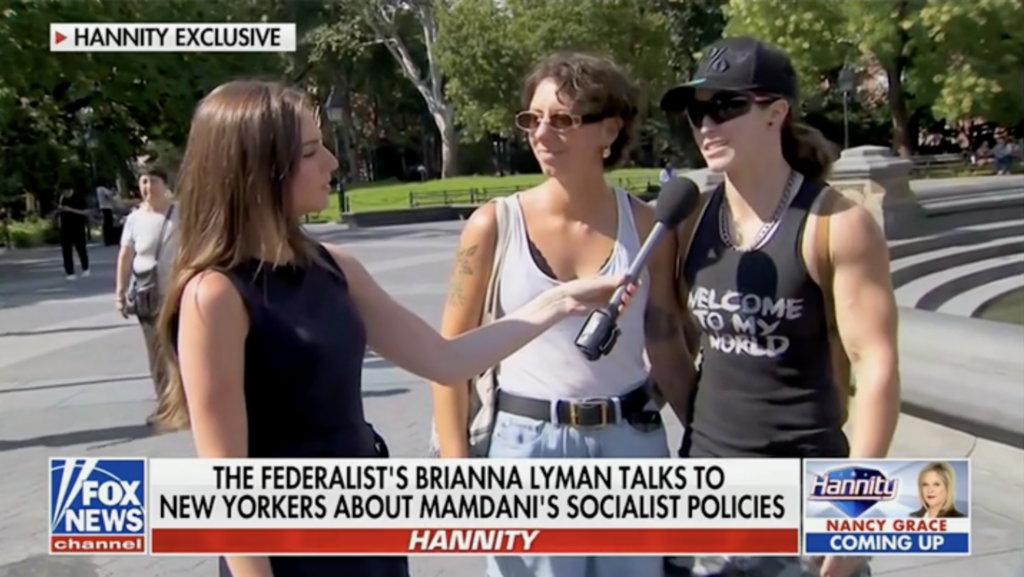
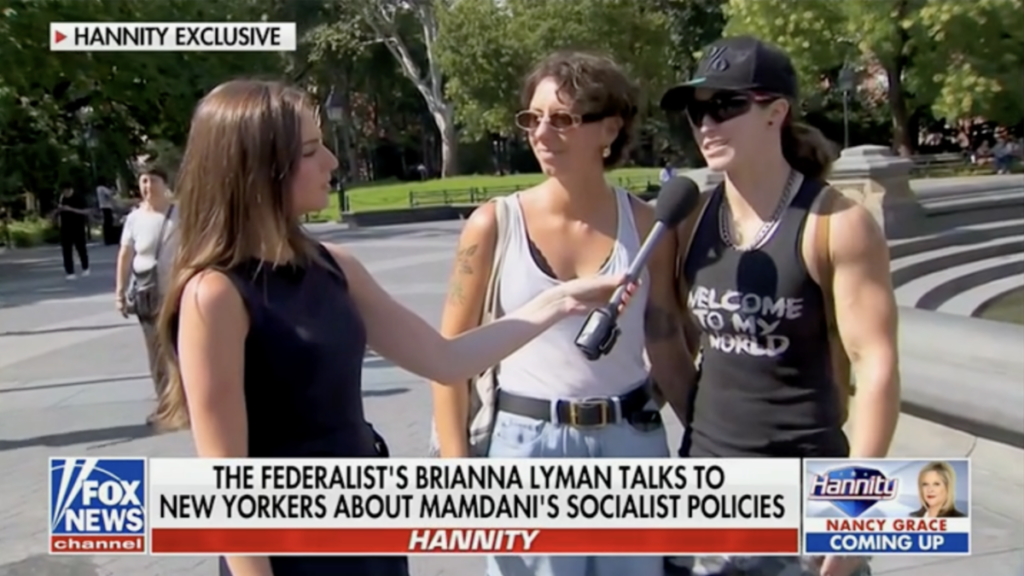
According to The Federalist’s report, street interviews conducted in Manhattan about Mamdani’s proposals revealed that many residents were not troubled by the economic philosophy behind them — even when directly informed it originated with Karl Marx. “Commune means community. It’s for the people,” one woman told the outlet’s correspondent.
The findings align with recent polling data. A CNN poll conducted by SSRS found that roughly one-third of Democrats now identify as socialists, suggesting the label has lost much of its stigma among a significant portion of the electorate.
Historical Context and Changing Perceptions
The report notes that Marxism and communism once carried severe negative connotations in American political discourse, given the tens of millions of deaths attributed to communist regimes and the widespread poverty, starvation, and political persecution that characterized such governments.
However, according to the analysis, radical economic ideas have been successfully “repackaged” by the political left as “equity” and “equality,” with policies framed as being “for the people” rather than as government confiscation and redistribution.
The Federalist points to former President Barack Obama’s 2008 comments as an early example of this rhetorical shift. Obama defended higher taxes on wealthy Americans by saying, “I think when you spread the wealth around, it’s good for everybody” — framing wealth redistribution as opportunity-creation rather than forced confiscation.
Other Democrats have employed the concept of “paying your fair share” to justify progressive taxation and redistribution policies, the report notes, shifting the narrative from class conflict to moral obligation.

Republican Strategy Under Scrutiny
Politico reported last summer that “Republicans are racing to make Zohran Mamdani the face of the Democratic Party,” planning to use his proposals for tax hikes, rent freezes, and government-run grocery stores as their “attack line against ‘radical socialist’ Democrats.”
After House Minority Leader Hakeem Jeffries congratulated Mamdani on winning his primary last June, the National Republican Congressional Committee posted on social media: “Every single Democrat now owns Mamdani’s radical socialist agenda to defund police, abolish prisons & stop ICE from deporting criminals.”
But The Federalist’s analysis suggests this approach misreads contemporary voter attitudes. “Republicans wrongly assumed Mamdani’s agenda was so obviously radical that merely attaching other Democrats to him would amount to political suicide,” the outlet reported.
According to Politico’s earlier reporting, “Republicans have repeatedly sought to elevate progressive New Yorkers to represent the entire party, to mixed success in past elections.” The Federalist assessment goes further, arguing that “what was once ‘mixed success’ is increasingly no success.”
Growing Acceptance of Socialist Identity
The report emphasizes that for a growing number of voters, being called a socialist is “not an accusation to be ashamed of” but rather “perfectly acceptable.”
The Federalist cites commentator Victor Davis Hanson, who recently wrote that the lines are increasingly blurred between “Democrats” and “communists.” Hanson argued that “the more the ossified Democratic Party claims that its growing cadre of socialist renegades are not really socialists, the more they act like — and even appear comfortable being called — communists.”
Hanson pointed to Democrats’ “open hatred of capitalism,” along with proposals to confiscate private property, abolish prisons and police, and eliminate border enforcement as evidence of increasingly radical policy positions.
According to The Federalist’s analysis, these policies are becoming more extreme while voters appear less repulsed by such radicalism — creating a dilemma for Republicans who have relied on the “communist” label as their primary counterargument.
The Path Forward
The report concludes that the success of this rhetorical repackaging stems from separating Marxist economic promises from their historical consequences. Rather than defending gulags and breadlines, according to the analysis, the political left has successfully promoted ideas like “free buses,” “equality,” and “free groceries” while avoiding discussion of how such systems have functioned in practice.
“Whether it’s Obama, Bernie Sanders, AOC, Mamdani, or whatever other communist wants to come out of the woodwork, the bottom line is they are selling communist promises without ever mentioning the destructive reality of those promises — and it’s working,” The Federalist concluded.
The outlet warns that “Republicans will not defeat leftists merely by calling them communists, and if they don’t learn that fast enough, we won’t have a country.”
Source: thefederalist.com — https://thefederalist.com/2026/08/04/republicans-calling-your-opponents-communists-isnt-enough/