

In an essay published by The Daily Wire, Kathleen O’Toole, associate vice president for K-12 education at Hillsdale College, argues that the ongoing cultural battle over school library content should not end with mere opposition to explicit or ideologically charged books. Instead, she urges parents and educators to actively seek out literature that cultivates a child’s moral and aesthetic imagination.
O’Toole’s piece, part of The Daily Wire’s “Upstream” culture section, reframes the debate over “banned books” by suggesting that the central question for adults should not be what children should avoid, but what they should be given.
Beyond Decoding Words
O’Toole pushes back on the assumption that all reading is inherently beneficial. She draws a distinction between the back of a cereal box and Homer’s “Odyssey,” arguing that reading is more than just decoding language. For children, she writes, it is how they encounter ideas, meet characters worth imitating, and begin to understand what it means to be human. The content, she insists, is not incidental—it is the point.
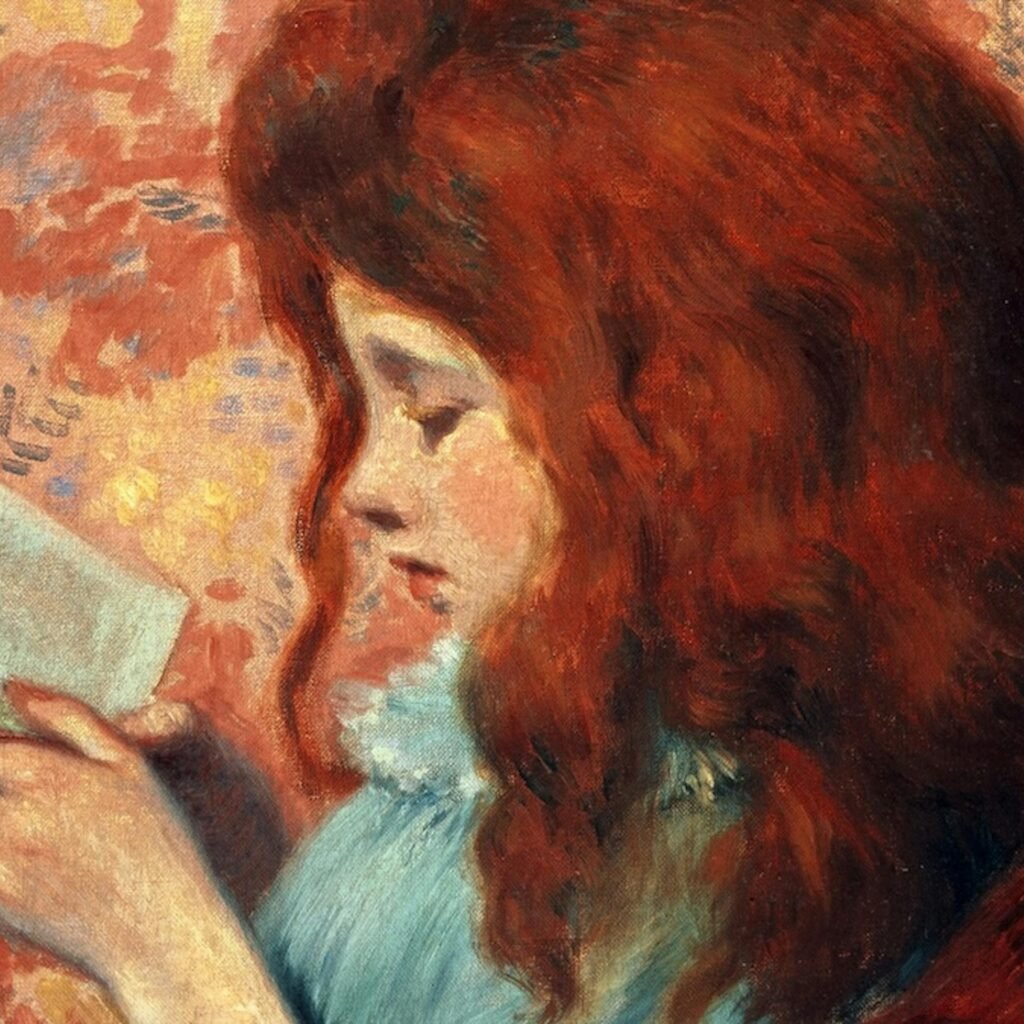
She applies this same standard to illustrations. While many popular picture books rely on bright, cartoonish, deliberately simple figures—she cites titles like “Captain Underpants,” “Tyrannosaurus Drip,” and “The Bad Guys” series as examples of a garish trend—she contrasts them with the work of illustrators like Peter Spier and Steven Kellogg. Spier’s nearly wordless “Circus,” she writes, features detailed watercolors that children can study for hours, while Kellogg’s retellings of “Jack and the Beanstalk” and “Pecos Bill” mix sweeping landscapes with subtle humor and heroism. These books, O’Toole argues, do not shout at children but invite them in, inspiring them to notice the world around them.
The Problem with Mediocrity
Beyond overtly ideological content, O’Toole identifies a more insidious category: books that are merely mediocre, empty, or crude. She points to Scholastic Book Fair flyers as a source of licensed characters and titles tied to YouTube channels, which she describes as products designed to line corporate pockets. She also singles out social-emotional learning books, such as Todd Parr’s “It’s Okay to Be Different,” for delivering simple messages with primitive illustrations and flat declarative sentences, offering children no story, conflict, or character growth.
O’Toole reserves particular criticism for the popular “Diary of a Wimpy Kid” series, whose protagonist, Greg Heffley, she says navigates middle school by complaining, manipulating friends, and rarely suffering consequences. The prose, she notes, is written below the level of its target readers, and the drawings are deliberately crude. Kids find the book relatable, she concedes—but relatable, she argues, by mimicking the very selfish traits parents hope to raise their children to overcome.

Still, O’Toole does not demand that every children’s book aspire to the artistic heights of the Louvre or the moral depth of “Crime and Punishment.” A great children’s book, she writes, is simply beautiful and draws young readers outside themselves toward a fuller understanding of the world and the people in it.
Resources for Parents and Teachers
To help families navigate the crowded market, O’Toole highlights several resources: Sarah Mackenzie’s “Read-Aloud Revival,” John Senior’s “The 1,000 Good Books List,” and Hillsdale College’s Core Virtues website, a directory of classic children’s books intended to form the moral imagination. She also mentions Hillsdale’s free online Classic Children’s Literature course, which studies works such as “The Complete Tales of Winnie-the-Pooh,” “The Wind in the Willows,” and “Treasure Island.”
As examples of what she considers excellent choices, O’Toole recommends Virginia Lee Burton’s “The Little House,” about a country cottage swallowed by urbanization, and Jill Barklem’s “Brambly Hedge” series, which follows a community of mice through the seasons. These books, she writes, captivate children with striking illustrations and quiet celebrations of community, home, and the rhythms of nature.

O’Toole closes with a simple test for parents: read the book yourself first. If you feel inspired and enjoy it, she suggests, your child likely will too.
The essay reflects broader debates in recent years over curriculum, library content, and the role of schools in shaping children’s values. While O’Toole’s argument is rooted in a conservative critique of progressive and corporate influences in children’s publishing, her emphasis on beauty, narrative depth, and moral formation is presented as a positive alternative to reactive book-banning efforts.
Kathleen O’Toole is the associate vice president for K-12 education at Hillsdale College and a high school teacher at Hillsdale Academy. Her article was published as part of The Daily Wire’s Upstream section, which focuses on culture and lifestyle commentary.
Source: www.dailywire.com — https://www.dailywire.com/news/four-tips-for-choosing-a-great-childrens-book