
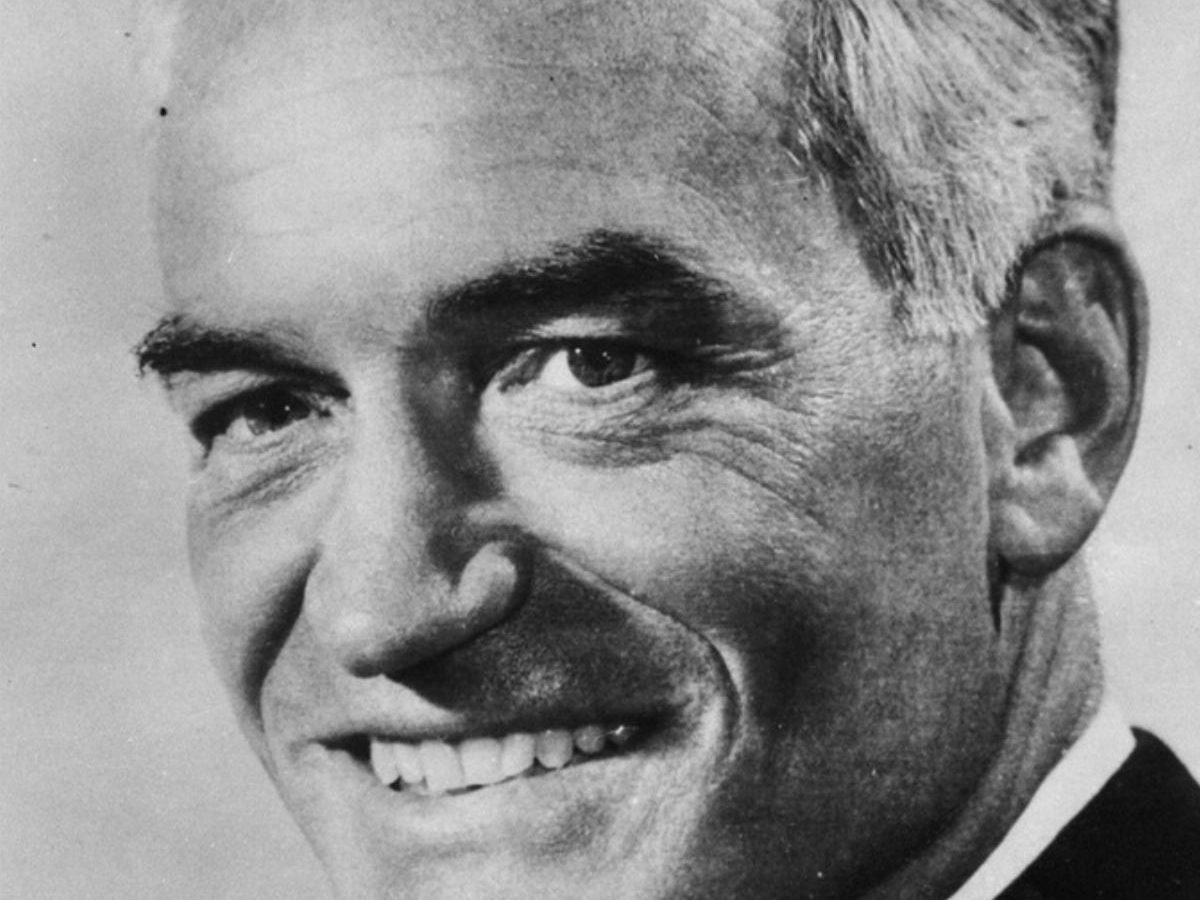
On election night in 1964, Silvio Canto Jr. and his father, Cuban refugees new to the U.S., watched as Lyndon Johnson demolished Barry Goldwater in a historic landslide. Johnson took 61% of the popular vote and 486 electoral votes—a margin so decisive it taught young Canto the meaning of the word ‘landslide.’ Yet within two years, that Democratic triumph would unravel, paving the way for a conservative resurgence that reshaped American politics.
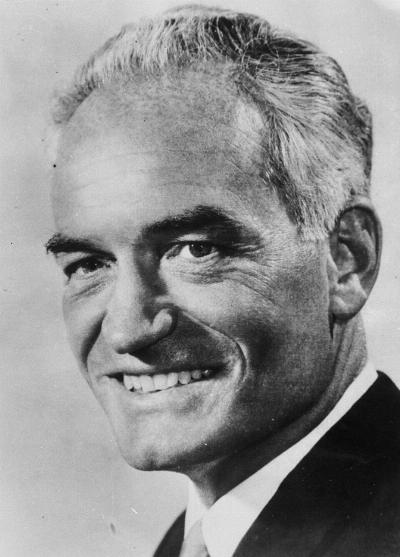
The Landslide That Hid the Cracks
Johnson’s campaign successfully painted Goldwater as a dangerous radical, hammering his hawkish Vietnam stance—including the Arizona senator’s infamous suggestion of using atomic weapons to defoliate the Ho Chi Minh Trail. But Canto’s father, an anti-communist who’d fled Castro’s regime, quietly admired Goldwater’s clarity. ‘He couldn’t vote, but he was a strong anti-communist—exactly what happens when you experience it in person rather than learn it from a college professor,’ Canto recalls.
The Pendulum Swings Fast
Vietnam, civil rights unrest, and youth protests soon fractured Johnson’s coalition. By 1966, Republicans gained 47 House seats in the midterms. By 1968, LBJ abandoned re-election, and Nixon won the White House—the first of seven GOP presidential victories in the next ten elections. Goldwater’s crushing loss, it turned out, had planted the seeds for Reagan’s revolution.
Canto’s memory—of his mother drinking café con leche the morning after Goldwater’s defeat, his father rushing to work—captures a pivotal irony. The election that seemed to bury conservatism actually set the stage for its long march to dominance. Sometimes, landslides aren’t endings. They’re turning points.
Source: www.americanthinker.com — https://www.americanthinker.com/blog/2026/11/goldwater-the-morning-after/