
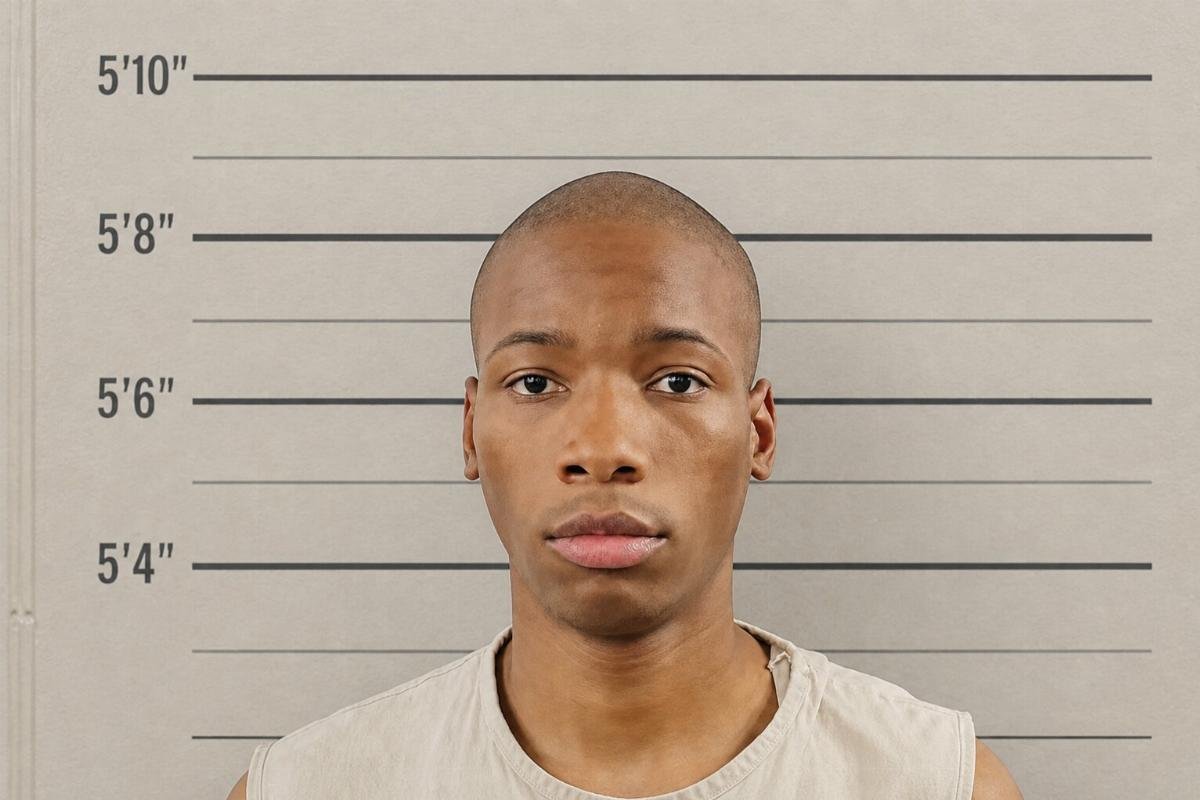
New details from the trial of Karmelo Anthony have reignited a contentious debate about race, justice, and the broader societal forces at play. According to a recent American Thinker op-ed by Bill Ponton, both the prosecution and defense agreed to withhold evidence from the jury—including Anthony’s expressed desire to stab someone and then lick the blood off his knife. School administrators reportedly knew of these statements but did not remove Anthony from the school, a decision Ponton attributes to a policy of avoiding discipline for black students that might highlight disparate racial outcomes.
The case, which has drawn national attention, centers on the death of Austin Metcalf. Ponton argues that the handling of the case and the reaction to it reveal deep divisions in American society. He contends that six decades of messaging that black failings are the result of white oppression have bred what he calls a “resentful race of Anthonys.” At the same time, he says, it has bred a “repentant and passive white race,” exemplified by Metcalf’s father, who, in Ponton’s view, would “heedlessly sacrifice the memory of his son for supposed racial harmony.”

A clash of worldviews
Ponton’s commentary extends beyond the specifics of the case to a broader critique of what he terms “black subculture.” He draws a parallel to conservative warnings about foreign cultures taking root in the United States, arguing that this subculture contains elements “foreign to our culture.” Specifically, he claims that most black Americans have a concept of justice “antithetical to Western jurisprudence,” rooted in “tribal ethics” rather than Western civilizational thought.
As evidence, Ponton points to the jury selection process in Anthony’s trial, asserting that there was not a single black juror willing to convict a black defendant, even with evidence beyond a reasonable doubt. He suggests that in a case like Austin’s murder, a tribal approach might settle for “an exchange of goats and cattle as recompense for the loss” or accept a blood feud lasting generations. He cites gang honor codes and the high rates of black-on-black violence in major cities as vestiges of tribal society.
A call for “race realism”
The op-ed concludes with a call for an “honest appraisal of the Civil Rights era,” one not overshadowed by the words of Martin Luther King Jr., but focused on what Ponton calls the “destructive wake” of his movement. He argues that Karmelo Anthony and “many other monsters like him” are products of that era. Ponton frames his argument as part of a broader need for free speech, saying, “Now more than ever, the ability to speak our minds is crucial to the republic we cherish.”
The piece has drawn sharp reactions from both supporters and critics. Some readers praise Ponton for raising uncomfortable questions about race and justice, while others condemn his generalizations as racist and factually dubious. The American Thinker, a conservative online publication, has a history of publishing provocative commentary on race and culture, and this piece fits that pattern.
It is important to note that Ponton’s claims, including the assertion about the jury pool and the motivations of school administrators, are presented without independent verification. The trial itself is ongoing, and the full evidence has not been made public. As with any op-ed, the arguments reflect the author’s personal views rather than established fact.
The Karmelo Anthony case, whatever its ultimate outcome, has become a flashpoint in the ongoing national conversation about race, crime, and justice. For those following the trial, the details emerging are disturbing—not just for the crime itself, but for what they reveal about the institutions that were supposed to intervene. Whether Ponton’s broader conclusions hold up under scrutiny is a matter for readers to decide, but the questions he raises are unlikely to fade quickly.
Source: www.americanthinker.com — https://www.americanthinker.com/blog/2026/08/what-the-karmelo-anthony-story-reveals-about-our-society/