
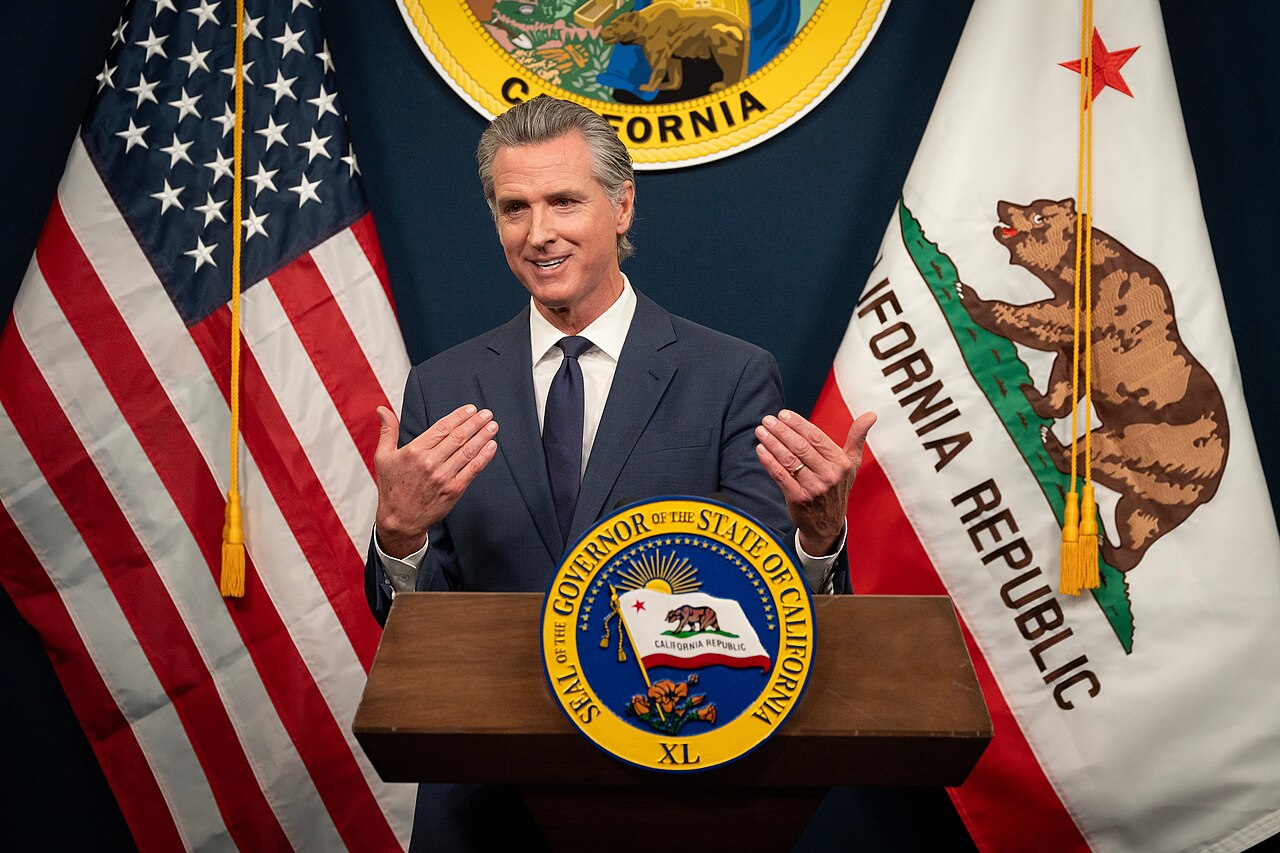
A coalition of healthcare providers has sued California over Gov. Gavin Newsom’s implementation of a controversial Medicaid funding scheme that allegedly violates a voter-approved proposition, setting up a high-stakes showdown that could force families to pay hundreds more in annual insurance premiums or leave the state scrambling to fill a $2 billion budget gap.
The Medicaid Tax Loophole
At issue is California’s complex system for funding its Medicaid program through a tax on managed care organizations. For years, the state imposed dramatically higher taxes on insurers covering Medicaid enrollees ($274/month) compared to other plans ($2.25/month) – a disparity that maximized federal matching funds but drew warnings from both the Trump and Biden administrations.

Congress closed this loophole in 2023 legislation, requiring states to equalize their insurer taxes by January 1, 2025. Meanwhile, California voters approved Proposition 35 in November 2024, which locked in strict limits on how the tax could be structured and spent – capping non-Medicaid taxes at $2.50/month and directing revenues specifically to healthcare providers rather than the general fund.
Newsom’s End-Run Around Voters
In June, Newsom signed legislation that raised the non-Medicaid tax to $8.85/month – more than triple Prop 35’s cap – while allowing funds to be loaned to the state’s general coffers. The bill openly declared legislative intent to circumvent the voter initiative, passing with a simple majority rather than the three-fourths supermajority typically required for tax increases.

According to the lawsuit filed by healthcare groups, Newsom’s administration plans a two-step maneuver: first submitting a Prop 35-compliant plan they expect federal officials to reject, then implementing their preferred higher-tax version. This would effectively nullify the voter-approved measure while generating an estimated $2 billion in additional revenue.
Stark Consequences for Californians
If the courts allow Newsom’s plan to stand, insurers warn the increased tax could add over $300 annually to family premiums as costs get passed to consumers. Should the lawsuit succeed, California would need to find alternative funding sources to avoid a massive budget shortfall while complying with both federal law and Prop 35’s restrictions.

The legal challenge, filed directly with the California Supreme Court due to the fast-approaching federal deadline, argues the legislature could have restructured the tax to satisfy all requirements but chose not to sacrifice the revenue windfall. Plaintiffs include physician and hospital groups that originally backed Prop 35, claiming betrayal of the measure’s promises to direct funds toward healthcare providers.
Newsom’s office has not publicly responded to the lawsuit, but the governor previously offered cryptic non-opposition to Prop 35 during its campaign, telling reporters: ‘I haven’t come out publicly against it. But I’m implying a point of view. Perhaps you can read between those many, many lines.’
Source: thefederalist.com — https://thefederalist.com/2026/11/05/newsoms-dirty-medicaid-trick-sticks-californians-with-pricier-premiums-or-a-budget-shortfall/
Background and context
The latest developments around Lawsuit Alleges Newsom’s Medicaid Tax Maneuver Violates Voter-Approved Prop 35 come amid a broader debate over politics, institutional accountability, and the policy choices that shape everyday life. Understanding the immediate facts is only the first step; the wider impact depends on how officials, institutions, and the public respond in the days and weeks ahead.
FedFront’s coverage focuses on verifiable details, identifiable sources, and the practical consequences of political decisions. Readers should review official statements, primary documents, and court or agency records before drawing final conclusions about any disputed claims.
Why it matters
Stories like this can influence legislation, regulatory enforcement, public trust, and the balance of power between government institutions. Even when the immediate headline fades, the underlying policy, legal, or political questions often continue to shape future decisions.
What to watch next
- Official responses, statements, or policy changes
- Legislative, regulatory, or court action
- Follow-up reporting and independent verification
- Public reaction and broader political fallout
FedFront will continue monitoring this story and update coverage as new information becomes available.
Source: thefederalist.com
Related coverage
- Omaha Police Seek Suspects After Viral Video Shows Group of Teens Assaulting, Robbing Woman on Bus
- Democrats Decry Trump Public Charge Rule as Welfare Use Among Immigrants Drops
- Cambridge Professor’s Death Spurs Fresh Attacks on Press Freedom, DEI Defenders
- Ceuta Sees Spike in Sexual Assaults After Migrant Influx, Prosecutor Says