
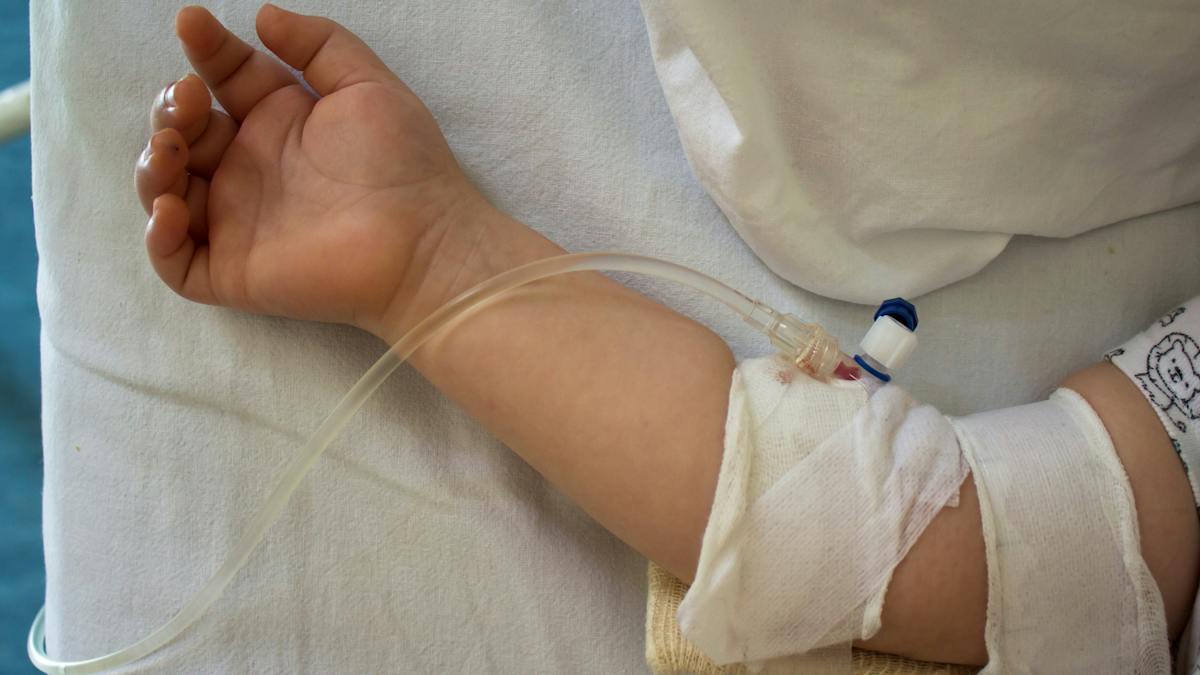
Doctors in the Netherlands ended the life of a nearly 2-year-old child with extensive brain damage, in what government investigators say was the first case carried out under the country’s expanded euthanasia framework for young children. According to a new government report first flagged by the New York Post, the physicians acted with “due care” after concluding the child’s condition would not improve.
The child had been born at just 26 weeks and suffered from what investigators described as “extensive brain damage,” according to the report from the Assessment Committee for Late Termination of Pregnancy and Termination of Life in Newborns and Children Aged 1 to 12 Years. The report did not disclose the child’s gender.
A Life Marked by Severe Medical Complications
According to the committee’s findings, the child developed severe epilepsy, a damaged immune system and cerebral visual impairment, and had no verbal abilities. Investigators said the doctors became “convinced that the child was suffering unbearably and without prospect of improvement.”
“In the course of the child’s short life, there was a complete lack of development or improvement,” the report found. “Every facet of ‘being human’ in terms of motor skills, behavior and personality was severely affected, and there would be no improvement.”
The report states that the parents, having reviewed the results of medical examinations and observed the child’s visible clinical deterioration, asked the physician to terminate the child’s life. The case occurred late last year.
A Legal Framework Years in the Making
The Netherlands legalized euthanasia for severely ill children between the ages of 1 and 12 in 2024, extending a regime that had already permitted the practice for infants under 1 year old under the so-called Groningen Protocol, and for adults since 2002. The case scrutinized in the new report was the first to proceed under the expanded rules for older children.

The Dutch framework requires that a physician determine the child is experiencing unbearable suffering with no prospect of improvement, that both parents consent, and that an independent assessment committee review the case after the fact. In this instance, the committee concluded the doctors had met the standard of “due care.”
The expansion has drawn sustained criticism from religious leaders, conservative groups and disability advocates, who argue that allowing doctors to end the lives of children who cannot consent represents a dangerous widening of who qualifies for state-sanctioned death. Proponents counter that the framework exists precisely to prevent ad hoc decisions by requiring rigorous oversight and parental consent.
Pope Speaks Out During France Visit
On Sunday, Pope Leo XIV addressed the issue during a visit to France, telling audiences that opposition to assisted suicide flows from the inherent dignity of every human being.

“It is precisely in the name of this inalienable dignity of the human person that we must reject the temptation to cause death under the guise of false compassion,” he said. “What is legal is not necessarily moral.”
The pope’s remarks came as several U.S. states have moved to legalize assisted suicide in recent months. More than a dozen states now permit the practice. Illinois legalized it in December, and New York followed in February, with both laws allowing doctors to prescribe lethal drugs to terminally ill patients given a prognosis of less than six months to live.
The Dutch report is likely to intensify debate in the United States and elsewhere over where the line between palliative care and assisted death should fall — particularly for patients too young to speak for themselves. The Netherlands remains one of only a handful of countries to permit the practice for young children, alongside Belgium, which removed age restrictions for euthanasia in 2014.
Source: www.dailywire.com — https://www.dailywire.com/news/doctors-execute-toddler-as-part-of-countrys-legal-euthanasia-regime