
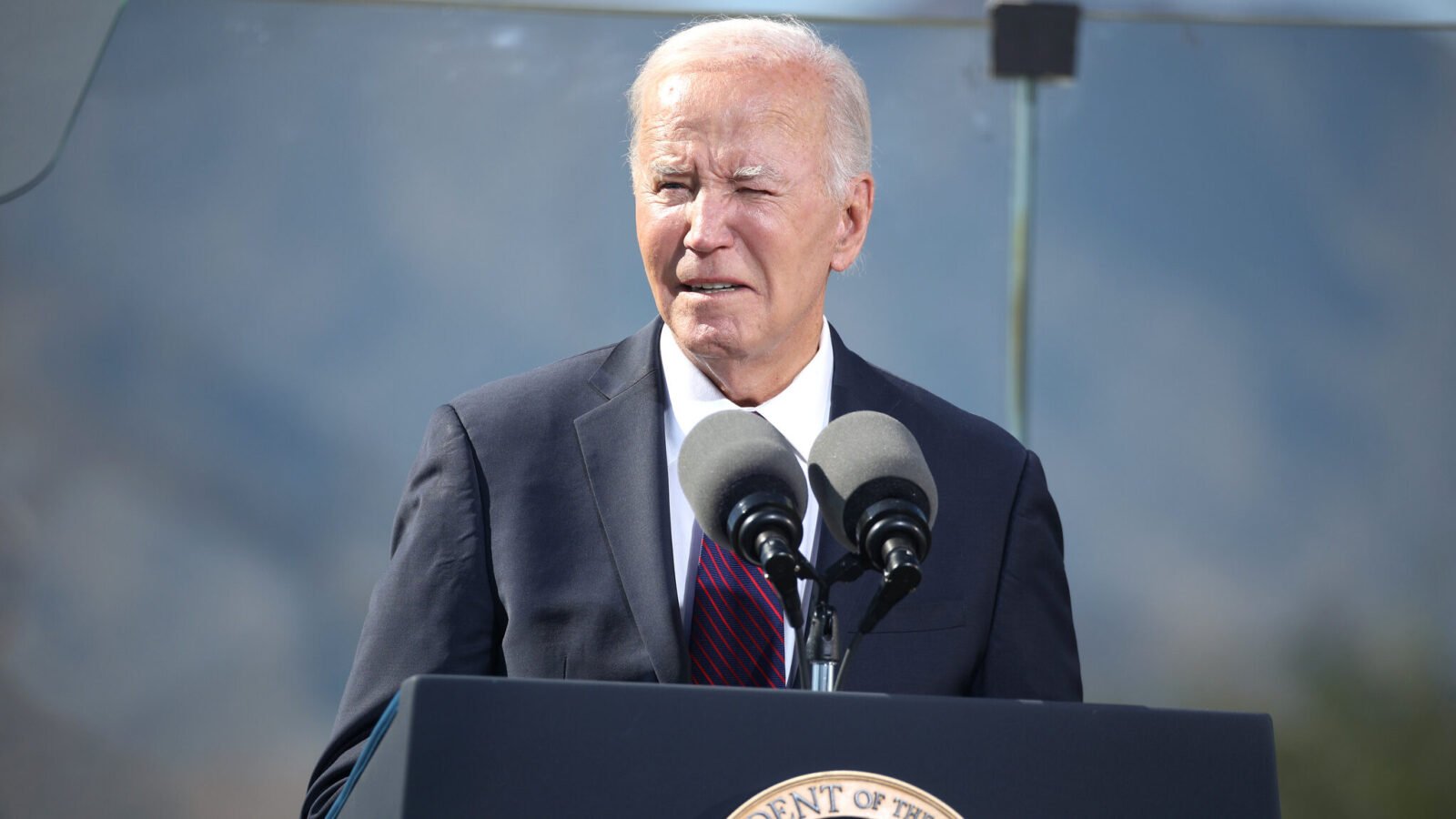
Newly released audio recordings of Joe Biden from 2016 and 2017 are reigniting controversy over how media outlets covered questions about the former president’s cognitive fitness during his time in office.
The Oversight Project, a government watchdog organization, secured the release of the audio tapes and transcripts after more than two years of legal efforts. The recordings capture conversations between Biden and his ghostwriter, Mark Zwonitzer, during the writing of Biden’s memoir following his tenure as vice president.
The same recordings were previously reviewed by Special Counsel Robert Hur during his investigation into Biden’s handling of classified documents. In his report, Hur concluded that “Biden’s memory was significantly limited” during both the interviews with Zwonitzer and with Hur himself. The special counsel also noted that “Mr. Biden’s recorded conversations with Zwonitzer from 2017 are often painfully slow, with Mr. Biden struggling to remember events and straining at times to read and relay his own notebook entries.”
Audio Details Memory Struggles
The newly public recordings document multiple instances where Biden had difficulty with recall. In one April 2017 conversation, Biden struggled to remember the names of two former economic advisers: “including the two guys who I think were with me, were — oh, God. The guy at Princeton now. Economist. Good guy, was our, our chief economic advisor. Not Kaufman. I’ll think of his name.” Biden later acknowledged: “I should write the names down because I keep forgetting them.”
In another exchange, Biden could not recall the date of a memorial service for a fallen service member, expressing confusion over both the timing and the name involved in his own notes. At another point during the recorded sessions, Biden appeared to lose his train of thought entirely: “What was I going to ask you? Oh, gosh. I, I can’t think of what it is.”
Timeline Raises Questions About Media Coverage
The recordings predate Biden’s 2020 presidential campaign by several years, occurring while he was a private citizen between his vice presidency and his eventual return to the White House. This timeline has prompted renewed scrutiny of how media outlets reported on concerns about Biden’s cognitive fitness throughout his presidency.

According to The Federalist, the Biden administration was aware of the political sensitivity surrounding the issue. The outlet reported that Hur testified the White House urged him to alter “references to the president’s poor memory” in his classified documents report. Additionally, Hur reportedly testified that Zwonitzer “attempted to destroy evidence following Hur’s appointment to investigate the mishandling of classified information.”
Media Coverage Shifts After 2024 Debate
Prior to Biden’s widely criticized debate performance in June 2024, several major outlets published pieces that downplayed concerns about the president’s age and memory. The New York Times ran stories examining “misleading videos” trailing Biden and featuring a neuroscientist’s perspective on presidential memory. NBC News published reporting noting that forgetting names or dates “doesn’t affect decision-making or judgment, brain experts say,” according to the source material.
MSNBC’s Joe Scarborough stated in March 2024: “This version of Biden, intellectually, analytically, is the best Biden ever. Not a close second.” CNN’s coverage before the debate included reporting characterizing right-wing concerns about Biden’s mental acuity as “conspiracy theories.”
Following Biden’s debate performance and eventual withdrawal from the 2024 race, some journalists changed their approach to the story. CNN’s Jake Tapper and Axios reporter Alex Thompson co-authored a book titled “Original Sin: President Biden’s Decline, It’s Cover-Up, and His Disastrous Choice to Run Again.” Thompson later stated he “missed a lot of this story,” though The Federalist noted he had previously dismissed Biden’s unusual phrase “God Save the Queen, man” as “possible” sarcasm.
Political Implications
The release of the audio recordings comes months after Biden left office following his decision not to seek reelection. Vice President Kamala Harris, who succeeded him as the Democratic nominee, lost the 2024 presidential election.
The recordings and their delayed public release raise questions about government transparency and the role of media outlets in covering questions about presidential fitness for office. The Oversight Project’s multi-year effort to obtain the materials suggests such recordings might otherwise have remained sealed from public view.
The controversy highlights ongoing tensions between media organizations and critics who argue certain outlets failed to adequately scrutinize Biden’s fitness for office during his presidency. Supporters of the former president have maintained that concerns about his cognitive abilities were overblown and politically motivated.
The recordings provide contemporaneous documentation of Biden’s communication patterns years before his presidency, offering a point of comparison for those analyzing how his condition may have evolved during his time in office.
Source: thefederalist.com — https://thefederalist.com/2026/07/29/craziest-part-of-new-biden-tapes-is-that-media-who-covered-for-him-still-have-jobs/