
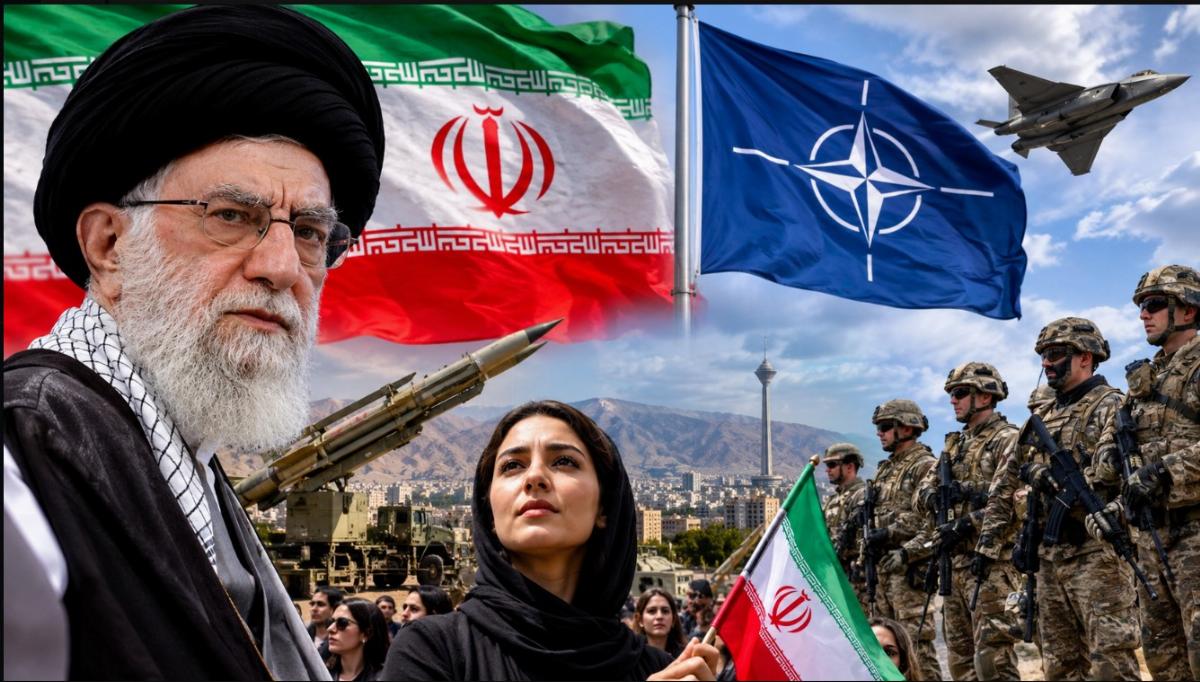
Jim Davis, a contributor to the American Thinker, has reignited a long-standing debate with his latest op-ed: Islamism, he argues, is not a religion but a political ideology fundamentally at odds with democratic values. His piece, drawing on historical analysis and personal experience, makes the case that Western policymakers have dangerously conflated criticism of Islamist movements with bigotry toward Muslims.
The Core Distinction
Davis insists the critical divide lies between ordinary Muslims and Islamism—a movement seeking to impose religious authority over government and law. “Political Islam subordinates individual rights to religious doctrine,” he writes, pointing to regimes like Iran and groups such as Hamas and the Taliban as examples of its authoritarian tendencies. This ideology, he contends, inherently conflicts with constitutional democracy through its suppression of dissent, women’s rights, and religious minorities.
A Personal Connection to Iran’s Revolution
The argument isn’t abstract for Davis. He recounts his time working with Iranian refugees after the 1979 revolution, including a lost love who was killed attempting to flee the country. His firsthand exposure to the revolution’s aftermath—how Khomeini’s regime quickly betrayed secular and Marxist allies—shapes his skepticism toward Islamist governance. “The leftists who helped topple the shah,” he notes grimly, “discovered they’d been useful idiots.”
Beyond Sectarianism
While acknowledging theological differences between Sunni and Shiite Islam, Davis emphasizes that extremism spans both sects. From ISIS to Hezbollah, he argues, Islamist groups share a “record of terrorism” despite doctrinal divides. The October 7 Hamas attacks, he adds, exposed the “savagery” of movements that wield territorial control.
A Call for NATO Intervention
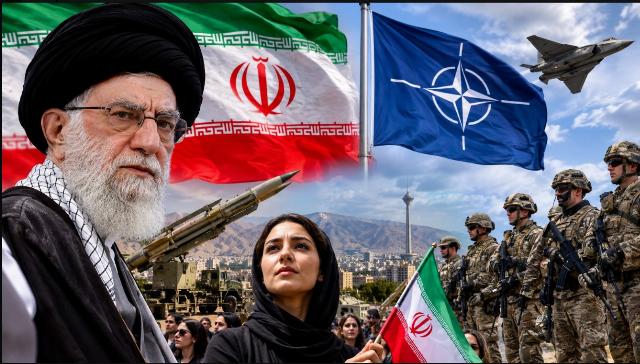
Davis’s most controversial proposal is a full-scale NATO invasion of Iran in 2027 to dismantle its regime. Criticizing half-measures like sanctions and limited strikes, he warns that “another round of bombing followed by diplomatic handshakes” merely postpones inevitable conflict. But he cautions against repeating the failures of Iraq and Afghanistan, stressing the need for a clear mandate and support for a broad Iranian opposition coalition—not another autocrat.
Western Policy Overhaul
The essay concludes with sweeping recommendations for Western governments: halting immigration from Muslim-majority countries with inadequate vetting, stricter visa controls, aggressive prosecution of terrorism financing, and deportation of noncitizens who violate laws. Davis saves particular scorn for Europe’s “coddling” of violent offenders under the guise of cultural sensitivity, citing lenient sentences for crimes committed by migrants.
Davis’s argument is uncompromising, framing Islamism as an existential threat requiring military and policy shifts. Whether readers agree or condemn his conclusions, his piece underscores the charged debate over how democracies should confront religious authoritarianism—without conflating it with faith itself.
Source: www.americanthinker.com — https://www.americanthinker.com/blog/2026/11/islam-is-a-toxic-ideology-not-a-religion/
Background and context
The latest developments around Opinion: Islamism is a Political Ideology at War With Democracy, Not a Religion come amid a broader debate over opinion, institutional accountability, and the policy choices that shape everyday life. Understanding the immediate facts is only the first step; the wider impact depends on how officials, institutions, and the public respond in the days and weeks ahead.
FedFront’s coverage focuses on verifiable details, identifiable sources, and the practical consequences of political decisions. Readers should review official statements, primary documents, and court or agency records before drawing final conclusions about any disputed claims.
Why it matters
Stories like this can influence legislation, regulatory enforcement, public trust, and the balance of power between government institutions. Even when the immediate headline fades, the underlying policy, legal, or political questions often continue to shape future decisions.
What to watch next
- Official responses, statements, or policy changes
- Legislative, regulatory, or court action
- Follow-up reporting and independent verification
- Public reaction and broader political fallout
FedFront will continue monitoring this story and update coverage as new information becomes available.
Source: www.americanthinker.com
Related coverage
- After 20 Years of Hunting Jihadists, America Left the Ideology Alone, Israeli Veteran Argues in American Thinker
- Nidal Hasan Execution: American Thinker’s Ted Noel Argues Executions Should Be Public
- Colorado Pulls $6,000 Preschool Payments From Catholic Parish, American Thinker Says the Left Wants Religion Gone
- Penn State Writer Calls for Retiring ‘Sweet Caroline’ From Stadium Playlists: ‘We Are … Over It’