
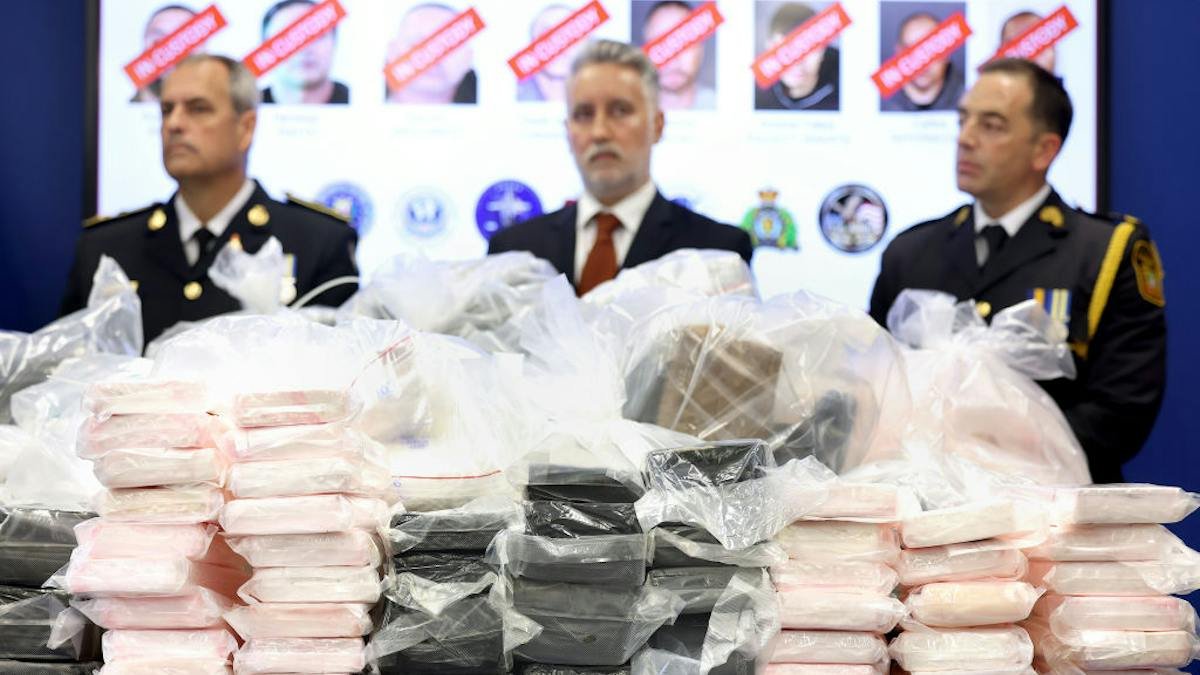
Fourteen people have been charged in connection with an alleged cocaine-trafficking operation centered on fraternity houses at Penn State, according to a grand jury presentment released by Pennsylvania prosecutors. Thirteen of the accused were students at or around the time of the alleged conduct.
Investigators say the operation followed a distribution chain that started in Philadelphia and New York, where cocaine was sourced, then moved to State College, where it was cut, packaged and sold primarily to students. Witnesses described a setup in which pledges at the Delta Upsilon fraternity were tasked with packaging the drug in the house’s boiler room, sometimes producing 200 to 300 half-gram bags in a single session.
The case has drawn national attention for the unusual details: pledges reportedly had to hold out steady hands as a kind of initiation test before being trusted with the work, and one former fraternity member, Thomas M. Robinson, is accused of mixing creatine into cocaine to stretch the product and increase profits.
A win by the numbers — but only on one set of numbers
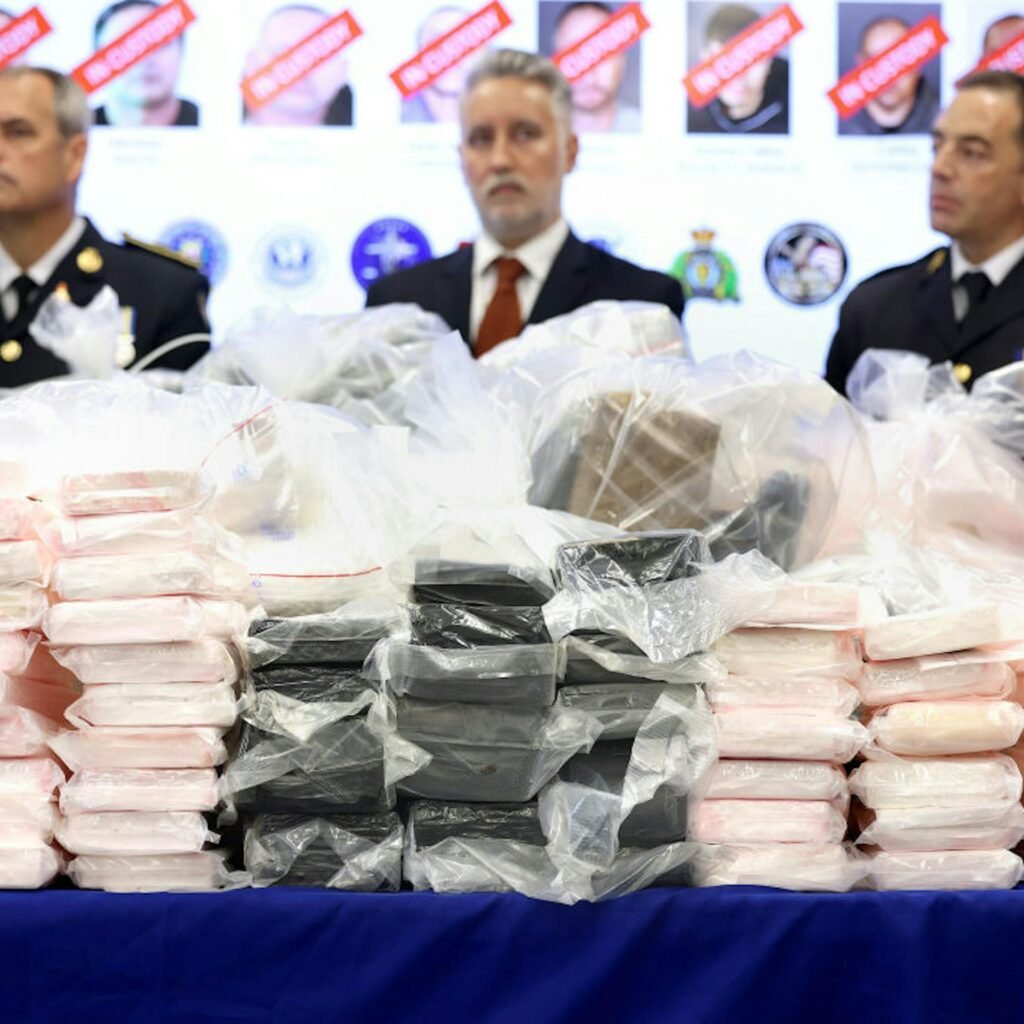
By any conventional measure, the bust is a victory for drug enforcement. Authorities identified an alleged trafficking network, built a case, and shut it down. Prosecutors will likely count it as a success, and on its own terms it is one.
But a new essay published by the Daily Wire argues that taking a single supplier off the board is not the same as shrinking the cocaine market — and that the latest global data makes that distinction impossible to ignore.
According to the United Nations’ 2026 World Drug Report, potential global cocaine production reached roughly 4,100 metric tons in 2024, more than four times the level recorded in 2014. Cocaine use grew by more than a third over roughly the same period. The UN Office on Drugs and Crime also found that global cocaine seizures have broadly kept pace with rising production since 2014, yet the estimated supply still reaching consumers has grown at approximately the same rate.

In other words, law enforcement is intercepting more cocaine than ever — and consumers are still getting more of it than ever. The essay, written by Layal Bou Harfouch, a writer with Young Voices and a policy analyst at Reason Foundation, frames that gap as the central problem with measuring drug policy success one bust at a time: police can remove a supplier, but they cannot remove the demand that made the operation profitable in the first place.
What the fraternity case says about prohibition
The Penn State allegations offer an unusually vivid illustration of that dynamic, Bou Harfouch argues. An institution of civil society — a fraternity — allegedly became part of the distribution network, with hierarchy and loyalty helping the operation function. Prohibition did not eliminate the cocaine market. It pushed that market outside the legal institutions normally relied on for accountability.
The alleged creatine mixing is a case in point. In an illegal market, buyers have little way of knowing what they are getting. One study of the unregulated stimulant supply cited in the essay found as many as 15 substances in a single sample; powder cocaine contained an average of 2.39 substances. That adulteration carries its own risks, separate from the risks of cocaine use itself.

For conservatives, the essay suggests, the question is whether prohibition is sustaining the very black market that governments keep spending more money to fight. It invokes “freedom conservatism” — a strain rooted in the classical liberal tradition that emphasizes individual liberty, limits on government power and the importance of civil society — and argues drug prohibition should have to answer to those principles too.
The piece’s closing argument is a call to change the scoreboard. Rather than judging drug policy by how many people are arrested, Bou Harfouch writes, it should be judged by what those arrests actually accomplish.
The Penn State case remains pending against the 14 defendants, who are presumed innocent unless convicted. But the broader debate it has reignited — whether enforcement can outpace a market that keeps growing despite it — is unlikely to be resolved in a Pennsylvania courtroom.
Source: www.dailywire.com — https://www.dailywire.com/news/you-can-bust-a-cocaine-ring-you-cant-bust-a-black-market