

The Republican Party is experiencing an existential crisis following disappointing midterm results, with factions battling over whether to embrace Trump-era populism or retreat to an ill-defined ‘principled conservatism’ championed by figures like Mitt Romney. The internal rift exploded into public view this week as high-profile Republicans offered contradictory visions for the party’s future.
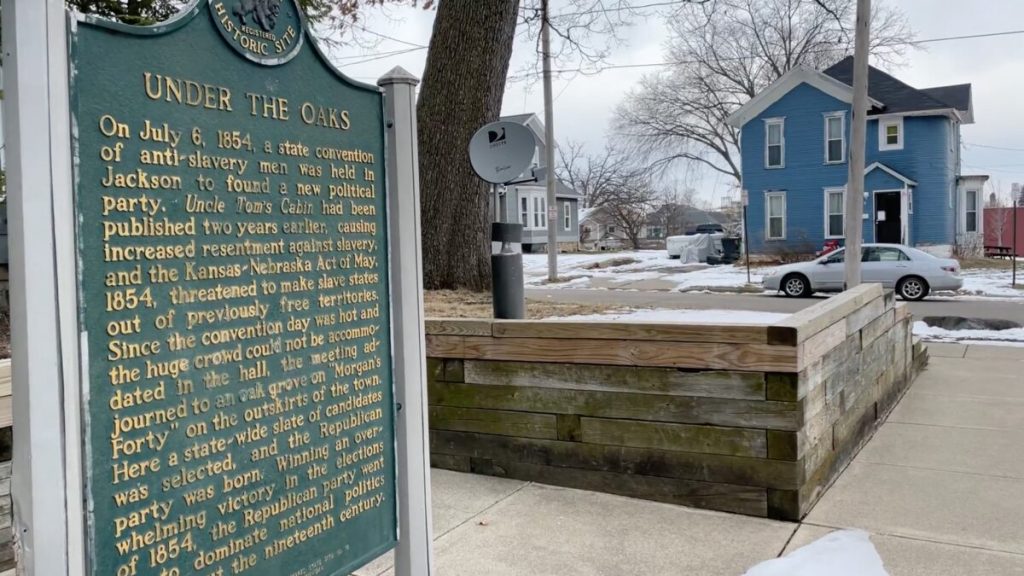
The Principles Paradox
At the heart of the GOP’s turmoil is a fundamental disagreement about what its core principles should be. Establishment voices like Nikki Haley have called for moderating hardline immigration policies, arguing that recent ICE enforcement actions ‘overreached’ by targeting businesses employing undocumented workers. This stance sparked immediate backlash from populist factions who view strict border enforcement as non-negotiable.

Critics point to Romney’s Senate record as emblematic of this contradiction—while the Utah senator frequently bemoans deficit spending, he failed to meaningfully challenge budget expansions during his tenure. ‘What exactly are these sacred principles we’re returning to?’ asked one Trump-aligned strategist. ‘Lower deficits we never actually cut? Open borders disguised as pro-business policies?’
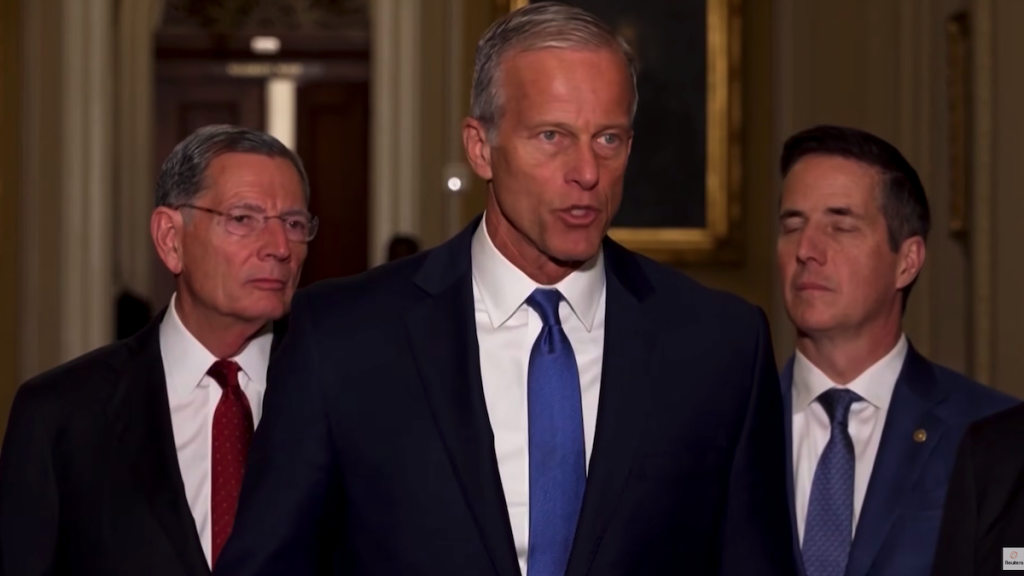
1854 or 2026?
The debate echoes foundational tensions dating back to the party’s origins. The original 1854 Republican platform under Michigan’s ‘Under the Oaks’ convention explicitly rejected aristocracy and championed self-sufficient labor—a far cry from today’s corporate-aligned immigration positions. ‘We’ve got Haley worrying about business labor shortages while claiming Reagan’s mantle,’ noted one conservative historian. ‘Lincoln would’ve called that plantation logic.’
Meanwhile, progressive overreach on issues like minor medical autonomy has created opportunities for the GOP to reclaim its identity as the party of family sovereignty. California’s laws allowing minors to obtain abortions and STD treatments without parental consent have become rallying cries for social conservatives.
The Way Forward
Three potential pillars for a renewed GOP platform have emerged from the fray: staunch defense of family autonomy, clear separation of corporate and state power, and rebuilding social trust through fraud prevention. The Trump-aligned wing points to Vice President Vance’s anti-fraud task force as a model for concrete action—contrasting sharply with vague appeals to ‘traditional values’ from establishment figures.
As the 2028 election looms, the party faces a stark choice: articulate a coherent modern vision or risk becoming what one commentator called ‘Vichy Republicans’—paying lip service to principles while accommodating progressive erosion. The ghosts of Ripon and Jackson still whisper—but today’s GOP seems unsure whether to heed them or exorcise them completely.
Source: thefederalist.com — https://thefederalist.com/2026/11/13/the-romney-gop-rises-from-its-grave-talking-about-principles-without-having-any/
Background and context
The latest developments around Romney’s Ghost Haunts GOP: Fractured Party Grapples With Identity Crisis After Midterm Shellacking come amid a broader debate over politics, institutional accountability, and the policy choices that shape everyday life. Understanding the immediate facts is only the first step; the wider impact depends on how officials, institutions, and the public respond in the days and weeks ahead.
FedFront’s coverage focuses on verifiable details, identifiable sources, and the practical consequences of political decisions. Readers should review official statements, primary documents, and court or agency records before drawing final conclusions about any disputed claims.
Why it matters
Stories like this can influence legislation, regulatory enforcement, public trust, and the balance of power between government institutions. Even when the immediate headline fades, the underlying policy, legal, or political questions often continue to shape future decisions.
What to watch next
- Official responses, statements, or policy changes
- Legislative, regulatory, or court action
- Follow-up reporting and independent verification
- Public reaction and broader political fallout
FedFront will continue monitoring this story and update coverage as new information becomes available.
Source: thefederalist.com
Related coverage
- NTSB Dismisses Mar-a-Lago Link in Florida Jet Crash That Killed Tech CEO, Family
- Ukraine Unleashes Record Drone Barrage on Russia, Strikes Key Bridge and Oil Facilities
- Allen Bailey, Former Chiefs Defensive End, Found Dead in Florida Home at 37
- Breitbart Column Credits Columbus Voyage With Sparking Modern Human Rights Theory