
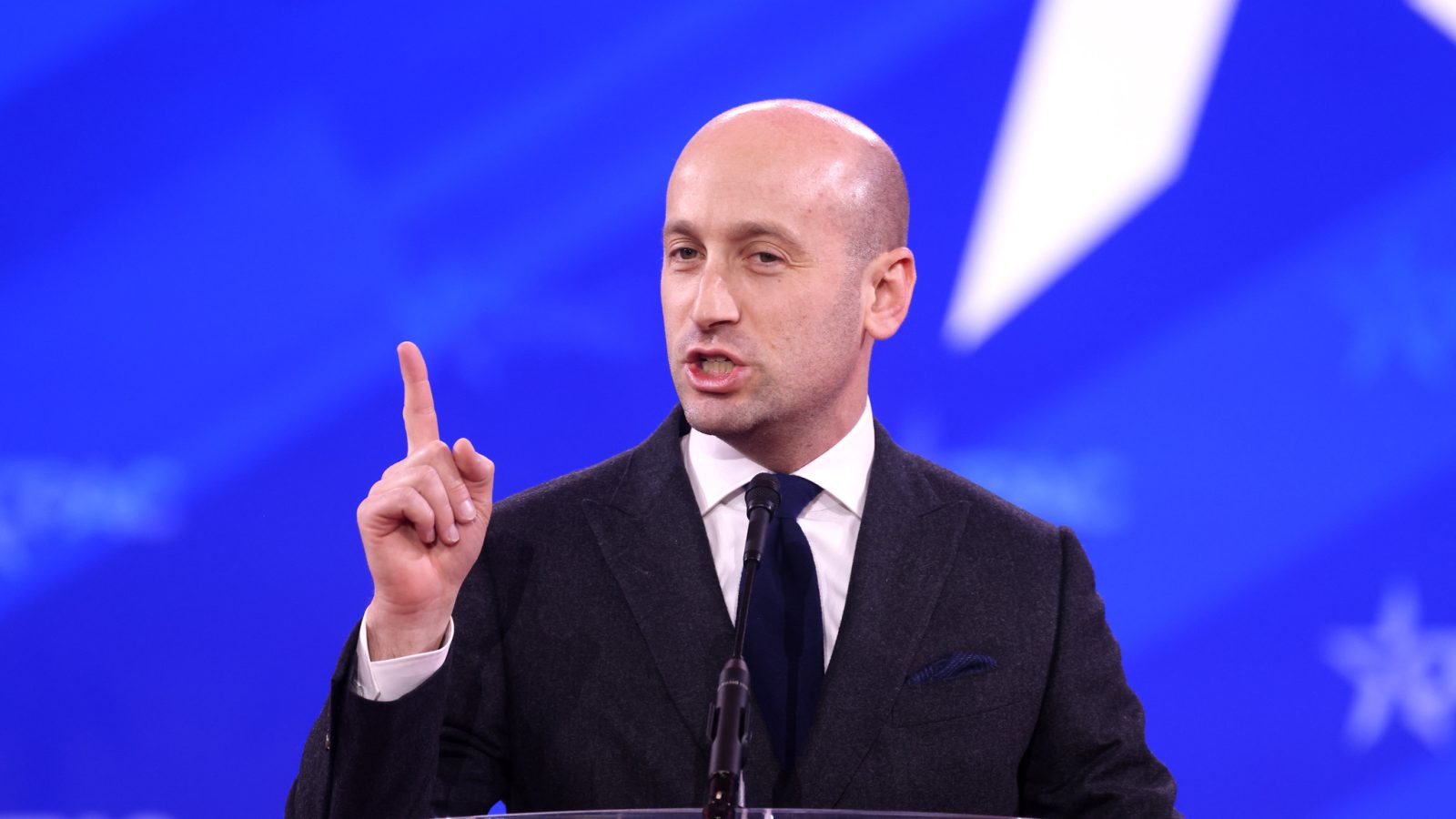
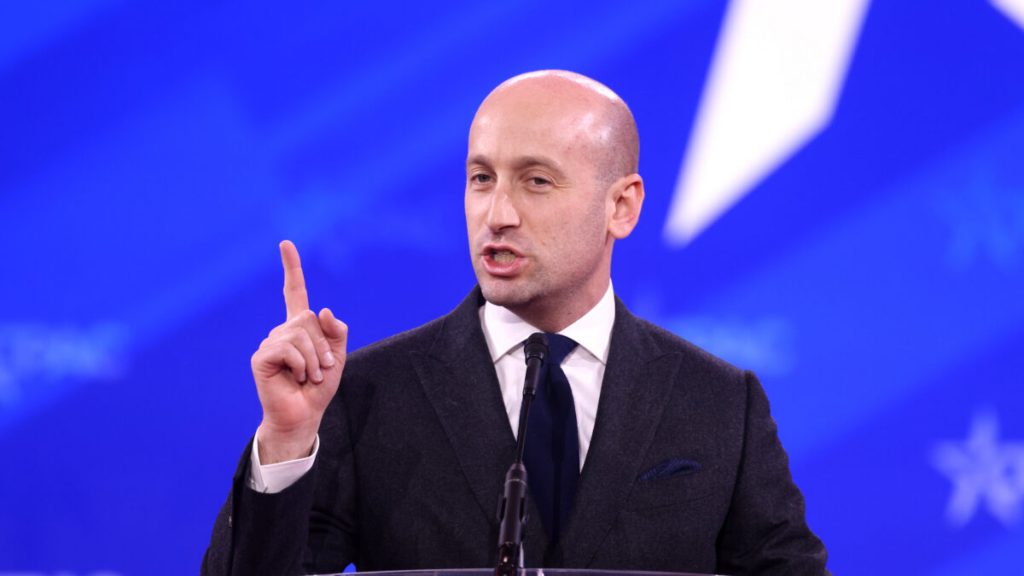
With Democrats securing both chambers of Congress in last week’s midterms, the Trump administration is shifting tactics—relying on executive authority, regulatory maneuvers, and pre-approved funding to advance its agenda without needing new legislation. The architect of this strategy? Stephen Miller, the hardline immigration adviser now steering White House policy.
Executive Power in a Divided Government
President Trump’s legislative ambitions may be stalled, but his administration still holds significant tools to bypass Congress. One key advantage: existing funding. Earlier this year, Congress allocated nearly $70 billion to the Department of Homeland Security, much of it available through 2029. That money gives Miller wide latitude to expand immigration enforcement, accelerate deportations, and pressure uncooperative local jurisdictions—all without Democratic approval.

Regulatory Leverage and Judicial Appointments
Before Republicans lose the Senate in January, Trump is rushing to confirm as many judges as possible while pushing last-minute policy changes. Regulatory overhauls, particularly in energy and environmental policy, could reshape industries without congressional input. A recent Supreme Court decision also weakened restrictions on firing officials at independent agencies, giving the White House more control over federal rulemaking.
National Security as a Policy Shield
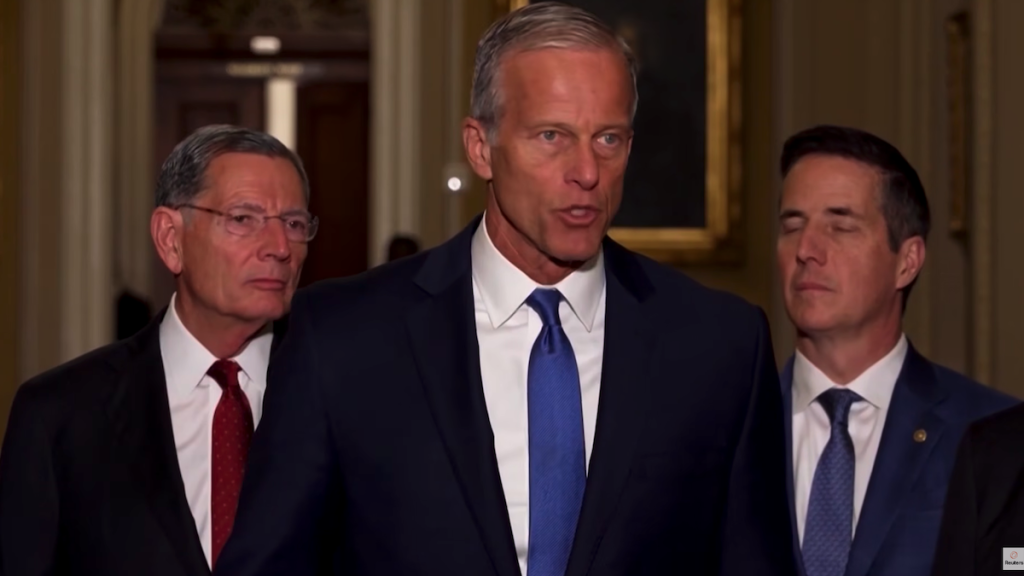
By framing energy projects, tech manufacturing, and trade policies as national security imperatives, the administration can invoke emergency powers and Defense Production Act authorities. Democrats may challenge these moves in court, but litigation could take months—leaving policies in place long enough to shape markets and deter reversals.
The Democratic Counterplay
Democrats will wield subpoenas, oversight hearings, and budget negotiations to push back. But without veto-proof majorities, their legislative efforts will likely die on Trump’s desk. Meanwhile, the White House can turn each confrontation into a political weapon—portraying Democrats as obstructionists while keeping immigration and security issues in the spotlight.
The Risks of Relentless Confrontation
While Miller’s strategy could keep Trump’s agenda alive, it also risks further alienating voters frustrated with partisan battles. Midterm losses were partly a rebuke of Trump’s combative style, and doubling down on executive overreach could backfire ahead of 2028.
For now, the White House is betting that aggressive unilateral action—not compromise—will define the next two years. Whether that approach secures lasting policy wins or just more political turmoil remains to be seen.
Source: thefederalist.com — https://thefederalist.com/2026/11/13/how-stephen-miller-can-bypass-a-democratic-congress/
Background and context
The latest developments around Stephen Miller’s Playbook: How Trump’s Team Plans to Sidestep a Democratic Congress come amid a broader debate over politics, institutional accountability, and the policy choices that shape everyday life. Understanding the immediate facts is only the first step; the wider impact depends on how officials, institutions, and the public respond in the days and weeks ahead.
FedFront’s coverage focuses on verifiable details, identifiable sources, and the practical consequences of political decisions. Readers should review official statements, primary documents, and court or agency records before drawing final conclusions about any disputed claims.
Why it matters
Stories like this can influence legislation, regulatory enforcement, public trust, and the balance of power between government institutions. Even when the immediate headline fades, the underlying policy, legal, or political questions often continue to shape future decisions.
What to watch next
- Official responses, statements, or policy changes
- Legislative, regulatory, or court action
- Follow-up reporting and independent verification
- Public reaction and broader political fallout
FedFront will continue monitoring this story and update coverage as new information becomes available.
Source: thefederalist.com
Related coverage
- Mamdani’s 2021 Push for ‘Seizing the Means of Production’ Fuels Communism Debate
- Michigan’s Zack Marshall Apologizes After Leaked Group Chat Ripped OC Jason Beck
- Herzog Hands Eisenkot First Shot at Forming Israeli Government in Blow to Netanyahu
- Callaway Golf Apologizes for Ad Accused of Promoting Violence Against Women