
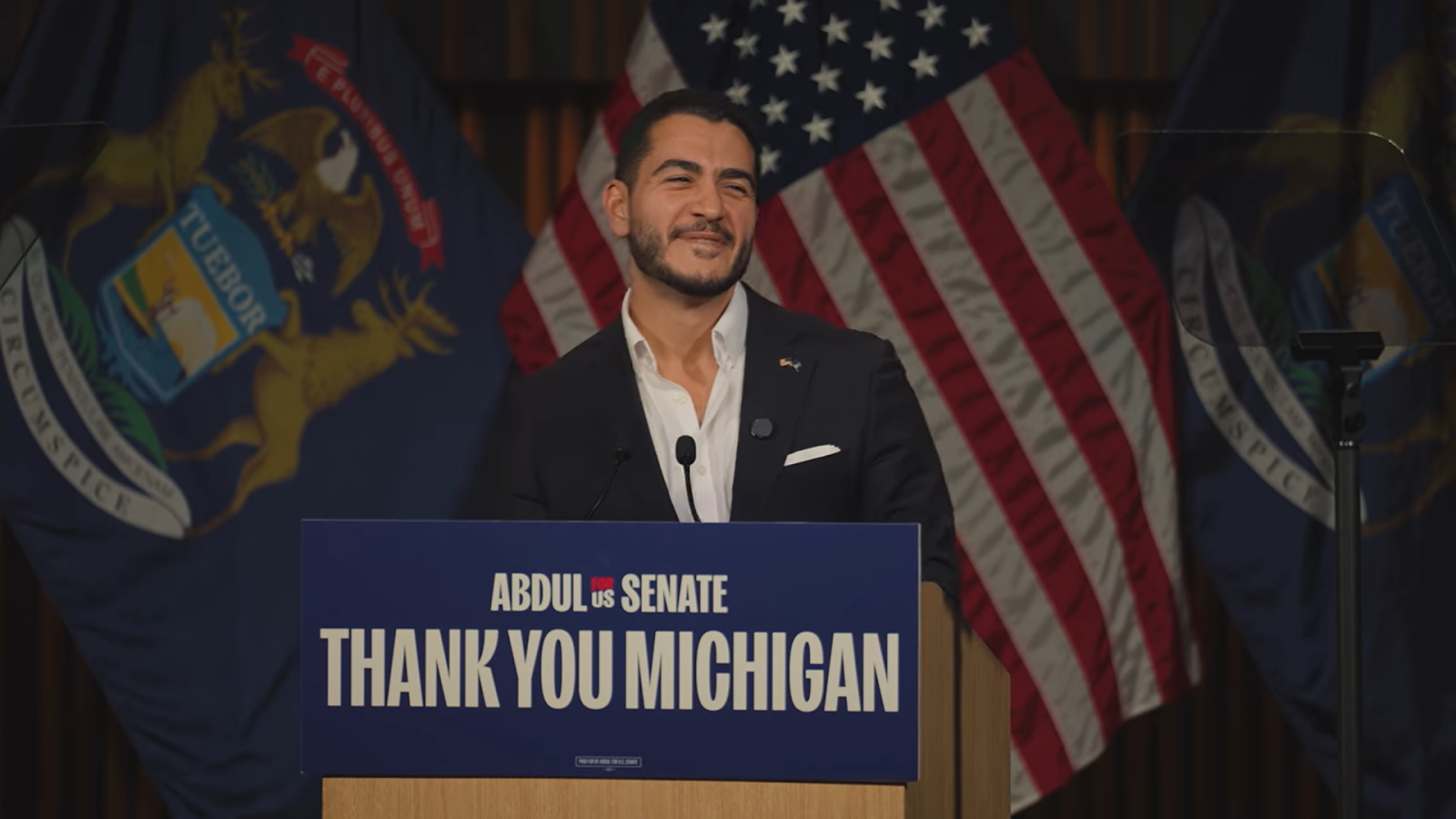
The Democratic Party is witnessing a peculiar yet powerful alliance between progressive white women and radical Islamic figures, posing both challenges and opportunities within the political arena.
In a political climate often marked by unexpected partnerships, this particular coalition has emerged as one of the strangest; an intersection of social justice advocates and Islamic leaders, aptly dubbed the ‘pink-green alliance’ by some commentators. This alignment played a notable role in the Democrats’ midterm successes.
A Shift in Political Dynamics
According to The Federalist, the 2026 midterms showcased how effectively social justice-focused white women and Muslim politicians have joined forces. This subsection of the progressive movement is seen as both a performance and a strategy, appealing primarily to millennial voters who are continuously seeking representation and empathy in political dialogue.
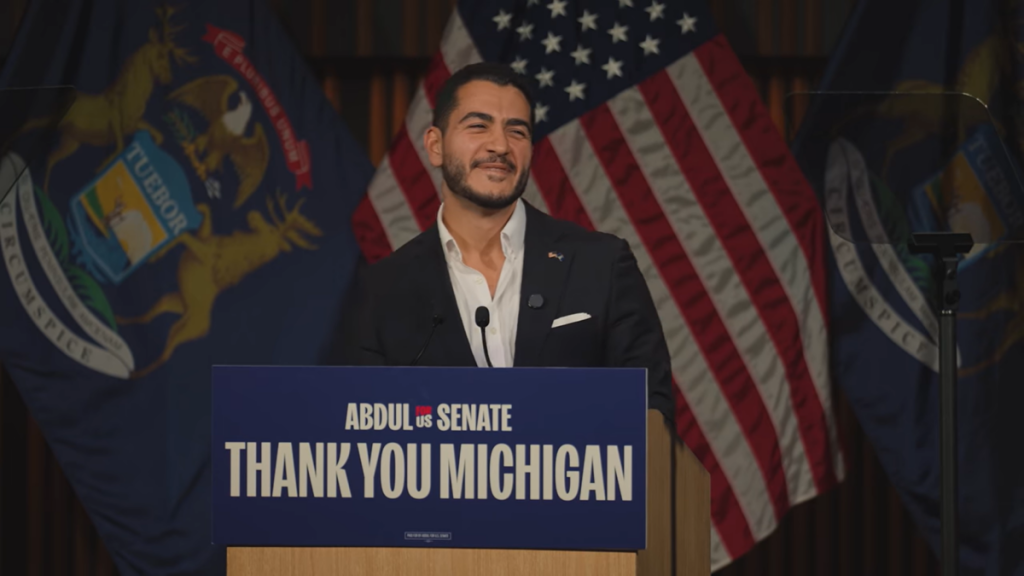
An example highlighted is newly elected Michigan Senator Abdul El-Sayed, who has worked to downplay any accusations of Islamist ties by sharing light-hearted anecdotes during his campaign. He famously quipped about replacing sharia law with ‘Shakira law’, a playful nod to the popular singer, which resonated with younger voters, particularly women, who made up a significant portion of his support in the race.
Understanding the Appeal
El-Sayed is not alone in leveraging a style that resonates with young and left-leaning women. New York City Mayor Zohran Mamdani has similarly attracted support by tapping into the cultural zeitgeist and understanding the rhetoric that appeals to the millennial demographic.
Mamdani’s previous comment on the need to ‘get a little whiter’ to gain acceptance highlights a willingness to navigate identity politics strategically. Such statements reveal how members of this coalition are often aware of the optics involved in their political engagements.

Controversial Associations
This alliance is not without its controversies. Claims have surfaced regarding associations with groups labeled as extremists, raising eyebrows among critics. For example, El-Sayed’s family connections to the Council on American-Islamic Relations (CAIR), an organization designated as having terrorist connections by some states, have raised questions about the legitimacy of his campaign messaging.
Critically, El-Sayed has avoided condemning the Islamic Revolutionary Guard Corps (IRGC) and has previously suggested support for controversial ideologies, positioning him at odds with more moderate voices within the party.
Performative Activism
An additional layer to this complex coalition is the phenomenon of performative activism among progressive white women, who have increasingly adopted causes like pro-Palestine movements, sometimes without a full understanding of the issues at hand. The visual and social media presence of young white women at protests, often appropriating cultural symbols from the Middle East, has drawn criticism for lacking authenticity and depth.
Long-term Implications
As these alliances continue to evolve, they pose important questions about the future of the Democratic Party and the broader implications for American society. The melding of traditionally opposing ideologies wrapped in shared language around empathy and equity may allow both factions to wield influence in ways that challenge the party’s core values.
The intersection of Islamism and white feminism signifies a shift towards radical policies that could reshape the landscape of American liberalism. As these groups consolidate power, they could redefine political norms and debate, with significant ramifications for issues including immigration, civil rights, and national security.
A Call for Vigilance
The emergence of this alliance prompts a call for awareness among voters about the implications of these partnerships. While they may aim to represent marginalized voices, the potentially dangerous consequences of their ideological overlaps must not be overlooked. The dialogue surrounding such collaborations continues to provoke discussion about the future trajectory of political engagement in America.
Source: thefederalist.com — https://thefederalist.com/2026/11/18/the-future-of-the-democrat-party-is-islamic-third-worldism-married-to-millennial-white-woman-cringe/
Source: thefederalist.com
Related coverage
- Karoline Leavitt Says the Job ‘Was Not for’ Successor Katie Zacharia After Five-Day White House Stint
- Conservative and Progressive Ballot Measures Split Outcomes in 2026 Midterms
- Norway’s King Harald V Dies at 89; Son Haakon VIII Ascends Throne
- Former NFL Linebacker Deported After Criminal Convictions, Visa Overstay