
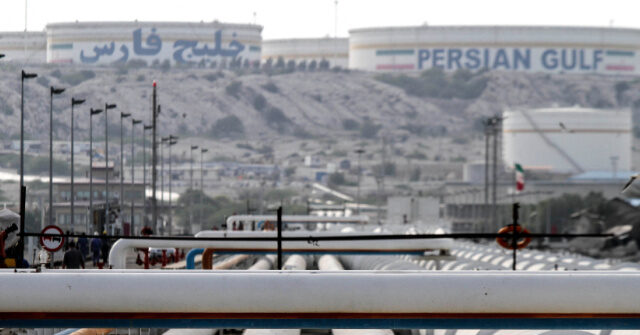
President Donald Trump is reportedly prioritizing an economic strategy to combat Iran rather than escalating military actions, according to a report from Israel Hayom citing multiple diplomatic sources. The current focus is on choking off Iran’s oil-export routes amid the ongoing effects of an American economic blockade.
Among four proposed strategies, Trump is said to prefer enhancing economic measures, which include pressuring Gulf nations to help eliminate oil-smuggling routes that operate through Iraq. Other strategies considered were negotiating with Tehran, initiating another major military offensive, or conducting limited strikes against Iranian targets.
As Iranian military forces appear poised to challenge the blockade, diplomatic efforts continue to falter regarding Tehran’s nuclear ambitions and the control over the crucial Strait of Hormuz. Trump’s reluctance for a new major offensive stems from both potential consequences for American forces and the uncertain outcomes of such a military campaign.
Shifting Focus on Economic Battle
The administration has already begun expanding its tactics beyond the waters surrounding Iran. Recently, CENTCOM announced the formation of Task Force Iron Gate, aimed at disrupting illicit revenues and arms shipments across Iranian borders. This operation reflects a coordinated effort to further tighten the economic noose on Tehran.
One of the focal points of this strategy is to cut off the oil trafficking that disguises Iranian crude as Iraqi or Kurdish oil. Washington is reportedly also enlisting regional allies to assist in this effort, with leaders in the Gulf agreeing to pressure Baghdad to cooperate.
Successes and Challenges of the Current Approach
As part of the ongoing sanctions, the U.S. Treasury Department has applied measures against Iranian oil trustees who were involved in handling proceeds from the regime’s crude sales. These sanctions are part of a broader strategy called Operation Economic Outcast, intended to eliminate Iran’s financial resources.
Secretary of the Treasury Scott Bessent noted that Iran has not been able to load any oil onto vessels since the onset of this campaign. This has forced Tehran to struggle in recovering profits from previously sold oil as its economic situation continues to deteriorate.
Iran’s Economic Struggles and Military Responses
Iranian President Masoud Pezeshkian has referred to the economic crisis as a “silent economic war,” highlighting severe challenges the nation faces, such as energy shortages that threaten production capabilities. Meanwhile, Iranian officials have indicated that they might resort to military measures to confront the U.S. blockade.
Iran’s Deputy Foreign Minister Kazem Gharibabadi warned that Tehran would undertake necessary actions to counter the blockade, which he labeled as an act of war. Recent reports indicate that Iranian oil tankers may be preparing to challenge the blockade, and there are fears of retaliatory attacks on Gulf infrastructure if American forces disrupt these vessels.
Diplomatic Channels Persist Amid Rising Tensions
While military tensions rise, attempts at diplomatic engagement remain, albeit with little success so far. A recent meeting involving U.S. officials and Qatari mediators did not yield significant progress, leaving the search for a solution to the U.S.-Iran standoff ongoing.
Iranian officials have indicated they will not reopen the critical Strait of Hormuz until their conditions are met. Both sides remain entrenched in their positions, complicating prospects for a breakthrough agreement that could provide a resolution to the prolonged conflict.
Source: www.breitbart.com — https://www.breitbart.com/politics/2026/11/21/report-trump-favors-economic-stranglehold-on-iran-over-renewed-major-strikes/
Source: www.breitbart.com