
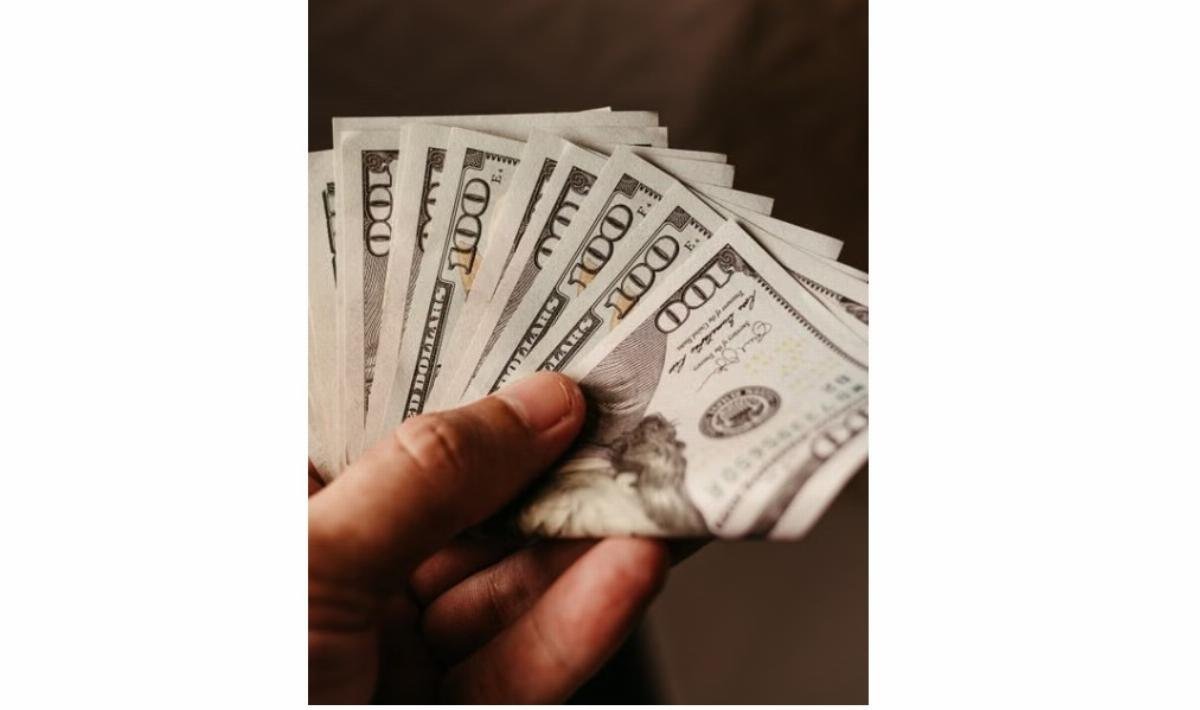
It isn’t every day that a Republican president finds a use for Obamacare, but that is roughly what happened on Sept. 10, when the White House announced it would send $500 per person to nearly 1,000,000 Americans who buy coverage on the federal exchange.
The checks go out in October — the same month early votes get cast in a midterm cycle that, according to one prominent poll, has just shifted in the GOP’s direction.
Where the money comes from
Writing in American Thinker, Joseph Ford Cotto describes the funds as unused surplus from exchange “user fees” collected during the Biden-Harris administration and passed along to consumers through higher premiums. The refunds are limited to the 30 states that use the federal marketplace, and they go specifically to people who received no premium assistance and therefore paid the full sticker price for their insurance.
Trump framed the move in a video posted to White House social media accounts Thursday morning, promoting what he has called his “Great Healthcare Plan.” According to the president’s remarks, nearly a million hardworking Americans across those 30 states will receive $500 each, mailed to their home addresses. His stated rationale: that these policyholders were overcharged and are simply getting their own money back.
That detail matters politically. The recipients are not the big-dollar donors who populate fundraising dinners with catered menus. They are, in Cotto’s telling, a broadly middle-class slice of the electorate — people who paid full freight for coverage and who, in many cases, have not been reliable Republican voters and have not reliably shown up for midterms at all.
The poll that changed the mood
The announcement arrived alongside a Harvard-Harris survey conducted Aug. 28–30, which put Republicans ahead of Democrats 51% to 49% on the generic congressional ballot among likely voters.
It is the first time that series has shown a Republican lead since October 2025. The same poll has moved steadily across the year: Democrats up 4 in March, up 2 in July, and now Republicans up 2 in August. The last time Trump sat in the White House during a midterm, in 2018, Harvard-Harris was among the more accurate pollsters in the field — and that August it showed Democrats ahead by a wide margin.
Even with Republicans roughly ten points better off than they were in that earlier cycle, Cotto is careful not to call it a mandate. A 51-49 country is a margin-of-error country, and the contests that decide the House and Senate are scattered across dozens of states with their own quirks and turnout patterns.
Which is precisely the argument for not treating a million refund checks as a small thing.
Why the calendar does the work
The pitch here is less about policy than about arithmetic. Voters who already agree with Republicans on fiscal restraint, on resisting an ever-expanding welfare state, and on self-reliance do not need another speech. They are already sold. The people who decide a 51-49 race are the ones who need a reason to bother voting — and a check arriving in the mail during the window when ballots are going out is a reason that is easy to explain at a kitchen table.
Cotto makes the comparison directly: $500 in October communicates more to an irregular voter than another address about the national debt, however important that subject may be.
The White House has also been signaling the broader rhetorical shift. At the first-ever midterm-season Republican National Convention, Trump emphasized common sense over ideological orthodoxy, and the rebate fits that frame. It does not make Obamacare a conservative institution. It does, in this reading, return an overcollection that went unused.
The rebate also sits alongside a longer list of health care items the administration has pursued: the Marketplace Integrity and Affordability Rule, eligibility verification measures in the Trump-signed Working Families Tax Cuts Act, hospital price-transparency enforcement, 26 drug deals covering nearly 90 percent of the branded market, and a $50 billion rural health investment. Those accomplishments speak to the party’s base. The $500 check is the one that a sporadic voter can repeat to a spouse without needing a briefing document.
The purity-test problem
There is an obvious objection from parts of the right, and Cotto addresses it head-on: that anything touching Obamacare deserves suspicion. His answer is that Trump is not asking Congress to expand the program. He is distributing money that was already collected and then left sitting unused. The distinction, in this argument, is the whole ballgame.
Close elections, Cotto writes, punish parties that spend their energy lecturing their own coalition about branding while the opposing side is out hunting for disaffected and atypical voters. Pragmatism may ruffle feathers, but it produces victories rather than the moral sort — which he describes as illusory.
Whether the maneuver works is an open question, and the author does not pretend otherwise. What he argues is that the combination — a refund timed for October, a generic ballot that just flipped from a Democratic edge to a Republican one, and a map full of tight races — is built for the unconverted voter and the irregular ballot-caster.
In a country split 51-49, that may be the whole maneuver. Democrats, Cotto notes, are treating it as serious. Republicans who want control of the House and Senate in January, he suggests, should stop fixating on the words “Obamacare” and “rebate” and consider what the checks are actually for.
Source: www.americanthinker.com — https://www.americanthinker.com/blog/2026/09/trump-finally-puts-obamacare-to-good-use/