
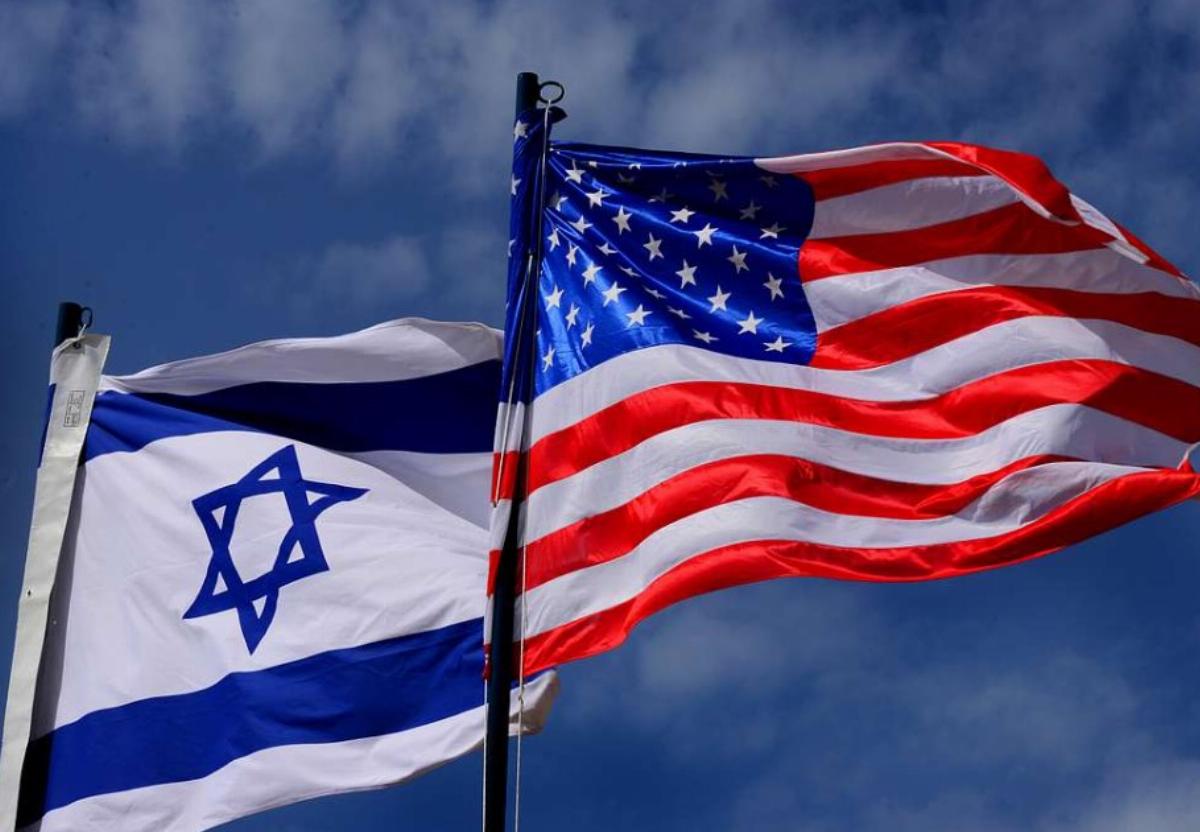
The fallout from the 2026 midterm elections has taken an unexpected turn, with Israel emerging as the unlikely scapegoat in Republican hand-wringing over their electoral drubbing. President Trump’s abrupt Election Day announcement that the U.S. would “cut off military aid to Israel by the end of the year”—though framed as fulfilling a prior agreement—has ignited a firestorm within conservative circles about America’s relationship with its closest Middle Eastern ally.
The Aid Cut That Backfired
Trump’s timing raised eyebrows across the political spectrum. His declaration during a Fox News interview came as polls closed nationwide, with many interpreting it as either a hasty concession to growing anti-Israel sentiment or an ill-considered attempt to shift blame for economic woes. While the $3.8 billion in annual aid had already been earmarked for phase-out under an agreement with Prime Minister Benjamin Netanyahu, the public framing as a unilateral withdrawal—amid soaring gas prices and inflation—gave ammunition to those arguing that support for Israel comes at America’s expense.
The practical impact may be less dramatic than the rhetoric suggests. Most military aid dollars flow back to U.S. defense contractors employing American workers, and Israeli technological innovations—particularly in aircraft systems—have long benefited Pentagon capabilities. But the political symbolism proved toxic in the election’s aftermath.

Vance’s Controversial Post-Mortem
Vice President J.D. Vance escalated tensions by directly linking the GOP’s losses to Israel policy. Citing internal polling, Vance claimed former Trump voters defected over four key issues: ending the Iran war, addressing cost-of-living crises, putting “America First,” and fundamentally changing U.S.-Israel relations. His analysis conspicuously omitted other factors like the administration’s unpopular tariff wars or the perception of mismanagement in the Iran conflict.
Critics accused Vance of scapegoating Israel to court both disaffected MAGA voters and the growing Democratic Socialist base—the latter increasingly vocal in anti-Israel sentiment. The DSA’s rise has coincided with alarming rhetoric; some candidates shared platforms with figures like Hasan Piker, who infamously claimed America “deserved” 9/11. As conservative commentator David Harsanyi noted, this represents an unprecedented mainstreaming of “Third World hatreds” within American politics.
The Qatar Connection
Adding fuel to the fire are unverified but widely circulated allegations about foreign influence. The 2019 “Qatar Papers” purportedly revealed a sophisticated buy-American influence campaign, with potential links to newly elected officials like Senator Abdulrahman El-Sayed—who has called for severing military aid to Israel—and far-left firebrand Zohran Mamdani. Some speculate Qatari money also fueled campus antisemitism through nonprofit intermediaries, though concrete evidence remains scarce.
Vance’s association with firebrand commentator Tucker Carlson—himself accused of Qatari financial ties—has further muddied the waters. The vice president’s apparent pivot toward Carlson-style isolationism suggests internal GOP power struggles ahead of 2028, with traditional pro-Israel conservatives now facing pressure from an insurgent faction willing to leverage anti-Semitic tropes for political gain.
A Dangerous Normalization
The article’s most chilling warning transcends electoral politics. Drawing parallels to pre-Holocaust Europe, it argues that mainstream acceptance of anti-Israel rhetoric—the “dual loyalty” accusations, disproportionate scrutiny of the Jewish state’s policies, and open calls to defund its defenses—represents a dangerous normalization of antisemitism. While veiled as criticism of a foreign government, this rhetoric increasingly targets American Jews by extension.
With Vance seemingly willing to flirt with these narratives for political advantage, and the DSA openly platforming activists who celebrate 9/11, the piece concludes with an urgent plea: The lessons of history demand combating, not appeasing, such hatreds—regardless of short-term electoral calculations.
Source: www.americanthinker.com — https://www.americanthinker.com/blog/2026/11/bad-midterms-and-israel-gets-the-brunt/
Source: www.americanthinker.com
Related coverage
- Austrian teen’s alleged rape of 14-year-old sparks call to ban Muslim immigration
- Wisconsin shocker: How Francesca Hong’s ‘coronation’ derailed — and what it signals for the Dems’ left-wing problem
- Williams Professor Argues Writing Isn’t Key to Thinking—Critic Says He’s Priming the Jury for AI Plagiarism
- Nidal Hasan Execution: American Thinker’s Ted Noel Argues Executions Should Be Public