
The World Professional Association for Transgender Health (WPATH), whose standards have been treated by regulators as near-scriptural authority on transgender medicine, is now telling a federal court that its guidance is hardly settled science at all — just one side of a highly uncertain debate.
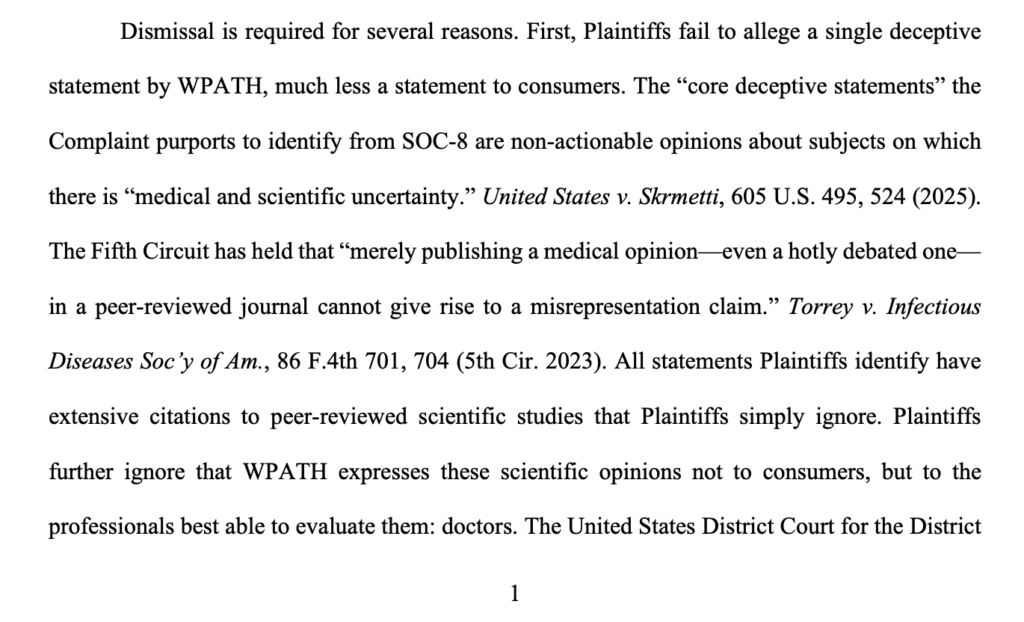
In a motion to dismiss a deceptive practices lawsuit filed in June by the Federal Trade Commission and the states of Alaska, Iowa, Nebraska, and Texas, WPATH argues that its “Standards of Care” are merely an opinion, not a binding set of rules. The organization says its guidance, including the eighth edition known as SOC-8, is intended to be “flexible” and that physicians bear “independent responsibility” for how they apply it.
From Stone Tablets to a Buffet
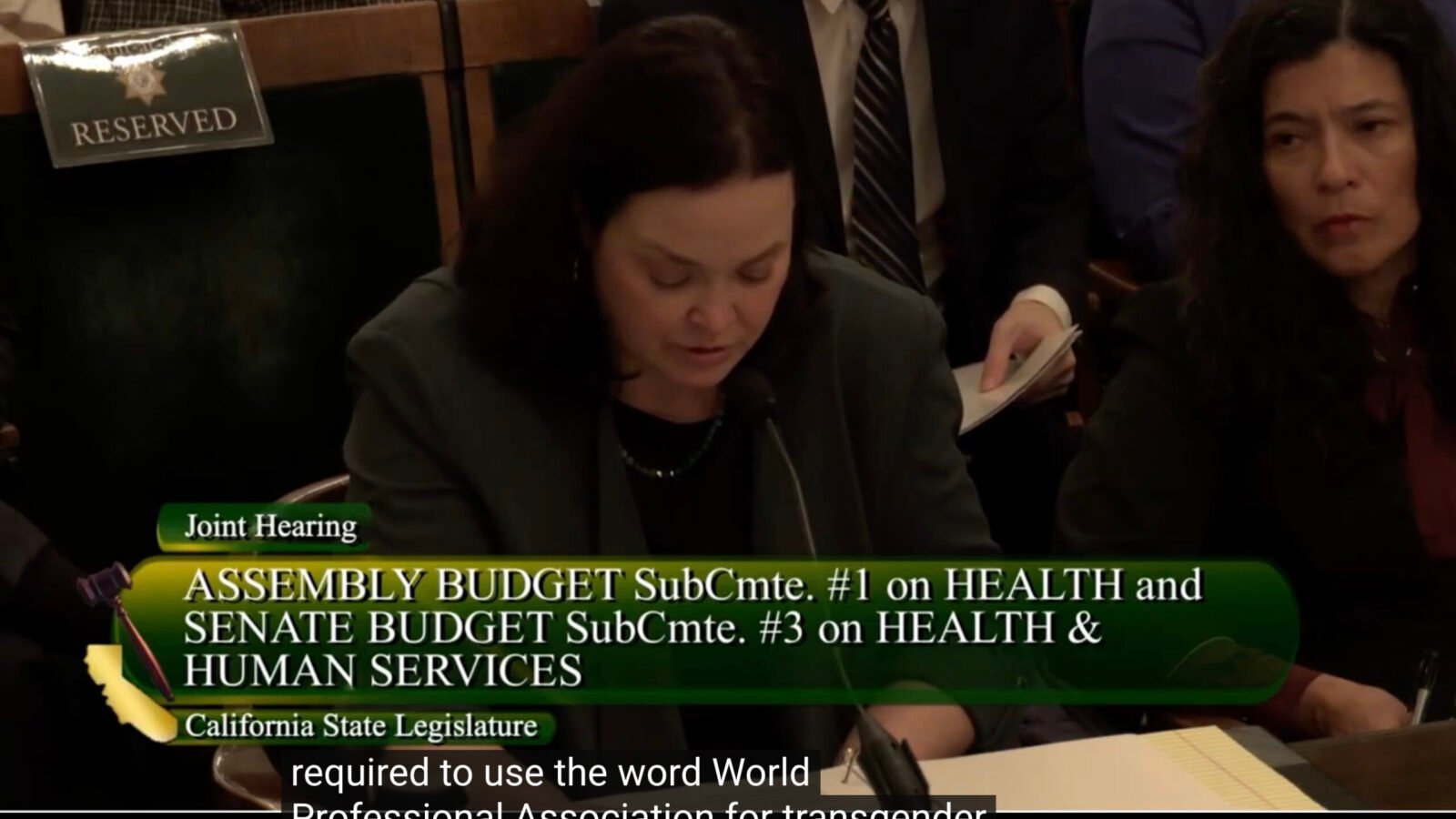
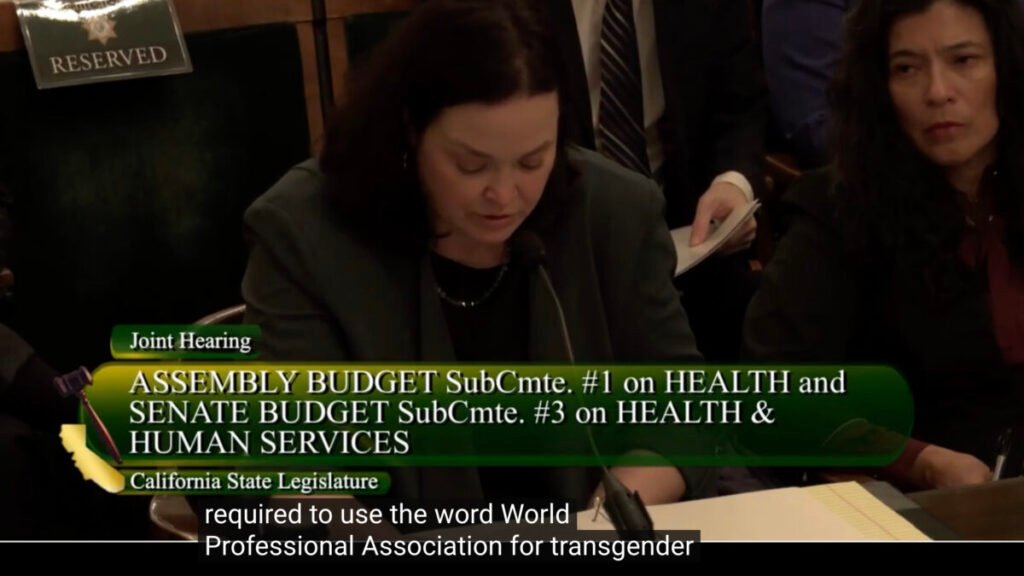
The concession marks a sharp reversal from how WPATH standards have been deployed in state regulation and insurance mandates. As The Federalist has documented, California regulators have relied on WPATH guidelines as if they were immutable scientific commandments. In April, a legislative hearing in Sacramento featured health care regulators citing WPATH as the expert-established authority for medical necessity determinations.
“Plans are required to use the clinical criteria developed by nonprofit associations for the relevant clinical specialty when making medical necessity determinations,” one regulator testified. “For services to treat gender dysphoria, health plans are required to use the World Professional Association for Transgender Health, or WPATH, guidelines.”
That language has been operationalized through California’s All-Plan Letter and Independent Medical Review processes, effectively forcing insurers to cover an expansive menu of transgender procedures — including cosmetic surgeries like breast implants and hair transplants — as medically necessary. The Federalist reported last week that these bureaucratic tools have pried open the state’s insurance market to fund what critics call “trans everything.”
But in its court filing, WPATH paints a very different picture of its own work. The brief states that SOC-8 “rejects a ‘one-size-fits-all’ approach” and acknowledges that individual transgender patients “may need to undergo all, some, or none of these interventions” depending on their circumstances. It says the guidelines are meant to be “flexible” and explicitly encourage physicians to “modify” them based on a patient’s “unique anatomic, social, or psychological situation.”
In other words, WPATH now says it is offering suggestions — a menu doctors can pick from or ignore — rather than a definitive standard of care.
A Legal Strategy With Political Ripple Effects
The timing is conspicuous. WPATH is defending itself against allegations that it misled consumers and regulators about the evidence base for gender transition interventions, particularly for minors. By arguing that its standards are merely advisory, WPATH seeks to shield itself from liability — but in doing so, it undercuts the very premise that state regulators have used to mandate coverage and treatment protocols.

“Regulators are using WPATH standards as a set of absolutely certain and inflexible scientific rules at the exact moment that WPATH is shrugging and calling the whole thing a highly debatable guess,” noted The Federalist.
Legal experts following the case say the motion could have consequences far beyond the courtroom. If a court accepts WPATH’s characterization, it would weaken the foundation for policies that treat its guidelines as mandatory clinical criteria. State health departments, insurance commissioners, and judges who have cited WPATH as the gold standard may find themselves citing an authority that has disavowed its own certainty.
What WPATH Says
WPATH’s brief does not mince words about the state of the science. It describes transgender medicine as “an evolving field” marked by “a bunch of uncertainty and debate,” a characterization that sits uneasily with the organization’s public messaging over the years. The organization has long presented itself as the definitive voice on transgender health, and its standards have been incorporated into medical licensing exams, hospital protocols, and insurance coverage decisions worldwide.
In its motion, WPATH insists that its role is not to dictate practice but to offer “one set of suggestions that [physicians] can evaluate if they want to.” That framing, if adopted by the court, would effectively convert what regulators have treated as a rulebook into a mere reference text.
Political and Regulatory Fallout
The case lands at a moment of intense political scrutiny over transgender medicine. Several states have passed laws restricting gender transition procedures for minors, while others — including deep-blue California — have expanded access and mandated coverage. The FTC’s involvement signals federal interest in whether WPATH and affiliated providers have engaged in deceptive marketing about the benefits and risks of these interventions.
For critics of current policies, WPATH’s court filing is a gift. It provides a direct quote from the organization itself that undermines the “science is settled” rhetoric that has dominated regulatory proceedings. For defenders of transgender medicine, the motion is a tactical legal maneuver, not an admission that the guidelines lack evidentiary support.
But the contradiction is hard to ignore. In California, regulators have told insurers that WPATH standards are the indispensable measure of medical necessity — non-negotiable criteria that leave little room for clinical discretion. In federal court, WPATH says its criteria are flexible, individualized, and subject to physician judgment.
“This is exactly the opposite of the way WPATH standards have been used,” The Federalist observed.
What Happens Next
The motion to dismiss is pending before the court, which will decide whether the FTC and the four states have stated a viable claim. A ruling in favor of WPATH would end the case; a ruling against it could open the door to discovery and potentially force the organization to defend its internal deliberations and the evidence base for its recommendations.
Regardless of the outcome, the filing has already shifted the public record. WPATH has now formally disclaimed the idea that its standards are definitive scientific mandates. That assertion is now part of the legal record and can be cited in future proceedings — by insurers resisting coverage mandates, by legislators reconsidering oversight, and by families questioning the certainty of the advice they received.
As The Federalist notes, the episode marks “an important inflection point in the shamefully stupid descent into trans madness” — a characterization that reflects the publication’s editorial stance, but the underlying factual development is clear: the organization long treated as the ultimate authority on transgender medicine is now telling a court that its guidance is just a guess.
Source: thefederalist.com — https://thefederalist.com/2026/08/12/suddenly-the-radical-pro-trans-medical-organization-wpath-tells-a-court-that-its-just-guessing/