
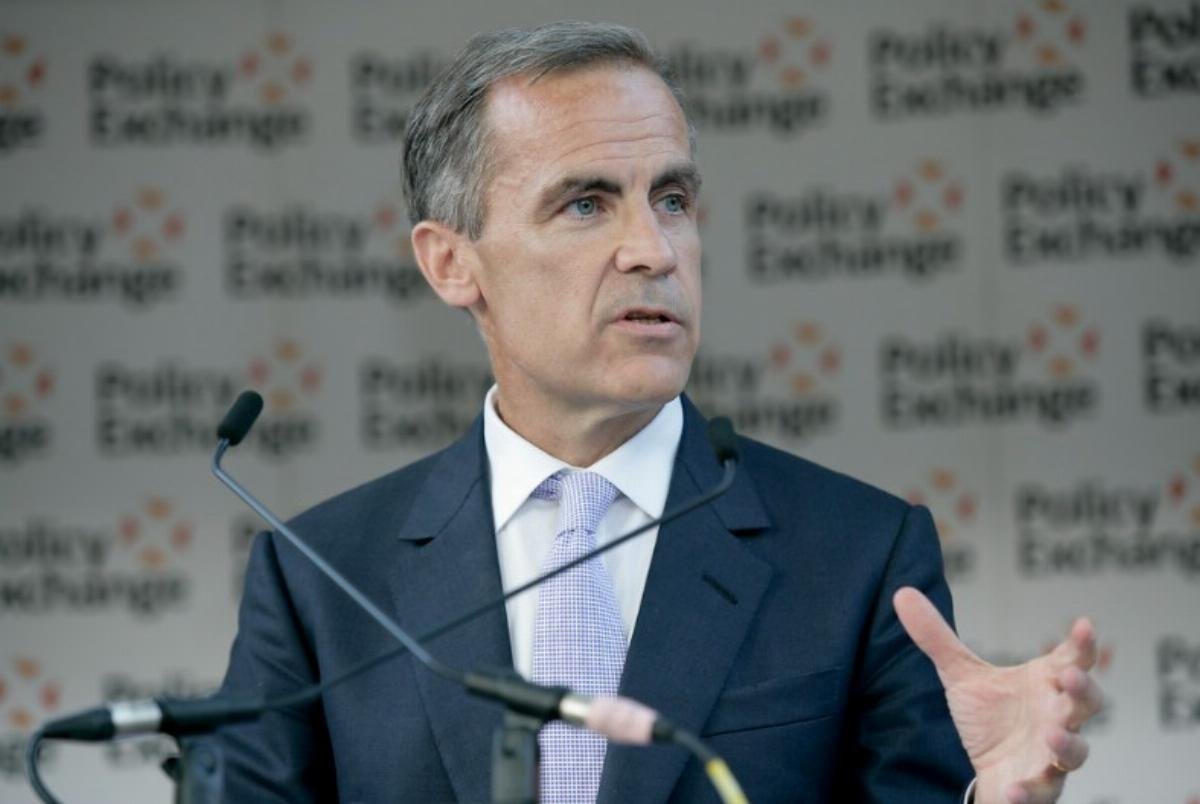
For years, the mantra from cable news anchors and Democratic strategists was a single word repeated like a drumbeat: Russia. After Donald Trump’s 2016 victory, the airwaves were saturated with warnings of foreign election interference, the Steele dossier, and special counsel Robert Mueller’s sprawling investigation. But now, according to a blistering new column in American Thinker, Canadian officials are openly discussing ways to influence American voters ahead of the 2026 midterms — and the same media voices that once screamed about Moscow are, in the words of the piece, not even whispering “Canada, Canada, Canada.”
The column, written by J.B. Shurk and published on August 30, 2026, argues that the Trudeau-era approach of cozying up to Washington has been replaced by something far more adversarial under new Canadian Prime Minister Mark Carney. And at the center of it all, the author claims, is a coordinated effort by Canadian leaders to interfere in U.S. elections — a charge that, if true, would seem to demand the same level of scrutiny once reserved for alleged Russian meddling.
Mark Carney’s Confrontational Turn
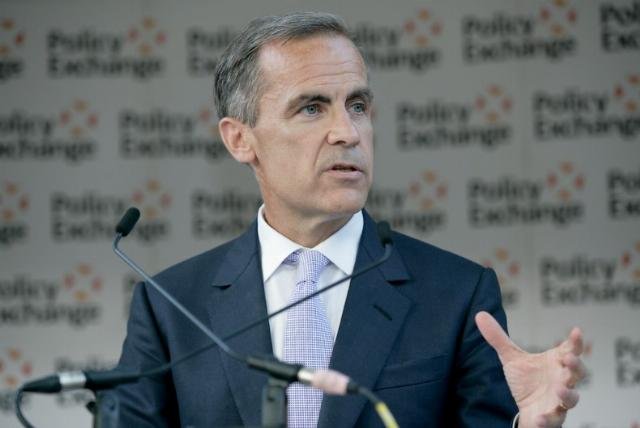
According to the column, Carney — a former governor of both the Bank of Canada and the Bank of England — has spent his premiership deliberately antagonizing the United States. The piece describes him as a leader who “has been on a mission to ruffle Trump’s feathers,” citing his moves to strengthen economic ties with China, his repeated characterizations of Canada as part of “Old Europe,” and his promises to “defend” Greenland from U.S. ambitions. The column also notes Carney’s pledges of additional support for Ukraine in its war with Russia, a conflict that Trump has sought to end.
Shurk paints a picture of a Canadian government that is simultaneously dependent on the U.S. for its security and economy while working to undermine American interests abroad. “If Carney wishes to strengthen communist China at America’s expense,” the column argues, “he cannot expect the U.S. to give Canada the most favorable trade terms of any nation in the world” — nor should he expect the U.S. military to defend Canada, or American taxpayers to foot the bill for Canadian national security.
The ‘Donut Strategy’ and Alleged Midterm Interference
The most explosive claims in the column center on what it calls the “Donut Strategy” — a plan supposedly advanced by Chrystia Freeland, a former Canadian trade negotiator and current unpaid advisor to Ukrainian President Volodymyr Zelenskyy. According to Shurk, Freeland has publicly argued that the best way to combat the Trump administration is to help Democrats in the upcoming midterm elections, and the column describes the approach as one that aims to “go around the White House and manipulate the American people.”
The piece also points to Canadian Industry Minister Mélanie Joly, who is said to be “strategizing with prominent Democrats around the country” on ways to undermine Trump’s trade policies. And it quotes Ontario Premier Doug Ford as not only pledging to interfere in the U.S. midterms but also telling Trump to “kiss his ass.”
“In other words,” Shurk writes, “all the Canadians who whine about President Trump not respecting Canadian sovereignty have absolutely no respect for American sovereignty.”
A Tale of Two Interference Narratives
The column’s central grievance is the hypocrisy it perceives in media coverage. After the 2016 election, the author writes, Americans were subjected to years of “Russia, Russia, Russia” — a narrative that ultimately produced the Mueller investigation and what Shurk calls the “Russian Collusion Hoax.” Yet now, with Canadian officials openly admitting to manipulating American voters, the response from the press has been, in the author’s view, a collective shrug.
Shurk draws a direct line from the Steele dossier — compiled by former British intelligence officer Christopher Steele and funded by the Hillary Clinton campaign — to the current alleged interference. He also recalls former White House Russia expert Fiona Hill’s testimony during Trump’s first impeachment, in which she insisted that Russia meddled in 2016. The column asks, rhetorically, whether Steele and Hill will now testify about Canada’s election interference, and answers: “Let’s not hold our breath.”
The piece is unsparing in its characterization of Canada’s posture toward the U.S., comparing the country’s situation to that of a vassal state — one that relies on American military protection and economic goodwill even as it pursues policies that undermine U.S. interests. Shurk reserves particular scorn for Freeland, calling her “Canada’s Hillary Clinton” and mocking her recent denunciation of the U.S. for treating Canada as a vassal state.
“Since Canada is not economically or militarily viable without enormous welfare assistance from the U.S., Canada is a vassal state,” Shurk writes. “Pretending otherwise is absurd.”
Sovereignty as a One-Way Street
At its heart, the column is an argument about sovereignty — and the author believes Canada’s claims to it are hollow. Shurk describes a country that squares its insistence on independent foreign policy with its reliance on U.S. defense guarantees, and that censors American news sources even as it expects to export freely to the American market. He sees in Carney’s pivot toward China, the UK, and the EU a choice that proves the very dependency Carney’s rhetoric denies.
“Carney can’t beg for help from General Secretary Xi Jinping, King Charles III, and Queen Ursula von der Leyen without making Canada a vassal state of communist China and Old Europe,” the column asserts. The author goes further, questioning Canada’s self-image as a “middle power,” writing: “Canada is not a ‘middle power’ because it has no power.”
The column’s tone is deliberately provocative, and its claims — particularly about covert Democratic collusion with Canadian officials — are made in the language of polemic rather than careful journalism. But the underlying question it raises is one that transcends any single election: whether the media’s intense focus on foreign interference, so prominent during the Trump years, has been applied consistently — or only when it serves a particular political narrative.
For now, the column suggests, Canadians are interfering in American elections with impunity, and the national conversation that once consumed the country with talk of Russian hackers and campaign collusion is nowhere to be found.
Source: www.americanthinker.com — https://www.americanthinker.com/articles/2026/08/russia-hoaxers-quiet-about-canadian-election-interference/