
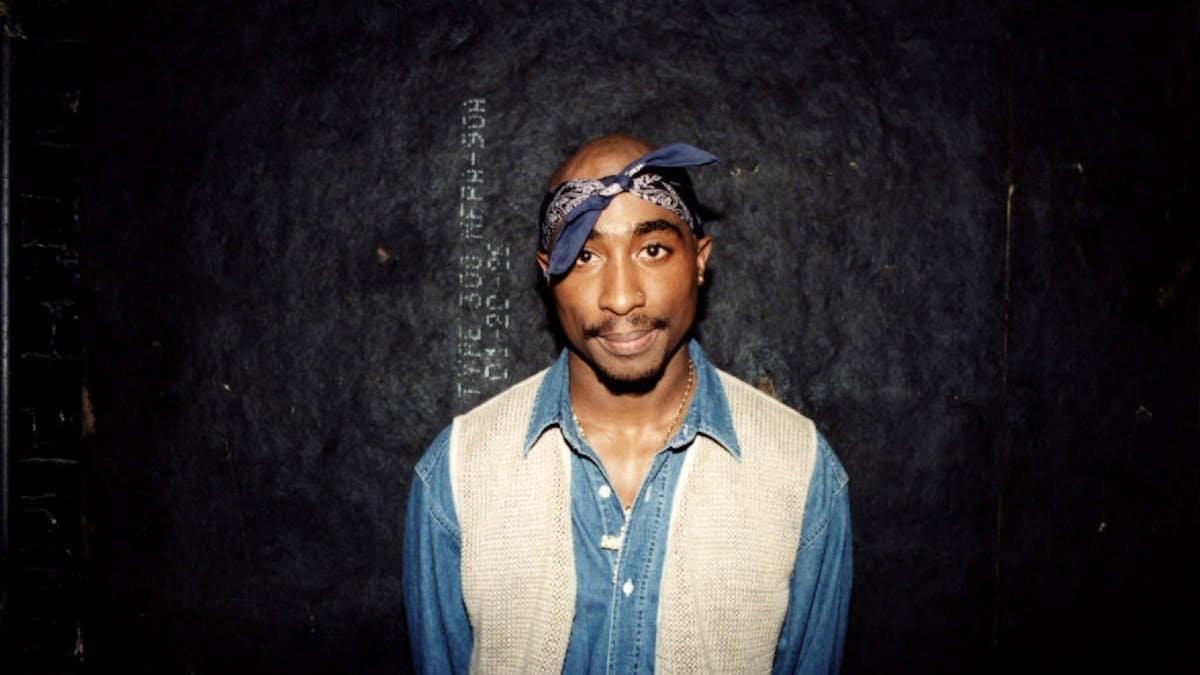
A Las Vegas jury on Monday convicted Duane “Keffe D” Davis of first-degree murder in the 1996 killing of rapper Tupac Shakur, finally closing the books on one of the most notorious unsolved murders in hip-hop history after nearly three decades.
Davis, 63, was found guilty of murder with the use of a deadly weapon and with the intent to further or assist a criminal gang, according to court proceedings. The jury deliberated for roughly three hours after closing arguments before returning the verdict, delivering a decisive outcome in a case that has haunted the music world for almost 30 years.
The former leader of the South Side Compton Crips is the only person ever charged in Shakur’s death. He now faces the possibility of spending the rest of his life behind bars.
Prosecutors did not allege that Davis was the triggerman. Instead, they argued that he orchestrated the retaliatory attack and supplied the gun used to kill the 25-year-old rapper, who died six days after being shot on September 7, 1996.
The night of the shooting
The fatal shooting unfolded against a backdrop of overlapping rivalries that defined mid-1990s hip-hop’s most dangerous feud — the East Coast–West Coast battle between Death Row Records and Bad Boy Records, intertwined with a street-level war between two Los Angeles-area gangs: the South Side Compton Crips and Mob Piru, a Bloods-affiliated set.
Hours before the shooting, Shakur and Death Row founder Marion “Suge” Knight were captured on surveillance footage attacking Davis’ nephew, Orlando “Baby Lane” Anderson, inside the MGM Grand hotel after a Mike Tyson boxing match. Anderson was a member of the South Side Compton Crips.

Prosecutors said Davis, Anderson, and two other men went “hunting” for Shakur after that confrontation and located him and Knight while they were driving. Someone inside a white Cadillac opened fire, striking Shakur four times and grazing Knight’s head with a bullet. Shakur was pronounced dead six days later.
Davis’ own words sealed the case
The decades-long investigation leaned heavily on Davis’ own statements. In a 2008 proffer agreement — a deal that grants limited immunity in exchange for truthful testimony — Davis apparently misunderstood the terms and repeatedly discussed the case publicly, placing himself inside the Cadillac during the shooting.
He detailed his involvement in interviews, documentaries, and his 2019 memoir, Compton Street Legend. In those accounts, Davis said he handed the gun to the men in the back seat of the Cadillac, a statement that prosecutors and police used to paint him as the “shot caller” who masterminded the deadly ambush.

Despite the incriminating admissions, Davis’ defense team argued that his statements were essentially fiction — a fabrication designed to make money and bolster his street credibility. Defense attorney Michael Sanft told jurors that Davis had not been charged years earlier because investigators “knew he was full of crap.”
Sanft emphasized that prosecutors had no murder weapon, no DNA, no fingerprints, and no physical evidence placing Davis at the scene. The case rested almost entirely on his client’s own words, which the defense insisted were lies.
A quiet courtroom, a clenched fist
According to CNN, there were no audible reactions in the courtroom when the verdict was read. But Tupac’s sister, Seiyiwa “Set” Shakur, wept quietly as the decision was announced. Davis briefly raised his fist as he was led out of the courtroom.
Judge Carli Kierny ordered Davis to remain in jail until his sentencing, which is scheduled for October 13.
The conviction marks a dramatic turn in a case that had gone cold for decades, reviving painful memories for fans who have long demanded justice for one of rap’s most influential voices. Shakur’s music and legacy continue to resonate, and the verdict offers a measure of closure to a chapter that had seemed destined to remain unsolved.
Source: www.dailywire.com — https://www.dailywire.com/news/jury-reaches-verdict-in-tupac-murder-trial-30-years-after-his-death