
A single holdout juror refused to join the other 11 in finding Lindsay Clancy not guilty by reason of insanity in the deaths of her three young children, forcing a mistrial and drawing raw frustration from the jurors who wanted to acquit — frustration now spilling into televised interviews and a broader political argument about who gets to define expertise.
Clancy, 36, was accused of strangling Cora, 5, Dawson, 3, and Callan, 8 months, with exercise bands in the basement of the family’s home before attempting to take her own life. Her defense argued that a combination of prescription medications drove her into a state of postpartum psychosis. The jury ultimately told the judge it was deadlocked after roughly 40 hours of deliberations, and a mistrial was declared.
The jury speaks
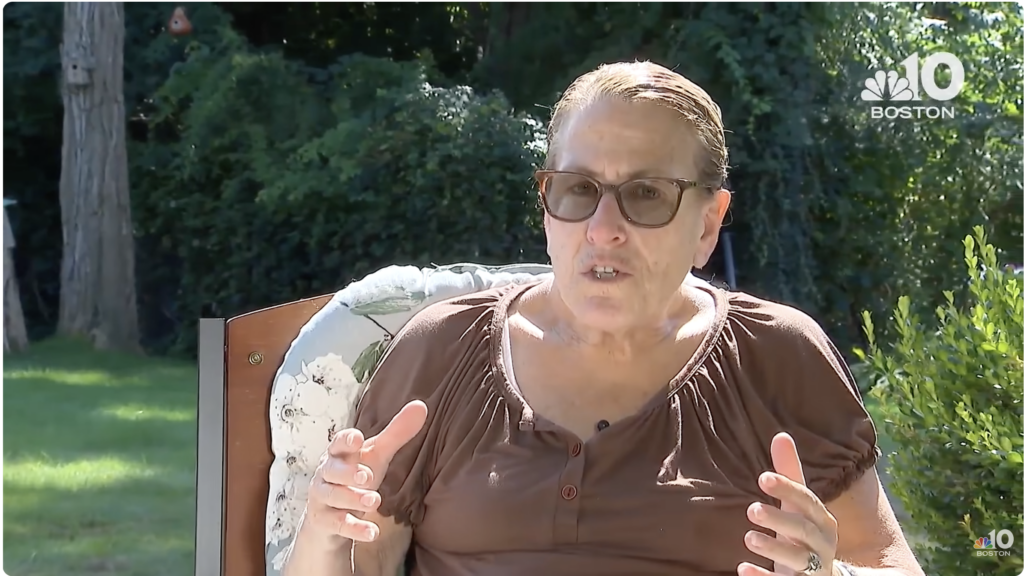
Jurors who favored acquittal described the deliberations to Boston’s NBC 10 in an exclusive interview this week. Kellie Farina, a senior center chef, said the dissenting man simply would not accept the majority’s reading of the case, even after the panel repeatedly read aloud Judge William Sullivan’s instruction on reasonable doubt.
“We read to him on numerous occasions the definition of reasonable doubt from Judge Sullivan’s instruction,” Farina said, according to the station. She recounted that at one point the juror suggested summoning the judge to read the definition again, prompting the others to respond that the text was already in front of them.
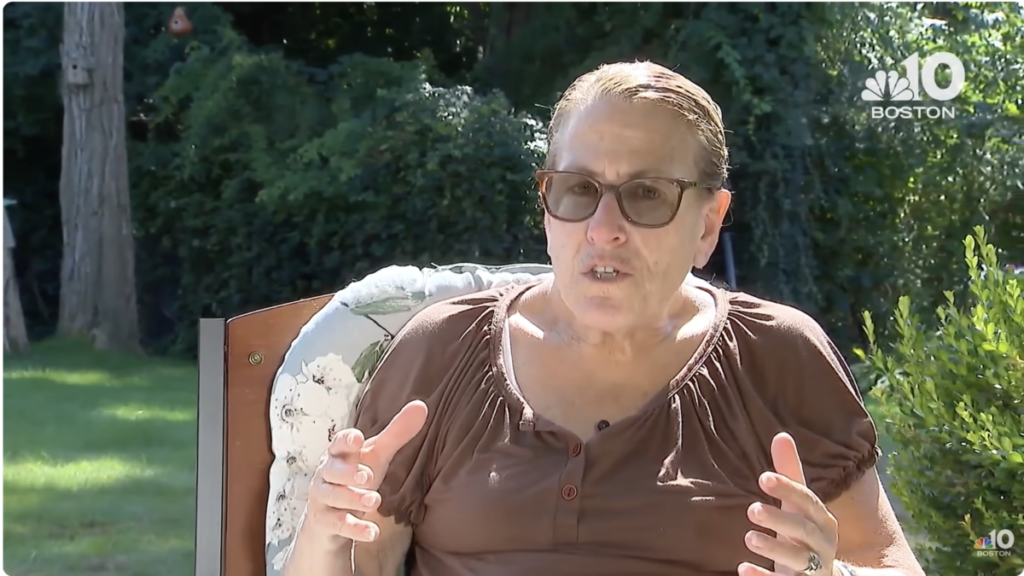
Fellow juror Paula Devlin, who works for a defense contractor, called the holdout “very arrogant” and complained that he disregarded the toxicology report and the nurses on the panel who interpreted it.
“We had the toxicology report. We could see exactly the amount. The nurses in the room … spoke to that very thing,” Devlin told the outlet. “And he just completely disregarded the information that they gave him.”
A fourth juror, who asked not to be identified, offered a somewhat different read of the standoff in comments to Boston CBS affiliate WBZ-TV, saying the pro-acquittal side held its position from the start and that the room contained “big personalities.”
“So, I’m going to kind of defend that individual in a sense,” the woman said of the holdout. “There were some big personalities in that room. But at the end of the day, it just came down to an inability to move past your convictions.”

Jury forewoman Roni Carlson, a retired fifth-grade teacher, told NBC that managing the deliberations was harder than teaching school and said she was “so excited” as she began filling out verdict forms, believing all 12 were aligned.
“I wrote my signature on each one, and then he said, ‘But I’m still not going to say that she’s not guilty by reason of insanity,'” Carlson told the station. She added that she was “so sad” the jury “couldn’t come up with a verdict for Lindsay.”
According to The Federalist’s account of the interviews, the majority sent a message to the judge stating that the dissenting juror was not following the court’s legal instructions.
A familiar argument about expertise
For The Federalist, the Clancy jury fight is a rerun of a much older argument. In its telling, the majority’s insistence that the holdout defer to the toxicology report, the expert testimony, and the clinicians in the room echoes the pandemic-era demand to “trust the experts” — and the pressure campaign against those who refused.
The outlet invoked former House Speaker Nancy Pelosi’s exhortations to “listen to the scientists” and former White House COVID adviser Anthony Fauci’s admonition that it was “time to do what you’re told,” drawing a parallel between juror dissent and the lockdown skeptics it says were censored for questioning official guidance. It argued that figures like Mask and vaccine mandates, it wrote, bore the same absolutist spirit as a jury majority that treated internal disagreement as defiance.
That framing is a matter of political interpretation, and it runs through a case that has divided observers far beyond the courthouse — including supporters of Clancy whose presence was noted at the trial, where pink clothing became an informal symbol of sympathy for her. The Federalist described those supporters as “Lindsay Clancy fangirls” crying into their TikTok accounts after the mistrial.
What remains unresolved
No verdict was ever returned. Prosecutors now face a decision about whether to retry Clancy, and if they do, the same contested questions — what the toxicology evidence establishes, whether state law supports an insanity defense on these facts, and how a jury should weigh a mother’s mental state against the deaths of three children — will be litigated again.
The holdout juror has not been publicly identified. His reasoning is known only through the recollections of jurors who wanted to acquit him — recollections offered on camera, in some cases weeks after the trial ended, and delivered with visible strain.
What the deadlock left behind is a defendant still facing the possibility of another trial, three children who remain the reason any of this matters, and a jury room that became, briefly, a national proxy fight over the meaning of doubt.
Source: thefederalist.com — https://thefederalist.com/2026/09/10/lindsay-clancy-jurors-are-reminiscent-of-the-covid-cult/