
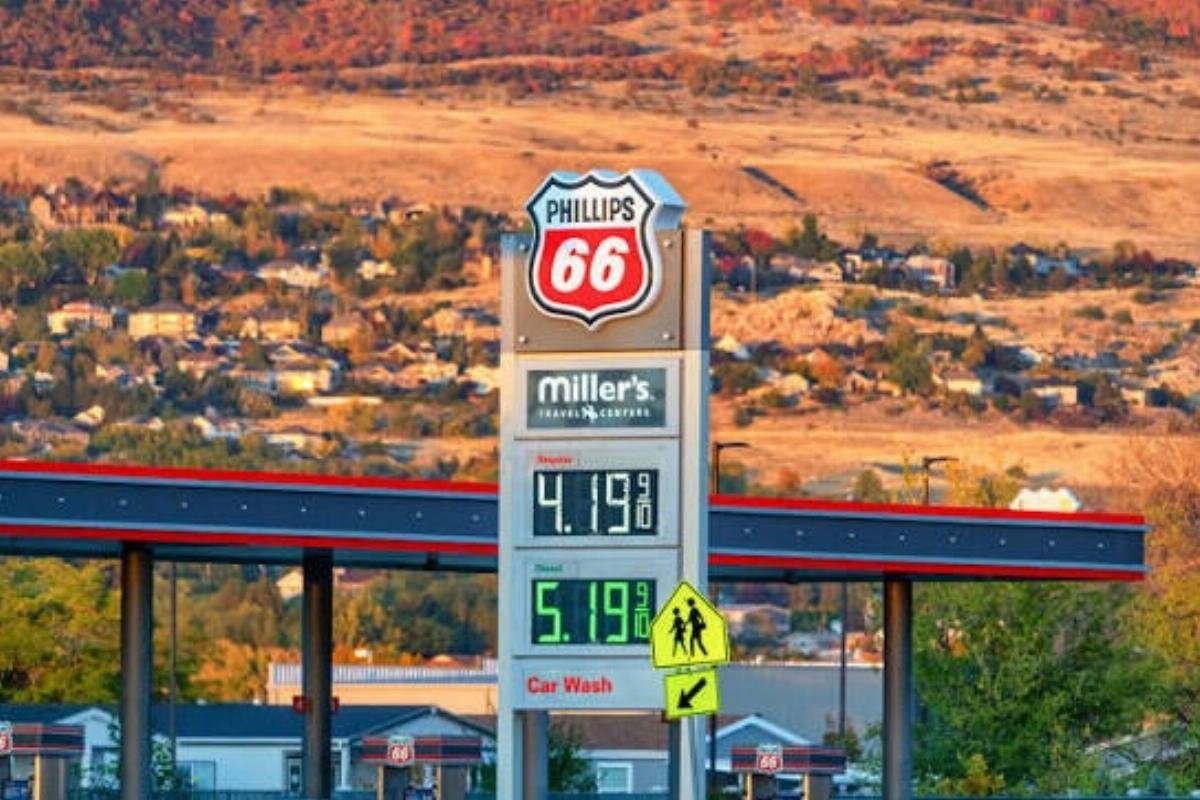
The case for Republican midterm success may run on diesel, not on cash. That’s the argument in a new commentary from American Thinker, where author Noel S. Williams contends that the party’s fortunes are tethered less to any single policy proposal than to the price displayed on fuel signs across the country.
Williams opens with a blunt equation: when oil prices — diesel especially — fall, markets rise, consumer sentiment improves, and Republican electoral odds improve with them. The reverse, in his telling, is just as mechanical. Because diesel powers the movement of goods, its price feeds disproportionately into the broader inflation picture, and that is precisely the terrain on which he believes the left is winning the affordability argument.
Against the $5,000 check
The piece takes direct aim at an idea Williams describes as an unlikely, inflationary, and imprudent $5,000 handout to American citizens contingent on Republicans winning the midterms. Rather than dangle that promise, he writes, the party’s energy should go into pulling gas and diesel prices down. The latter, he stresses, is the one that matters most for the freight and logistics that carry goods through the economy.
On the question of whether oil companies are gouging consumers, Williams is skeptical. President Trump, he notes, has jawboned the industry over the issue, but the author says there is no clear evidence of gouging. He suggests a different instrument instead: the International Emergency Economic Powers Act (IEEPA).
That law, as Williams describes it, allows the government to regulate or prevent exports during a declared national emergency tied to an unusual and extraordinary threat to the U.S. economy. He argues the current fuel landscape may fit that description.
A global market, and a domestic producer
There is a paradox at the center of his argument. The United States is the top diesel-producing country in the world, yet Americans still pay prices set in a global marketplace. Because refiners can sell to the highest bidder, Williams writes, disruptions abroad — refinery outages tied to geopolitical conflict, including Ukrainian strikes on Russian diesel refineries, alongside Middle East tensions — can pull U.S. product toward foreign buyers and tighten supplies at home.
Williams acknowledges a significant legal obstacle. The Supreme Court struck down the use of IEEPA when it came to tariffs, he notes. But he presses the distinction: who can deny, he asks, that soaring oil prices — diesel above all — present a threat to the U.S. economy? He frames the question as one the Court’s tariff ruling does not necessarily answer.
The electoral math
From there the commentary moves from policy to politics. Williams describes an even bigger threat than high fuel costs as the socialists he says are masquerading as Democrats — adding that the pretense is off. As long as diesel prices stay elevated and keep contributing disproportionately to inflation, he argues, the better those candidates fare at the polls in November.
His prescription includes clearing away any remaining ESG constraints on refiners. The line he uses to make the point is a deliberate jab: it is Diesel, not DEI-sel. He calls the price of diesel nearly parabolic and says it is further gassing what he terms the socialist affordability narrative. Should that narrative translate into votes, Williams writes, it would itself constitute a national emergency.
What the piece is and isn’t
It is worth being clear about the nature of this argument. This is a commentary built on the author’s own reasoning about incentives, markets, and electoral behavior — not a reported investigation. The claims about price gouging, the effects of IEEPA, and the political consequences of diesel prices are assertions and predictions offered by the writer, not findings from new reporting. The $5,000 handout is referenced as a proposal Williams opposes; the piece does not cite a specific bill, sponsor, or legislative text for it.
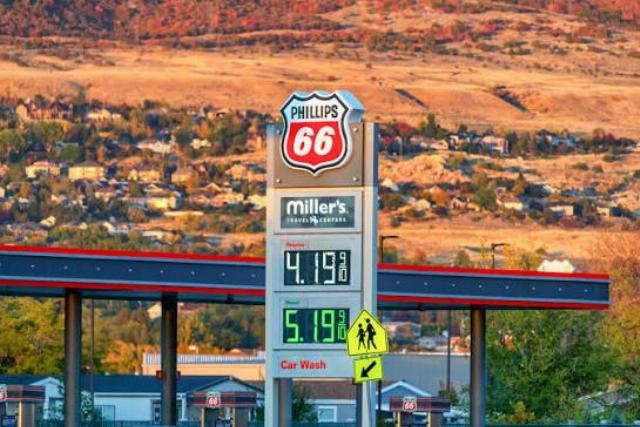
Where the commentary does lean on real-world developments, it does so briefly. It points to geopolitical conflict tightening supplies and to Ukrainian strikes on Russian diesel refineries as factors in the global market. It notes the Supreme Court’s rejection of IEEPA as a tariff authority. And it rests on the widely observable fact that diesel is a global commodity whose price American consumers do not set alone.
The through-line is an electoral one. Williams’ core claim is that the affordability message — and the fuel prices that validate or undercut it — will matter more in November than any check the government might promise. Whether invoking emergency export powers would actually lower pump prices, and whether voters would credit Republicans for trying, are questions the piece raises without resolving.
What it does resolve is the author’s preferred strategy: skip the handout, target the fuel, and treat the price of diesel as a political variable worth fighting over. For a party heading into a midterm election with inflation still a live concern, that is less a policy brief than a warning — the numbers on the sign may end up mattering more than anything on the stump.
The commentary closes by returning to a broader theme the publication returns to often: the importance, as Williams puts it, of the ability to speak our minds, which he calls crucial to the republic. It is a familiar closing note for American Thinker, and here it doubles as a pivot away from the technical mechanics of export controls and back toward the outlet’s larger argument about speech and politics.
Taken as a whole, the piece is a window into one strand of right-leaning economic thinking ahead of the midterms: that affordability, measured at the fuel pump and in the cost of moving goods, is the battlefield, and that emergency economic powers — however legally contested — deserve a look before another round of direct payments does.
Source: www.americanthinker.com — https://www.americanthinker.com/blog/2026/09/diesel-in-distress/