
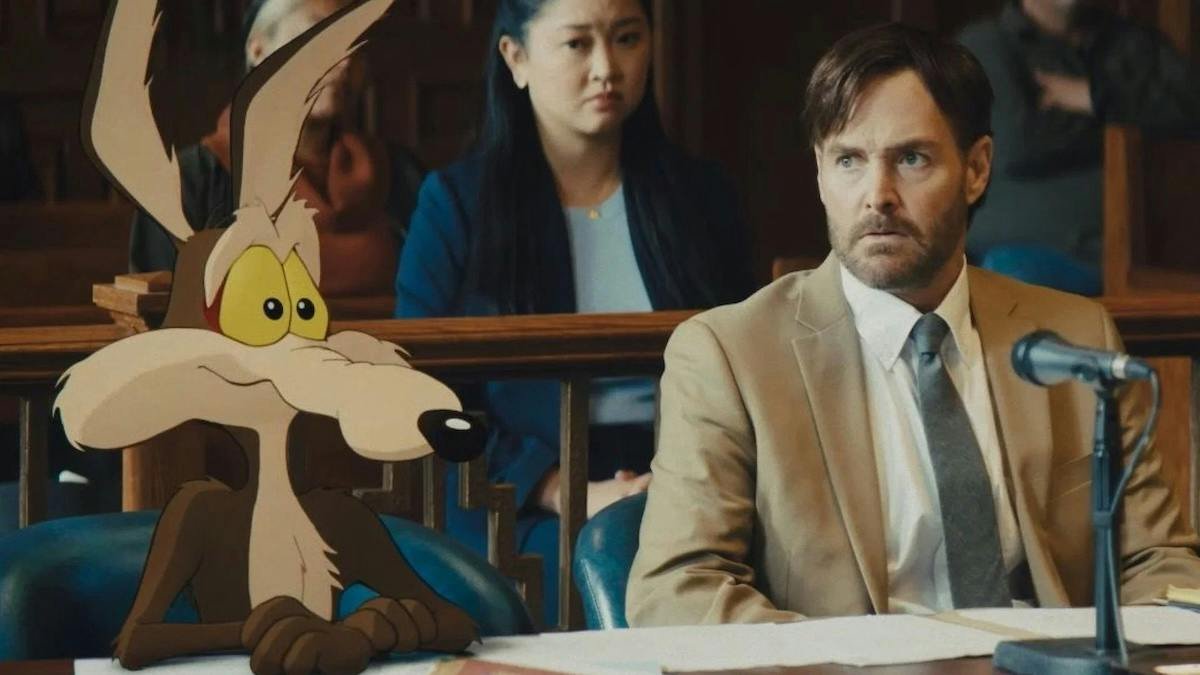
A finished Warner Bros. film that the studio once chose to lock in a vault rather than release is getting a second life this summer. According to The Daily Wire, “Coyote vs. Acme” — a PG-rated comedy built around the Looney Tunes universe — will be distributed by an independent company, three years after Warner Bros. announced it would shelve the movie, take the loss, and collect a tax write-off instead.
The decision to bury a completed film drew an unusual level of attention at the time, and it produced at least one dedicated protest. As The Daily Wire reports, a lone demonstrator picketed the Warner Bros. lot carrying a Coyote-inspired sign that read, “Release me!!” The film, which takes aim at corporate greed and the treatment of the little guy, attracted a cult following even before most people had a chance to see it.
From a New Yorker spoof to the big screen
The premise has roots in print. The humor writer Ian Frazier published “Coyote V. Acme” in The New Yorker in 1990, imagining a lawsuit filed by Wile E. Coyote against the Acme Corporation, the mail-order supplier whose faulty products — rocket skates, magnetic gloves, backfiring freeze guns — consistently thwart his pursuit of the Road Runner. Warner Bros. later acquired the material, according to The Daily Wire’s account, and the comedic courtroom drama took shape from there.
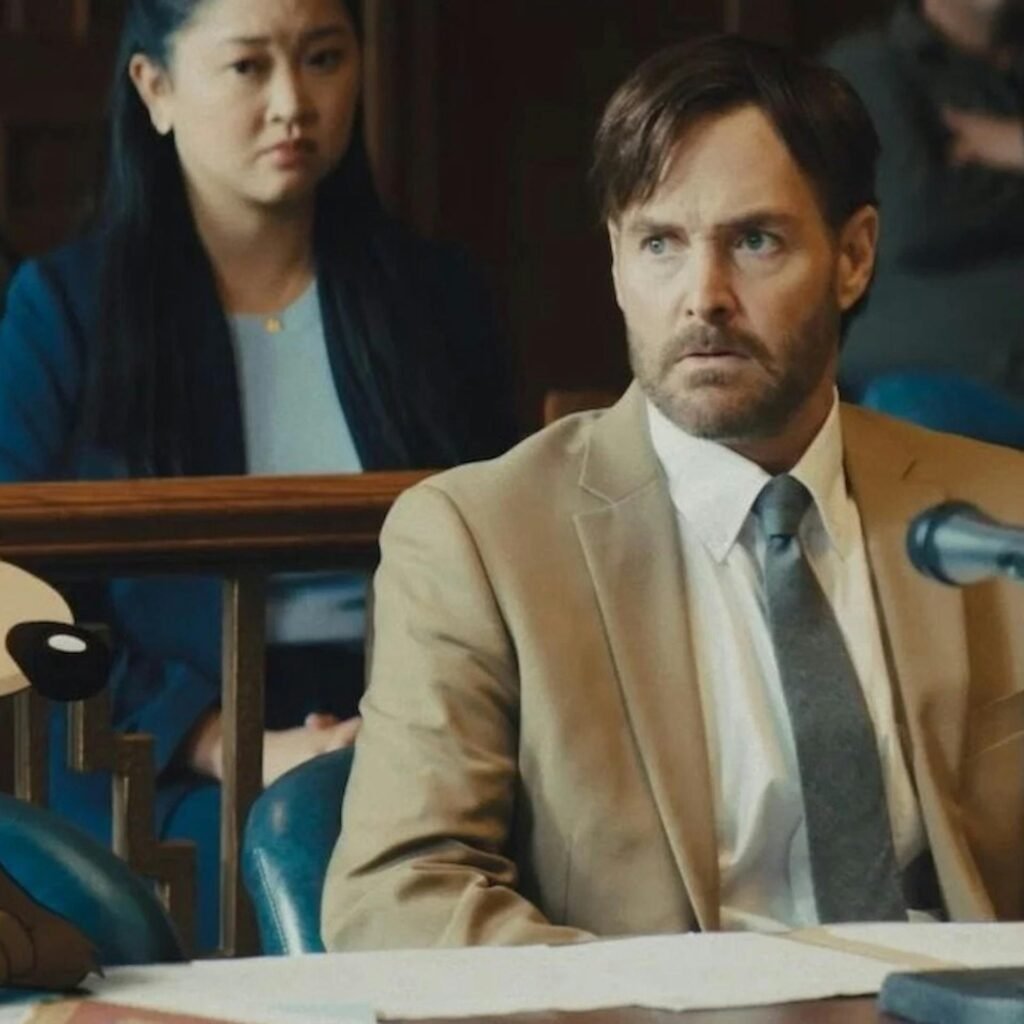
In the film, a Road Runner caper goes wrong once again and an infomercial catches Coyote’s eye on his television screen. He seeks out Kevin Avery, a small-time lawyer whose practice revolves around pressing big companies like Acme into modest settlements — the kind of work driven less by ambition than by a fear of failure.
That changes when Coyote slips a box of compromised merchandise into the evidence pile. What Avery intended as a $300 demand instead becomes a sprawling lawsuit against a corporate giant, and it turns him into a national figure known as the man taking on a monopoly. After some hesitant coaxing, he rises to the occasion.
A cast built for the courtroom
Will Forte plays Kevin, with Lana Condor as his niece — an Oxford-trained lawyer who turned down a big firm because she wanted to help ordinary people. John Cena appears as Acme’s attorney, a performance The Daily Wire describes as capturing the laughable narcissism of executives who believe they are too big to fail. Coyote himself, faithful to the original shorts, never speaks, though he still manages punchlines by way of his trademark white paper signs.

The film leans into slapstick — shattered glass panes, foot-long lumps rising from cartoon heads — but it also pauses on quieter moments. At one point Kevin tells Coyote, “I envy you, really. It must be nice to have such a clear goal,” a nod to the coyote’s refusal to abandon a chase that has never once ended in his favor.
That persistence is tested near the end of the film. The following paragraphs contain spoilers.
A congressional hearing and an unexpected witness
At a congressional hearing, Acme CEO Foghorn Leghorn defends the company’s experiments on cartoon animals as the price of progress and demands to know whether anyone actually cares about the fate of the cartoons — the Coyote in particular. “Is there anyone in the whole wide world who cares what happens to the Coyote at all?” he asks.

Then, amid a flurry of papers and his signature “beep beep,” the Road Runner arrives. Coyote, who has quietly engineered the case as a means of finally reaching his quarry, is left more speechless than usual. Kevin asks the Road Runner whether he has witnessed Coyote’s pain and suffering; the answer is an affirmative “beep beep.” Asked whether he would consider Coyote a friend, the Road Runner answers yes, and the predator’s eyes fill with tears.
The ending reframes the long-running chase as something closer to interdependence — the coyote needs the roadrunner, the way Tweety needs Sylvester or Batman needs the Joker. The Daily Wire frames that as one of the film’s warmest ideas, along with its argument that downtrodden people need good lawyers to take on corporate injustice, and that original, heartfelt movies need champions to keep them from languishing unseen.
For a project that a studio once decided was worth more as a tax deduction than as a release, the path to theaters has been anything but conventional. It now appears to be ending the way the film’s own plot suggests: with the underdog, at long last, getting a day in court.
Source: www.dailywire.com — https://www.dailywire.com/news/the-family-movie-hollywood-tried-to-bury-is-finally-getting-its-revenge