
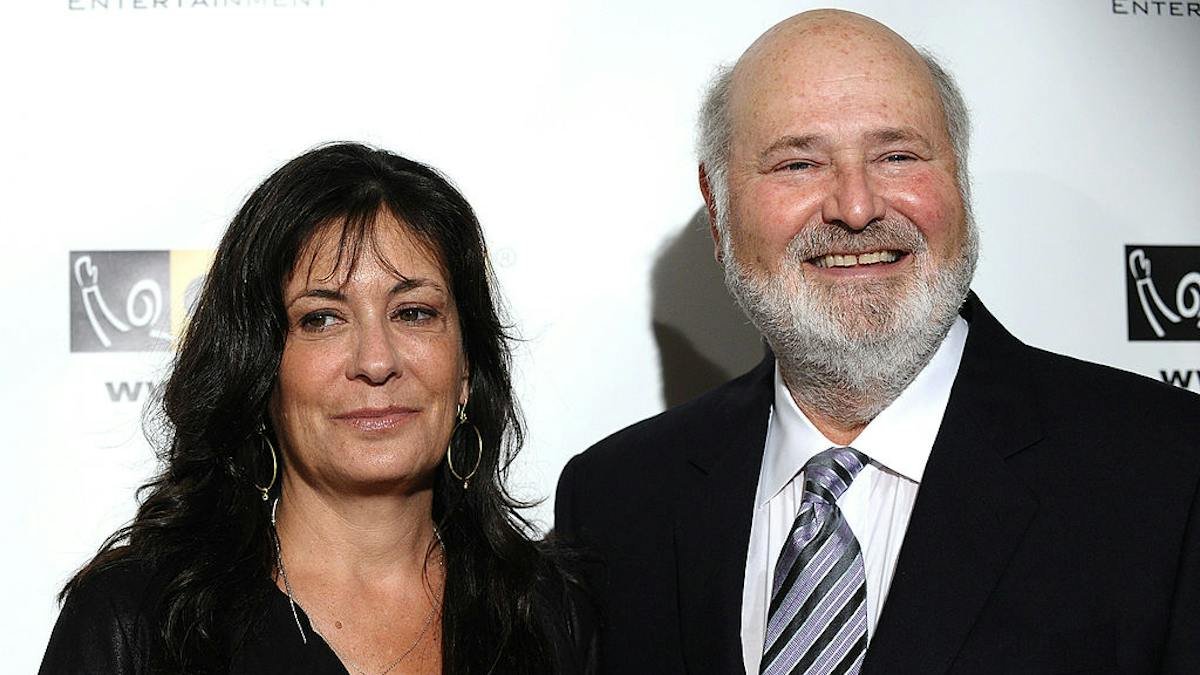
Los Angeles County District Attorney Nathan Hochman will not seek the death penalty against Nick Reiner in the killings of his parents, actor-director Rob Reiner and photographer Michele Reiner, according to reporting from TMZ. The decision, first reported by the entertainment outlet, removes the most severe possible sentence from a case that had initially qualified for capital punishment under California law.
According to TMZ, Hochman’s reasoning rested on two considerations: respect for the Reiners’ own long-standing opposition to the death penalty, and concern that Nick Reiner’s siblings, Romy and Jake Reiner, could struggle to take part in a trial that might end with their brother being put to death. The district attorney’s office has not issued a lengthy public statement beyond what has been reported, and the case remains pending.
Why the death penalty was initially on the table
The possibility of a capital prosecution was never hypothetical. At a press conference early in the case, Hochman noted that the initial charges of first-degree murder included special circumstance enhancements — lying in wait and multiple murders — that made the alleged crimes eligible for either death or life imprisonment without the possibility of parole.
The indictment described the offenses in stark terms, stating that they “involved great violence, great bodily harm, threat of great bodily harm, or other acts disclosing a high degree of cruelty, viciousness, or callousness.” Under California law, other special circumstances — such as killing for financial gain, killing a police officer or public official, or a killing involving torture — can also make a defendant death-eligible. None of those factors are needed here for the threshold to have been met; the lying-in-wait and multiple-murder allegations alone did that.
Hochman has characterized the alleged crime as a betrayal of trust. “This was a profound betrayal by someone who was loved and trusted by the very people he is accused of killing,” he said, per the source material.
The facts of the case
Rob and Michele Reiner were found stabbed to death at their Los Angeles home on December 14, 2025. Their daughter Romy was the first to discover the bodies. Nick Reiner, who had a long documented history of drug addiction and mental illness, was apprehended a short time later and charged with the murders.

Rob Reiner was a prominent Hollywood figure and an outspoken liberal voice, and his family’s views on capital punishment were well known. One notable public moment came when Reiner praised Erika Kirk after she publicly forgave Tyler Robinson, the man charged with the assassination of her husband, Turning Point USA founder Charlie Kirk. For a family that had repeatedly and vocally opposed the death penalty, the decision by prosecutors not to pursue it in their name carries a particular weight.
A defense complicated by money and family
Nick Reiner’s legal situation has been further complicated by questions of funding and family involvement. His siblings have opted not to participate in his defense. He has also struggled to mount a consistent defense in part because he has been unable to access money from a trust. Reiner and his attorneys have claimed he was entitled to half of a $1.5 million trust when he turned 30 in 2023, but that did not happen.
That dispute has left his legal team without the resources that a capital or even a non-capital murder defense typically requires, adding another layer of difficulty to proceedings that were already likely to be lengthy.

Death penalty context in California
Even had Hochman sought death, the practical effect in California would have been limited. The state has not executed a death-row inmate since 2006, despite numerous capital cases being tried over the past two decades. Gov. Gavin Newsom’s 2019 executive order currently halts executions statewide. That moratorium would not automatically be lifted by a future governor, but it would leave open the possibility that a later administration could resume executions — a theoretical path that, in this case, will not be tested.
In other words, the death penalty decision here was about more than whether Nick Reiner could ever be executed. It was also about how the victims’ family would experience a trial, and about honoring the expressed beliefs of two people whose lives ended violently. Whether the siblings’ reluctance to participate played the decisive role is difficult to measure from outside the district attorney’s office, but it is notable that the decision was framed around the family rather than around the strength of the evidence or the severity of the alleged crime.
What remains is the prosecution itself. Nick Reiner still faces first-degree murder charges carrying special circumstances, which means life without parole is a possible outcome. The case has drawn national attention both for the fame of the victims and for the unusual public role the family’s political and moral convictions have played in shaping the prosecution’s approach.
The district attorney’s decision not to seek death does not resolve the underlying case, and the trial process continues. For observers, the outcome will be watched not just as a criminal proceeding but as a window into how a family’s stated values can, in rare instances, echo through the decisions of the prosecutors pursuing justice on their behalf.
Source: www.dailywire.com — https://www.dailywire.com/news/california-da-reveals-death-penalty-decision-in-rob-reiner-murder-case