
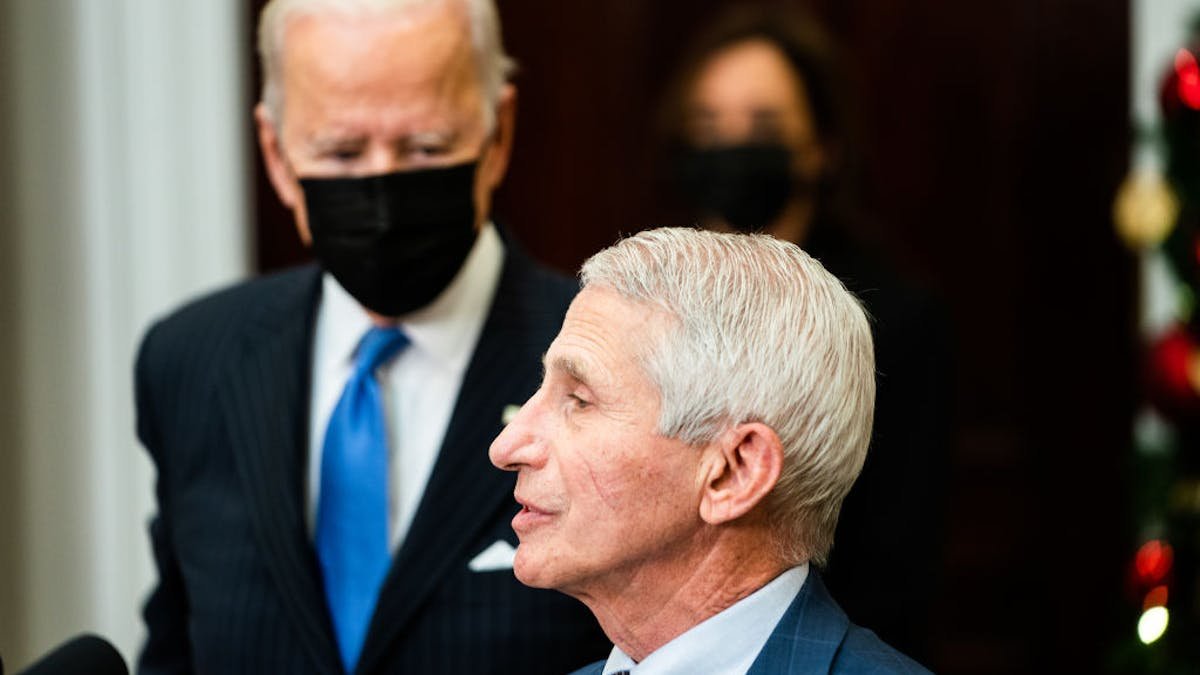
The Trump Justice Department faces mounting criticism for not pursuing perjury charges against Dr. Anthony Fauci before the statute of limitations expires in May 2026, despite evidence that contradicts his sworn 2021 congressional testimony about U.S. funding of gain-of-function research in Wuhan, China.
At issue is Fauci’s May 2021 testimony before Congress, when he stated under oath that the “NIH has not ever and does not now fund gain-of-function research in the Wuhan Institute of Virology.” When pressed by Sen. Rand Paul (R-KY) and warned about the legal consequences of lying to Congress, Fauci doubled down, insisting he had “never lied before the Congress.”
However, subsequent investigations have contradicted that testimony. A 2023 Government Accountability Office review found that the Wuhan Institute of Virology and Wuhan University did receive National Institutes of Health funding for research involving the splicing of bat coronaviruses with SARS and MERS strains to create hybrid viruses. In 2024, the NIH’s own principal deputy director admitted to Congress that the U.S. government funded gain-of-function research in Wuhan.
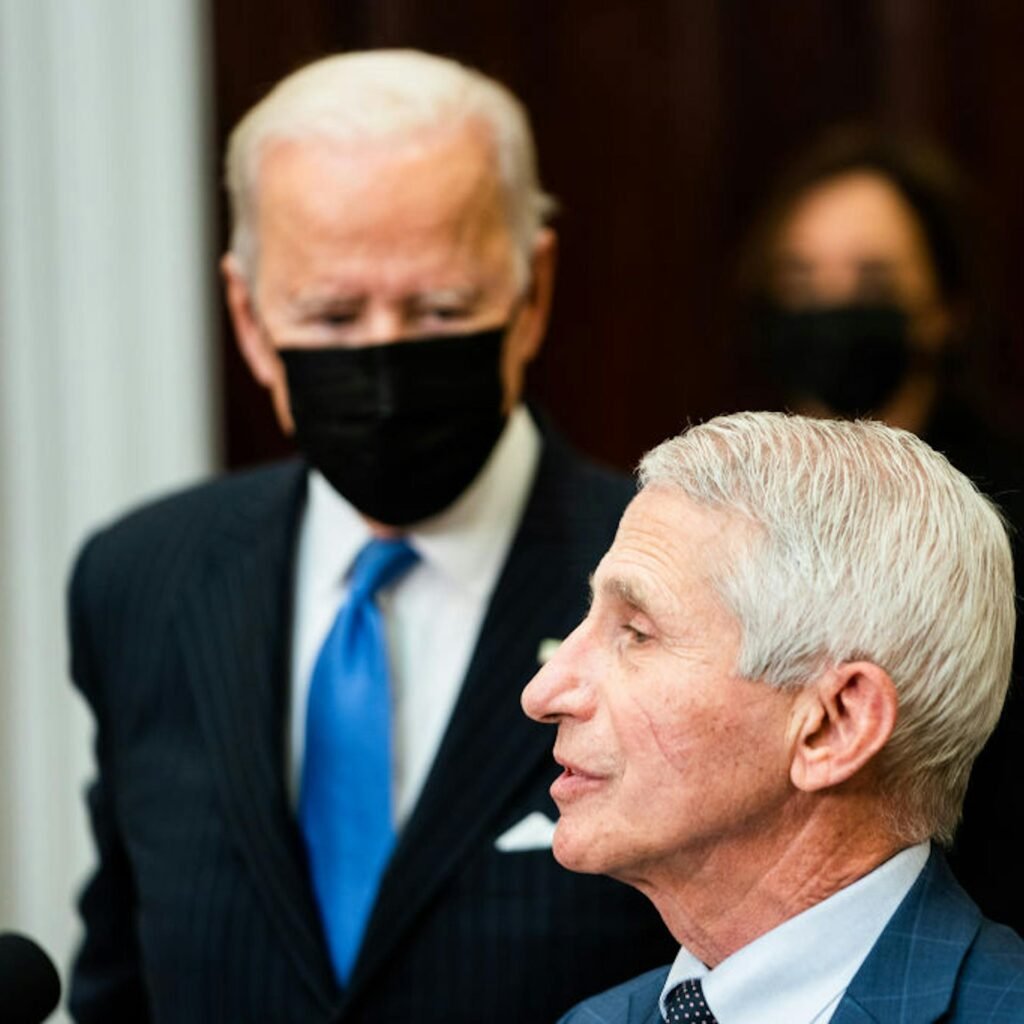
Perhaps most damaging, a 2020 email written by Fauci himself — months before his sworn denial — shows he privately acknowledged that “scientists in Wuhan University are known to have been working on gain-of-function experiments.”
Biden’s Unprecedented Pardon
The controversy intensified when President Joe Biden issued a sweeping preemptive pardon for Fauci in January 2025, covering any federal offenses committed between January 1, 2014 and January 19, 2025 — an 11-year period that encompasses virtually everything related to Fauci’s government role during the COVID-19 pandemic.
The pardon’s scope has raised constitutional questions. Unlike previous preemptive pardons, Biden’s pardon for Fauci did not identify any specific crime, offense, case, or particular act. It simply immunized him from whatever he “may have committed” across 11 years of government service.

This stands in contrast to historical precedents. President Gerald Ford’s pardon of Richard Nixon was understood to relate specifically to Watergate. President Jimmy Carter’s preemptive pardon of Vietnam War draft evaders was tied to one specific offense category: violations of the Military Selective Service Act.
Critics argue that Biden’s pardon pushes the boundaries of presidential pardon power in unprecedented ways. The pardon’s starting date — January 1, 2014 — notably coincides with Fauci’s decision to continue funding gain-of-function-adjacent research in China, even after a federal pause on such research had been implemented.
Constitutional Questions About Pardon Scope
Legal observers note that while the presidential pardon power is broad, one universally accepted limitation is that a president cannot pardon future crimes. Until an act occurs, there is no “offense against the United States” to forgive — only speculation.

Some legal analysts argue that if a pardon cannot cover an act because it is merely speculative and unidentified, the same logic should apply to unidentified past acts. By not pardoning Fauci for a specific, named offense arising from known facts, but rather for whatever might turn out to have happened across a decade, critics contend Biden’s pardon approaches pardoning future crimes.
Advocates for prosecution argue that charging Fauci with perjury would have accomplished two goals: forcing the judiciary to finally determine the actual limits of pardon power, and establishing that accountability exists for the official many hold responsible for pandemic-related harms.
Why DOJ Has Not Acted
One theory for the Justice Department’s inaction is that President Trump may wish to preserve the option of issuing sweeping preemptive pardons for his own family and allies before leaving office, given the multiple legal challenges he has faced.
However, critics argue that even if the DOJ declines to prosecute, it should fully cooperate with other entities pursuing Fauci accountability, including state prosecutors, congressional Republicans, and families pursuing civil litigation.
The statute of limitations for charging Fauci with perjury for his May 2021 testimony expires on May 11, 2026. With newly released emails and diary entries reportedly revealing additional patterns of deception that influenced public health policy during the pandemic, pressure continues to build for some form of legal accountability.
The case highlights broader tensions between presidential pardon power, congressional oversight, and accountability for government officials. As the statute of limitations deadline approaches, the window for federal prosecution continues to narrow, leaving questions about whether any legal consequences will result from testimony that subsequent evidence has called into question.
Source: www.dailywire.com — https://www.dailywire.com/news/can-american-justice-beat-bidens-fauci-pardon