
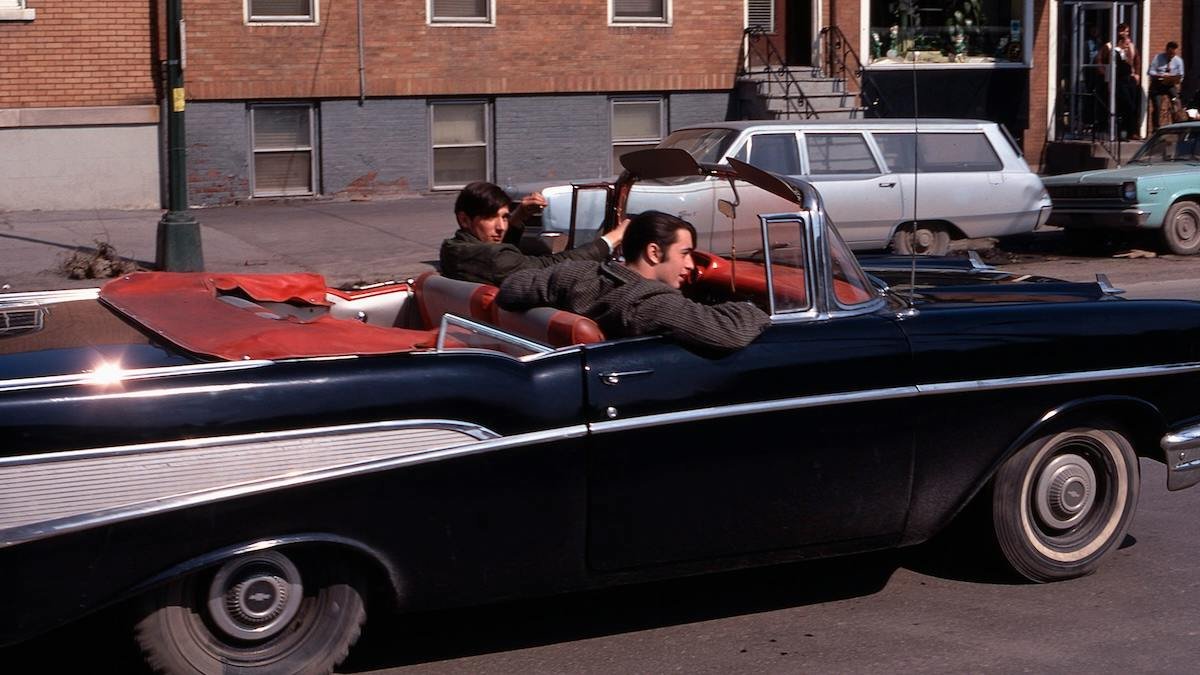
Getting a driver’s license used to be a teenage rite of passage — a 16th birthday wrapped in anticipation, a road test, and the sudden, intoxicating promise of freedom. That cultural script has largely gone missing, according to a Daily Wire report examining why so few American teenagers bother to get licensed anymore.
The numbers are stark. In 1983, 46 percent of 16-year-olds held driver’s licenses. Today, the figure stands at just 26 percent, and among today’s teens it hit a low of 24 percent in 2021 and 2022. The slide began during the millennial generation’s coming of age, but Gen Z has taken it to new depths. Licensure rates do rise by the early twenties, yet the eagerness that once defined turning 16 has plainly faded.
What makes the decline more striking, Daily Wire writer Brooke Brandtjen argues, is that getting a license has rarely been easier. During the pandemic, written tests for learner’s permits were often available online, and after months of lockdowns, overwhelmed DMV offices in several states waived road tests for certain teenage applicants. The bureaucratic barriers came down — and most young people still didn’t care to clear them.
Brandtjen recalls asking a friend who had just turned 16 in 2020 whether she would take advantage of the waived road test. The friend shrugged. “What’s the point? Where would I even go?”
The car is out of reach
Part of the answer lies in the economics of car ownership, which Brandtjen says has drifted beyond the reach of most teenagers. Cheap, high-mileage used cars that once served as first vehicles now typically cost around $10,000, while something safer and more sensible runs closer to $20,000.
Brandtjen points to the 2009 “Cash for Clunkers” program, which she says intentionally destroyed 678,000 running vehicles and removed usable capital from the market. The program also pulled millions of workable parts out of circulation, she writes, driving up repair and maintenance costs for the cars that remained on the road. Together with inflation and other pressures, she argues, that scarcity helped push affordable first cars out of reach for many young buyers.

Even for teens willing to scrimp and save for a lemon, the destination problem looms. Part of what made a license magical was access to cheap, safe places to spend time: restaurants, bowling alleys, arcades, dances, drive-ins. These “third spaces” — distinct from home and school or work — have been vanishing for decades, and with them the motivation to drive anywhere at all.
The most iconic of those spaces, the American mall, is in steep decline. In an investigation referenced by Brandtjen, Daily Wire host Matt Walsh reported that as many as 87 percent of malls are expected to close by the end of the decade, citing safety concerns and private equity’s role in their collapse. Fast food restaurants and movie theaters have grown more expensive and less welcoming. Bowling alleys have been cut in half since the 1980s. Arcades have nearly disappeared, and indoor community centers have dwindled.
Social media fills the void
The substitute for all that driving, Brandtjen writes, is social media — a cheaper, easier, and far worse alternative. The freedom earlier generations found in a car and a night out with friends now lives in chat rooms and platforms. Rather than endure the hassle of testing and car-buying and hunting for somewhere worth going, teens can simply gather online. The pandemic, she notes, convinced a generation that in-person interaction wasn’t necessary so long as a phone or laptop was handy. FaceTime, Roblox, and endless Snapchats have replaced physical meetups.

The result, in her telling, is a generation that has lost the appetite for independence and seems perfectly content without the liberty a license confers. She frames that indifference as a symptom of something larger: a youth culture that has been quietly repressed, denied the small, formative responsibilities that build adults.
“Rites of passage such as obtaining a driver’s license are incredibly important for the growth and maturation of young people,” Brandtjen writes, calling the license “a small piece of independence that we should encourage young people to seek.”
Brooke Brandtjen is a writer and journalist from Wisconsin who focuses primarily on culture, politics, and religion. She is a senior contributor at New Guard Press, a publication she joined while attending Hillsdale College. Her article is part of Upstream, The Daily Wire’s home for culture and lifestyle coverage.
Source: www.dailywire.com — https://www.dailywire.com/news/what-happened-to-this-teenage-milestone