
Kansas voters will decide in August whether to fundamentally reshape how the state selects its Supreme Court justices, voting on a constitutional amendment that would return to a system of direct elections after nearly seven decades under a lawyer-controlled nominating commission.
The ballot measure has ignited a fierce political battle over judicial selection, with abortion-rights organizations pouring significant resources into defeating the amendment while conservative groups frame the vote as a question of democratic accountability.
The Current Selection System
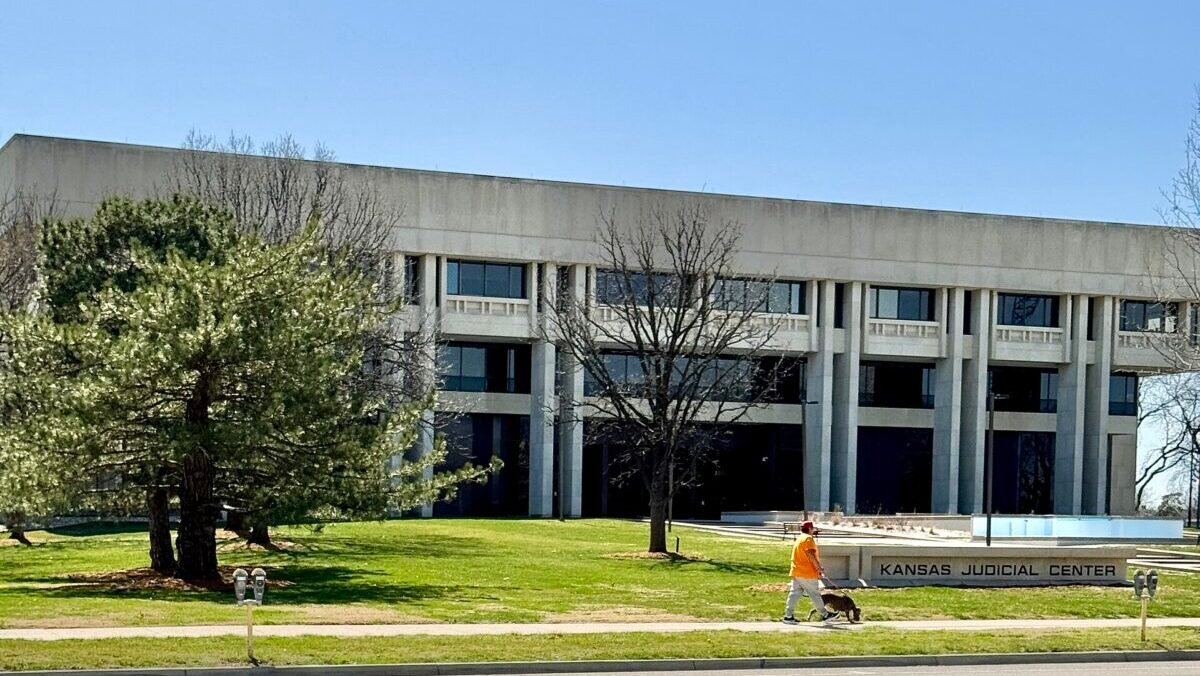
Kansas currently stands alone among U.S. states in how it selects Supreme Court justices. Under a system established by constitutional amendment in 1958, a nominating commission controlled by members of the state bar association selects candidates for vacant Supreme Court seats and presents them to the governor, who must choose from that list.
According to Jeanne Gawdun, director of government relations for Kansans for Life, eight of the nine members on the current nominating commission are donors to candidates who support abortion rights. Six of the seven sitting justices on the Kansas Supreme Court were appointed by Democratic governors who support abortion access, Gawdun said.
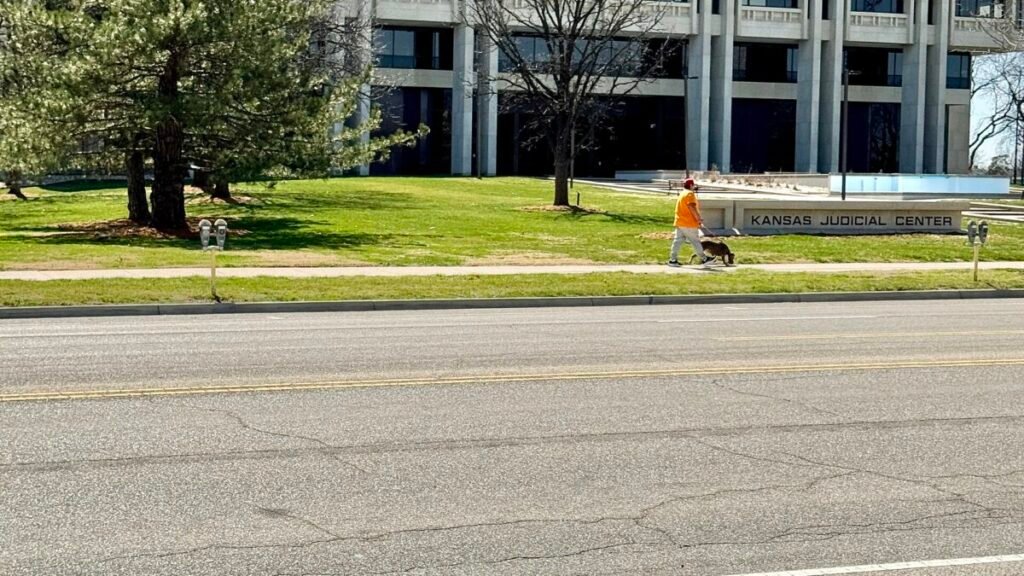
The proposed amendment would eliminate this commission-based system and restore direct election of justices by Kansas voters, returning to the method the state used from statehood in 1861 until 1958.
Historical Context of the 1958 Change
The current nominating commission was created in response to a specific political scandal. In 1956, Republican Gov. Fred Hall lost his primary reelection bid. Before leaving office, Hall resigned as governor and was then appointed to the Kansas Supreme Court by his former lieutenant governor, who had become governor upon Hall’s resignation.
The maneuver, dubbed a “triple play” by critics at the time, outraged Kansas voters and led to the 1958 constitutional amendment creating the bar-controlled nominating system. While intended to prevent such abuses of power, the reform removed voters’ direct role in selecting Supreme Court justices.
Recent Court Decisions Driving the Debate
The push for reform has intensified following several abortion-related rulings by the Kansas Supreme Court. In 2019, the court found a right to abortion in the state constitution, a decision that has shaped subsequent rulings blocking various abortion restrictions.

Democratic Gov. Laura Kelly, who is serving her second term, recently appointed Judge K. Christopher Jayaram to the Supreme Court from the list of three candidates provided by the nominating commission. As a district court judge in Johnson County, Jayaram blocked provisions of Kansas’s “Woman’s Right to Know” Act that had been in effect for more than 25 years, including informed consent requirements, the right for women to view ultrasounds, and a 24-hour waiting period before obtaining an abortion.
The Kansas Supreme Court has also blocked restrictions on live dismemberment abortions and abortion facility licensing requirements, applying its 2019 constitutional ruling on abortion rights.
Campaign Finance and Outside Involvement
Planned Parenthood, the American Civil Liberties Union, and other organizations supporting abortion access are funding opposition campaigns against the amendment. One organization involved in the effort is Unite for Reproductive and Gender Equity (URGE), which describes itself as working on LGBTQ and reproductive rights issues.
These groups are running television and direct mail campaigns arguing that voting “no” on the amendment will keep politics out of Kansas courts. They contend that the current nominating commission system provides a buffer between partisan politics and judicial selection.
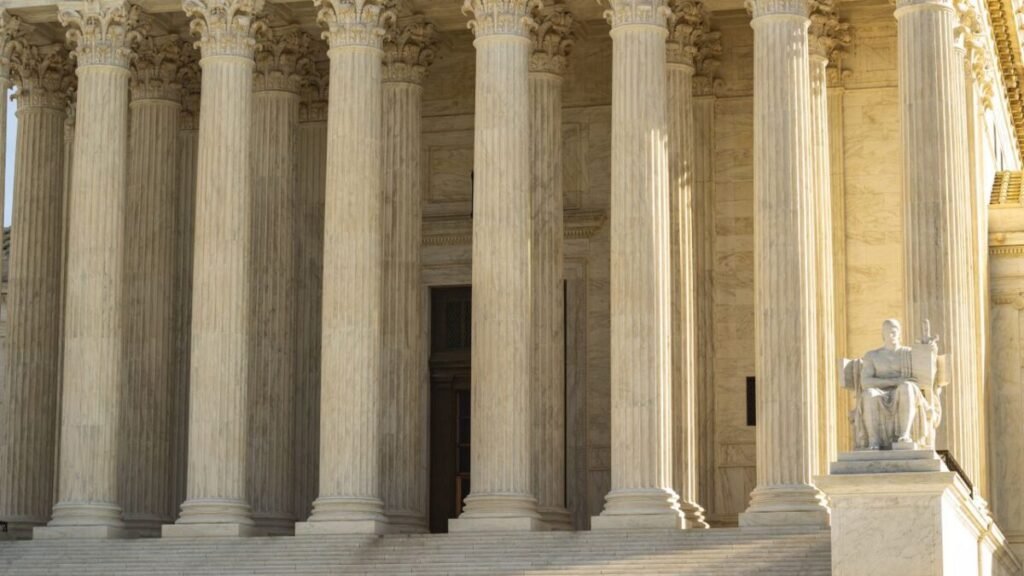
Conservative supporters of the amendment counter that the current system is already political, with the nominating commission controlled by donors aligned with particular political positions, particularly on abortion policy.
The Stakes for Kansas Voters
The amendment frames a fundamental question about judicial selection: whether state Supreme Court justices should be chosen through a nominating commission that meets in private, or whether voters should directly elect justices in public campaigns.
Supporters of the change argue it would restore democratic accountability to the state’s highest court. Gawdun noted that “while a majority of Kansans are likely to support reasonable regulations and restrictions on abortion, the current Supreme Court nominating process is likely to continue promoting justices who have an interest in seeing abortion expand in the state.”
Opponents maintain that direct elections would inject partisan campaign politics into judicial selection, potentially compromising judicial independence and exposing judges to pressure from campaign donors and special interest groups.
The August vote will determine whether Kansas rejoins the majority of states that use some form of judicial elections, or maintains its unique nominating commission system established in the aftermath of the 1950s political scandal.
Source: thefederalist.com — https://thefederalist.com/2026/07/30/how-kansas-voters-can-stop-rabid-leftists-from-controlling-their-supreme-court/