

A Senate hearing examining newly disclosed documents related to Dr. Anthony Fauci’s handling of the COVID-19 pandemic has ignited a fierce partisan clash, with Democrats employing what critics describe as a familiar political playbook: delay record releases, then dismiss subsequent investigations as rehashing old controversies.
The hearing focused on detailed records that reportedly became available for the first time in 2026, shedding light on Fauci’s private communications and decision-making during the early pandemic years of 2020 and 2021. According to The Federalist, these documents reveal internal thinking that allegedly contradicts public statements made at the time.
Democratic Response: Move On to Current Crises
Senator Maggie Hassan of New Hampshire responded to the hearing by arguing that Republicans were focusing on the past while ignoring present health concerns. “We are in the middle of a measles outbreak. A cyclospora outbreak,” Hassan stated on social media, adding that “Senate Republicans spent today attacking Dr. Fauci” while “RFK is dismantling our public health system & scientific research.”
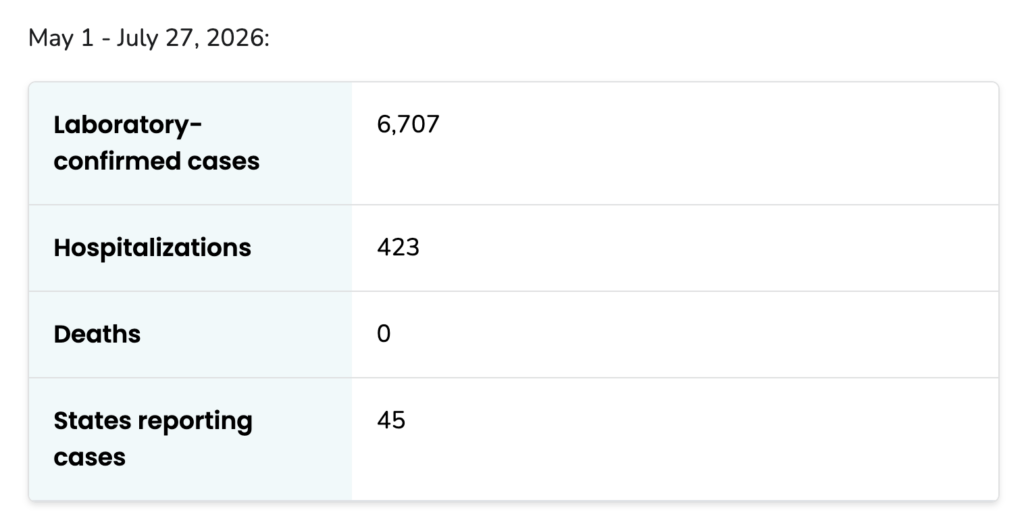
However, The Federalist article challenges Hassan’s characterization of current health threats. According to CDC surveillance data cited in the report, the cyclospora outbreak has resulted in zero reported deaths. Similarly, the measles outbreak figures presented suggest limited scope compared to Hassan’s framing of a major crisis.

The article also disputes Hassan’s claim that public health infrastructure is being dismantled. According to NIH budget information cited in the report, the agency is spending nearly $48 billion in 2026, with approximately 82 percent awarded for extramural research through almost 50,000 competitive grants to more than 300,000 researchers at over 2,500 institutions nationwide.
The ‘Clinton Scandal Manual’ Playbook
The Federalist frames the Democratic response through what Wall Street Journal columnist Kimberly Strassel previously described as “The Clinton Scandal Manual” — a multi-step approach to managing political controversies.
According to this framework, the first step involves muddying the paper trail by delaying document releases or misplacing records, which slows accountability and forces critics into prolonged efforts to uncover facts. The second step relies on media attention deficit, waiting for the press to tire of the story. The final step involves dismissing the scandal as “old news” after delays have caused the investigation to drag on.
The article argues this pattern is now being applied to the Fauci documents: records were allegedly kept from public view for an extended period, and now that they’ve emerged, Democrats are questioning why Republicans are “still talking about” events from years ago.

Senate Democrats Defend Fauci
Senate Majority Whip Dick Durbin defended Fauci in strong terms, characterizing him as “a deeply caring physician, a brilliant scientist, an extraordinary public servant, a humanitarian, & a patriot—whose work has helped save tens of millions of lives.”
Durbin added: “It is a shame to watch him be dragged in front of Congress in the name of bogus conspiracy theories.”
The Federalist article takes issue with Durbin’s “conspiracy theories” framing, arguing that examining documents Fauci himself created constitutes legitimate oversight rather than conspiracy-mongering.
Broader Pattern Recognition
The article positions the current controversy as part of a broader pattern in political accountability, suggesting that understanding these tactics is essential to preventing their effectiveness. “Democrats always lie the same way, so pattern recognition becomes a kind of vaccine,” the piece argues, “except that it actually creates immunity.”
The fundamental strategy, according to The Federalist’s analysis, involves three clear steps: delay access to documents, wait for critics to grow weary of the prolonged investigation, then pivot to dismissing the entire matter as ancient history unworthy of current attention.
The article concludes by urging continued scrutiny despite political pushback, arguing that the newly available documents warrant thorough examination regardless of when the underlying events occurred.
Context and Ongoing Debate
The hearing represents the latest chapter in ongoing partisan battles over pandemic-era decision-making. Republicans have long sought greater transparency regarding the origins of COVID-19, funding of gain-of-function research, and the scientific basis for various public health mandates.
Democrats have generally defended the public health response while characterizing Republican investigations as politically motivated attacks on science and scientists who worked to protect public health during an unprecedented crisis.
The tension over these newly released documents appears likely to continue as both parties position themselves on pandemic accountability heading into future election cycles.
Source: thefederalist.com — https://thefederalist.com/2026/07/31/the-fauci-debacle-is-a-teaching-moment-because-the-democrat-playbook-never-changes/