
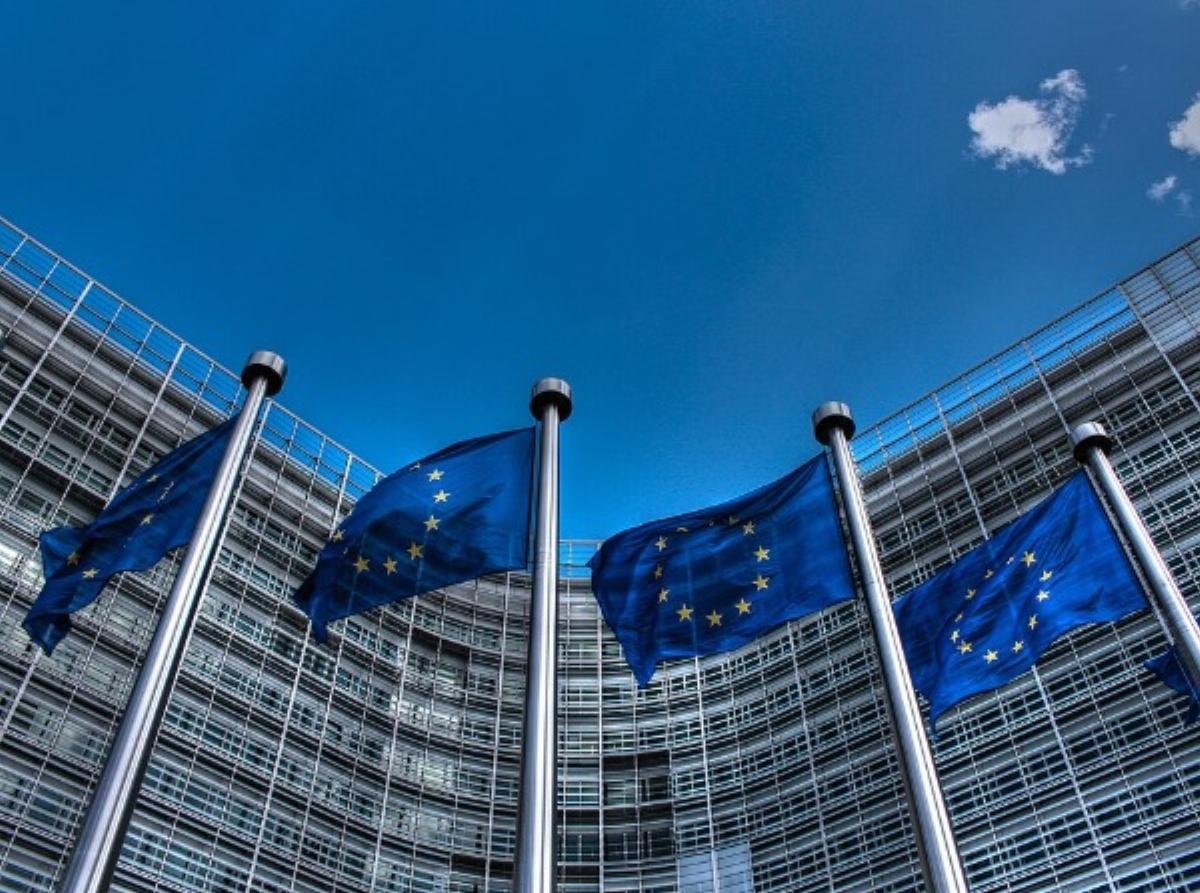
In a sharply worded column for American Thinker, writer J.B. Shurk argues that the escalating war rhetoric directed at Russia across Europe is less about Moscow than it is about control at home — and that Europeans should respond not by fighting the Kremlin, but by overthrowing the political class that keeps pushing the confrontation.
The piece, published September 23, 2026, opens with a blunt framing question: “Why fight Russia when foreigners are invading Europe?” From there, Shurk builds a case that the rhythm of European alarm over Russia follows the rhythm of European elections and parliamentary calendars rather than any genuine, spontaneous security emergency.
The Charge: Convenient Timing
Shurk points to Germany as his central example. He writes that Berlin chose to announce — five days before Saxony-Anhalt’s September 6 elections — that Russia was behind a small drone discovered at Leipzig/Halle Airport more than a month earlier. According to Shurk, the drone carried an explosive charge but caused no damage and sat unnoticed for hours on August 4. When Germany blamed Russia four weeks later, he writes, Berlin offered no real evidence.
European Commission President Ursula von der Leyen and other national leaders immediately declared solidarity with Germany and condemned what they called Russia’s “hybrid war” on European Union soil, according to the column. Shurk contends that to many observers, the timing looked designed to blunt momentum for Alternative for Deutschland, a party he says Chancellor Friedrich Merz and the European establishment have branded as “Nazis” and “Russian puppets.” If that was the aim, Shurk writes, it backfired: AfD won the September 6 vote decisively, and its support continues to climb nationwide.
He extends the pattern to Romania, Poland, Hungary and Moldova, where he says similar “national security” incidents surfaced before elections. In each case, he writes, pro-EU parties accused Russia of interference, sabotage or imminent attack while casting their domestic opponents as Russian assets. In Romania, Shurk notes, EU-aligned courts annulled the 2024 presidential election over what he calls spurious allegations of Russian meddling.

Washington Enters the Frame
Shurk also links the war fever to American politics, arguing that European leaders are ratcheting up their warnings in anticipation of U.S. midterm elections. He writes that President Trump has made no secret of viewing the Russia-Ukraine war as a stupid and unnecessary conflict that would never have happened had he been in office in 2022, and that Trump has spent two years trying to end it. With the exception of Slovakia — and Hungary before former Prime Minister Viktor Orbán’s electoral defeat — Shurk says European governments appear committed to an expanded war with Russia in the near future.
He recounts that last week Trump asked Ukraine’s Volodymyr Zelenskyy to stop attacking Russian oil refineries to stabilize global markets. After agreeing, Shurk writes, Zelenskyy did the opposite and announced Ukraine’s use of NATO-supplied missile systems against Russian facilities — an action Shurk reads as an attempt to provoke Russia into targeting NATO members directly.
The column also flags a cryptic public statement from Dmytro Gordon, described as a Ukrainian journalist and Zelenskyy confidant, who said something would happen “literally within days” to give the nation hope, calling it a military secret he could not disclose. Shurk treats that remark as evidence of an open secret circulating through Europe.
Preparations for a War It Insists Is Coming
From there Shurk catalogs the continent’s wartime footing. European Commission officials, he writes, are urging all 450 million EU citizens to stockpile water, food and medicine. German Defense Minister Boris Pistorius has told the Bundestag that war is coming, according to the column, and Merz has worked around prior legal limits to substantially increase defense spending while acknowledging Germany is “already in conflict with Russia.” Germany, Denmark, Norway, Sweden, Finland, Estonia, Latvia, Lithuania and Poland are all expanding their militaries and broadening conscription, Shurk writes. French President Emmanuel Macron has reportedly told political leaders that war with Russia has arrived, and the British government is revising war manuals, organizing civil defense exercises and preparing for large-scale conscription — including the activation of retired service members up to age sixty-five. In a single week, Shurk notes, the UK’s top ten newspapers published more than 250 articles about the likelihood of war with Russia.
Rees-Mogg and the ‘Duty to Die’
Shurk reserves particular scorn for Jacob Rees-Mogg, the former cabinet minister and one-time Conservative favorite for prime minister, who said the British people must be willing to fight and die for their country. In the quote Shurk reproduces, Rees-Mogg warns that Britain may face a war in the next few years and will need people willing to join the armed services and do their duty — even to die to save their country, as in the First and Second World Wars. “If people are not willing to do their duty, then the country will be taken over by another country,” Rees-Mogg said.
Shurk calls him a “poncy toff” with an aloof speaking style, noting he was ridiculed in Parliament as the “Honourable Member for the 18th century.” Such a man telling ordinary Brits their lives are forfeit to the state, Shurk writes, sounds remarkably out of touch.
To support that charge, Shurk points to several British domestic conditions. According to Home Office records, he writes, an illegal alien is granted settlement or citizenship every single minute. British taxpayers are paying more in welfare to migrant households than ever, he says, and open defecation on public streets is common enough that the government posts signs instructing new arrivals against it. He notes the government distributes a nine-page booklet informing illegal aliens that raping women and children is wrong, and that one British village voted to secede after the government insisted on placing a migrant camp ten times the town’s size next door.
Former MI6 chief Sir Richard Dearlove has warned, per Shurk, that the government’s climate and green energy obsessions have left the country weak and nearly defenseless. Meanwhile, Shurk adds, the government has spent its dwindling resources arresting nearly 65,000 Brits for speech-related offenses over five years instead of addressing any national security threat.
The Backlash He Highlights
Shurk rounds out the column with a string of public reactions to Rees-Mogg’s remarks. One commenter asked whether the UK government expects the young to die repelling Russian landing craft while it “rolls out the benefits carpet” for often dangerous arrivals. Another dismissed Rees-Mogg as a rich man who couldn’t knock the skin off a rice pudding telling people to die to protect a status quo that delivers him fine wine while the rest of the country faces bills it cannot afford. A third suggested fitting him out and sending him to the Donbas.
An online pundit, quoted by Shurk, said to ask the migrants the government brought in how British they feel — because, in that commenter’s words, none of the rest are fighting for it. One young man asked what is left to die for: football, a home you cannot afford, a job you will not get, a school that will teach your kids to hate you for fighting in the first place. Another concluded that a country without borders is not a country, and nobody dies for a country that does not exist.
Shurk’s closing argument is as direct as his opening. Europe’s ruling class, he writes, wants to sacrifice citizens in a senseless war against Russia. Citizens, in his view, should overthrow their ruling class instead.
Source: www.americanthinker.com — https://www.americanthinker.com/articles/2026/09/europeans-should-overthrow-their-ruling-class/