
In a notable shift from decades of tradition, late-night television’s biggest names will largely sit out live election night coverage for the first time since 2002, according to TheWrap. The decision affects multiple major network programs and represents a dramatic departure from the format that became a staple of American election nights over the past two decades.
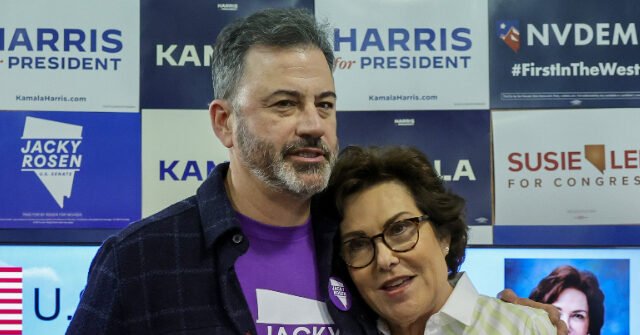
ABC’s Jimmy Kimmel Live! plans to pre-record its Tuesday episode, featuring only early reactions to East Coast results. The show will not air live on the West Coast when final outcomes become available, a significant change from Kimmel’s previous election night practices.
Comedy Central’s The Daily Show is expected to tape its Tuesday episode before polls close in New York, eliminating any possibility of live reaction to developing results. Meanwhile, NBC is taking an even more conservative approach — both The Tonight Show Starring Jimmy Fallon and Late Night With Seth Meyers will not air at all on Tuesday.
The End of an Era
The absence of CBS’ The Late Show adds another wrinkle to the coverage gap. The program, which was canceled earlier this year, will obviously not air Tuesday — or ever again. When the show was still on the air, host Stephen Colbert had been a regular fixture of live midterm coverage.
This represents a stark departure from 24 years ago, when Jon Stewart went live on The Daily Show with midterm election night coverage in 2002. That broadcast kicked off what would become an industry-wide trend, with other late-night hosts quickly following suit and adjusting their taping schedules to go live with their audiences as election results rolled in.
The tradition had remained relatively strong in recent cycles. During the 2022 midterm elections, both Kimmel and Colbert went live on their shows for election night. In November 2018, during President Donald Trump’s first term, Trevor Noah’s The Daily Show, along with Colbert, Kimmel, and Meyers, all provided live coverage of the midterm elections.
High Stakes, Low Coverage
The pullback from live election coverage comes during what many observers consider a particularly high-stakes election cycle. Republicans currently control both the House of Representatives and the U.S. Senate, but this midterm cycle could shift control of either or both chambers as President Trump heads into the second half of his second presidential term.
The timing raises questions about why networks and hosts are stepping back from live coverage precisely when political stakes appear highest. Late-night shows have traditionally served as a venue for millions of Americans to process election results in real time, combining comedy with political analysis and often featuring guest commentators and politicians.
The decision also reflects broader changes in how Americans consume political news and entertainment. With social media providing instant updates and cable news offering around-the-clock coverage, the role of late-night comedy shows in the election night ecosystem has evolved considerably since Stewart pioneered the format two decades ago.
What It Means for Viewers
For viewers who have grown accustomed to processing election results through the lens of late-night comedy, Tuesday night will offer a markedly different experience. The absence of live programming means reactions to major upsets, unexpected victories, or dramatic shifts in party control will be delayed until the following evening at the earliest.
The pre-recorded nature of Kimmel’s show also raises questions about how useful early East Coast results will be without the context of final nationwide outcomes. In past elections, late-night hosts have provided running commentary as results shifted throughout the evening, often adjusting their tone and content based on developing stories.
Industry observers will be watching closely to see whether this shift proves temporary or represents a permanent change in how late-night television approaches major political events. The decision could signal a broader reassessment of the format’s relevance in an era of instant digital communication and fragmented media consumption.
As Tuesday’s election approaches, traditional television viewers will need to look elsewhere for live election night entertainment and analysis — a scenario that would have been unthinkable just a few election cycles ago when late-night shows competed to provide the most engaging live coverage.
Source: www.breitbart.com — https://www.breitbart.com/entertainment/2026/10/30/late-night-shows-to-skip-live-election-broadcasts-for-first-time-in-24-years/