
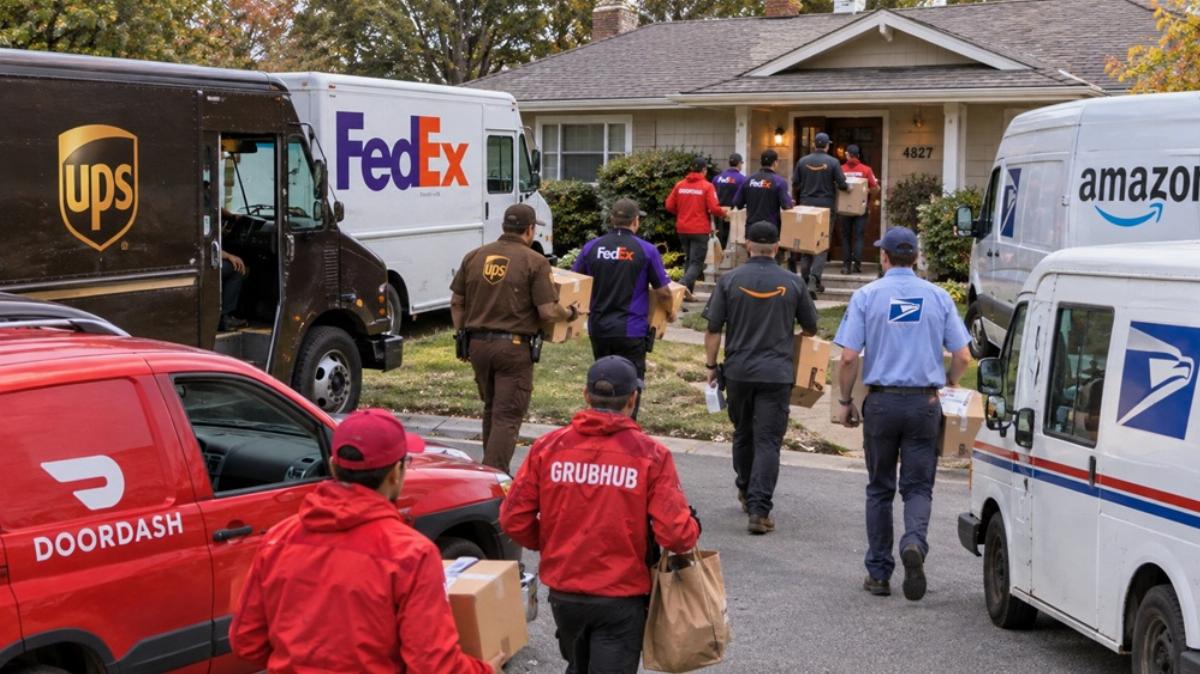
The viral outrage over a $32 Arby’s sandwich delivery—$13 for the meal, $19 in fees—isn’t just about inflation or corporate greed. It’s a symptom of what happens when convenience becomes non-negotiable, when ‘buy now, pay later’ replaces saving up, and when streaming subscriptions outnumber utility bills. While politicians campaign on affordability, they rarely acknowledge how consumer expectations have outpaced wage growth.
The Subscription Sinkhole
Americans now spend an average of $280 monthly on internet, mobile, and streaming services—over $3,300 annually. What began as optional conveniences (food delivery, premium Spotify, next-day shipping) now feel like necessities, creating permanent drains on budgets. The average household has 5-7 recurring subscriptions beyond utilities, a figure that would baffle 1970s families who owned one TV and shared a landline.
The Solo Living Premium
Demographic shifts amplify the strain: 29% of households are now single-person (up from 19% in 1974), with later marriages meaning more adults pay solo rents and car notes. Two incomes once covered one mortgage; now, two apartments drain those paychecks before lattes or Uber Eats enter the equation.
Financing the Illusion
Layaway taught patience; today’s ‘pay in 4’ plans make $1,000 phones feel affordable at $250 a pop—until four such ‘manageable’ payments overlap. Auto loans now average 70 months, ensuring payments outlast most warranties. This debt treadmill keeps consumers chasing lifestyles rather than building wealth.
None of this negates genuine crises in housing or healthcare costs. But as delivery apps and financing options blur wants and needs, the affordability debate misses a key truth: no policy can subsidize every convenience we’ve been conditioned to expect.
Source: www.americanthinker.com — https://www.americanthinker.com/articles/2026/11/the-affordability-illusion/