
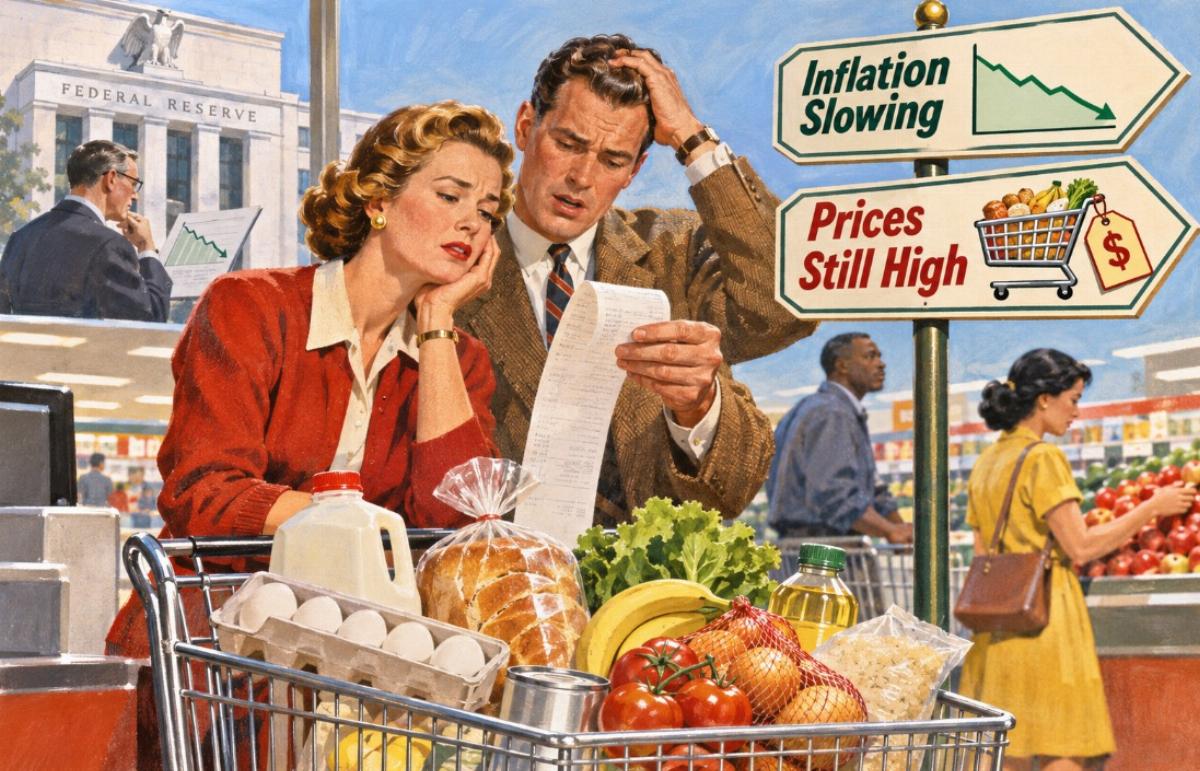
The Federal Reserve’s interest rate policies have long been framed as necessary medicine for inflation, but a growing chorus of critics argues the cure is worse than the disease—at least for working families. While Wall Street celebrates stable rates and policymakers point to slowing inflation, ordinary Americans face stubbornly high prices and dwindling purchasing power, according to economist Raymond B. Jewell.
The Cantillon Effect: Why New Money Doesn’t Trickle Down
Jewell points to an 18th-century economic principle called the Cantillon Effect, which explains how monetary policy advantages those closest to the money spigot. When the Fed adjusts rates or injects liquidity, banks and large financial institutions benefit first, spending that money before prices fully adjust. By the time the effects reach Main Street—through higher grocery bills or pricier mortgages—the purchasing power has already eroded.
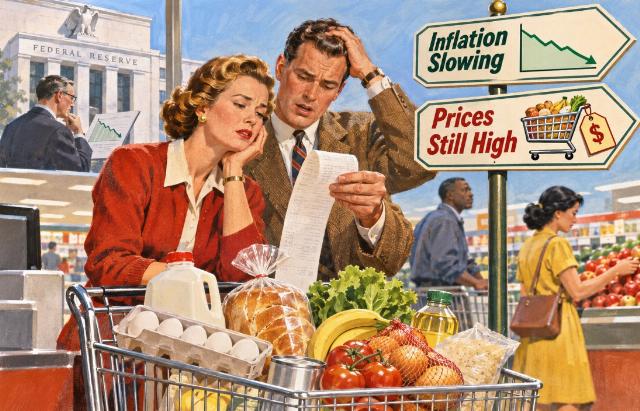
“The first receivers benefit, but the last receivers pay,” Jewell writes. Despite recent Fed claims of progress, grocery prices remain roughly 12% higher than in 2022, and homeownership has grown increasingly out of reach for low- and moderate-income buyers.
Who Really Pays for Higher Rates?
Research from the Fed itself backs this uneven impact. A 2023 study by Fed economist Daniel Ringo found that just a 1-percentage-point mortgage rate hike reduces the share of lower-income homebuyers by 2 points. Other studies show renters and first-time buyers bear the brunt of tightening cycles, while existing homeowners with fixed-rate mortgages are insulated.
“When rates rise, it isn’t the person with an existing house who gets priced out,” Jewell notes. “It’s the person trying to buy the first one.” Meanwhile, asset holders—those with stocks, bonds, or investment properties—often benefit from the financial stability that rate hikes aim to achieve.
A Call for Transparency
Jewell isn’t advocating for the Fed’s abolition (though he sympathizes with those who do). Instead, he proposes a simpler fix: force the central bank to publish distributional impact reports with every rate decision. These would detail how policies affect different income brackets, age groups, and housing situations—with methodologies and uncertainties disclosed.
“As long as a committee targets policy rates for 330 million people,” he argues, “it should have to answer publicly for whom those decisions help and whom they hurt.” Without this transparency, Fed Chair Kevin Warsh’s recent optimism about “moving in the right direction” rings hollow for families still staring down inflated grocery bills and stalled homebuying dreams.
The disconnect, Jewell concludes, isn’t just economic—it’s democratic. When policymakers celebrate aggregate improvements that mask real pain for millions, it’s no wonder trust in institutions erodes. The question isn’t whether the Fed’s signposts point upward, but who they’re even visible to in the first place.
Source: www.americanthinker.com — https://www.americanthinker.com/articles/2026/11/federal-reserve-rate-setting-bankers-love-it-but-the-people-don-t/