
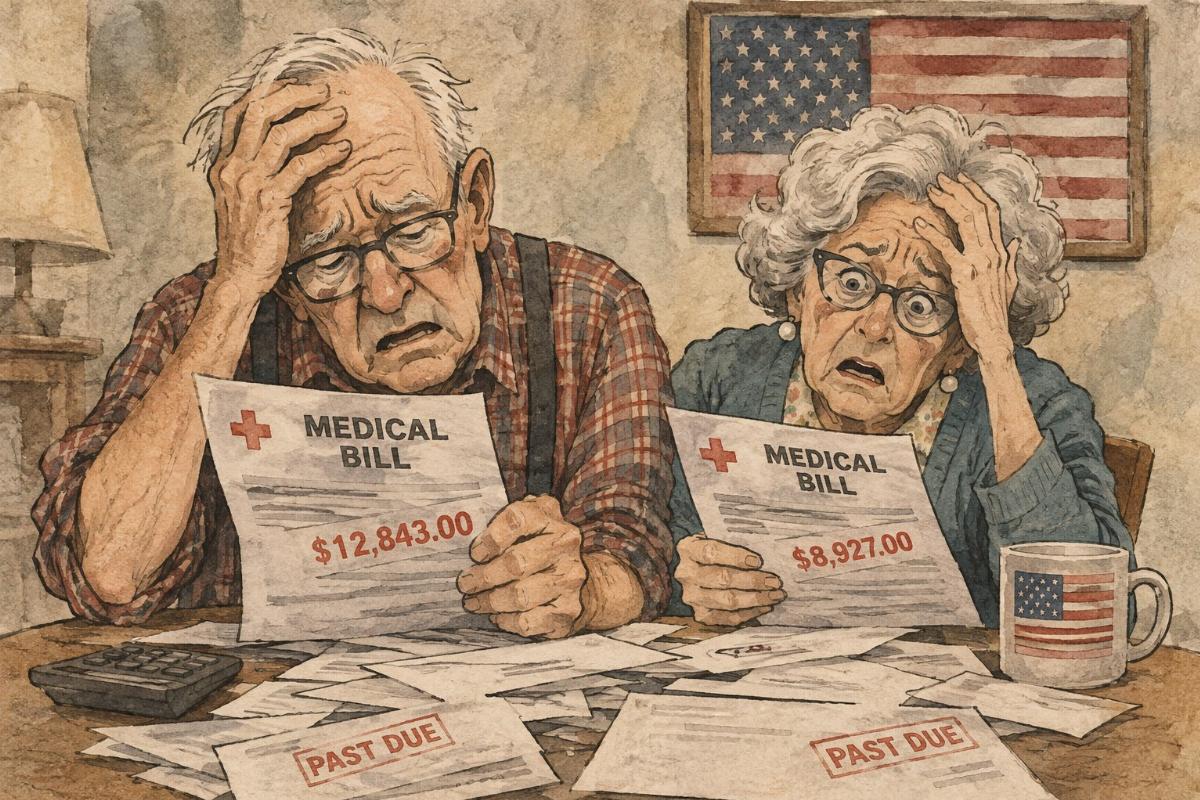
The Affordable Care Act, once touted as a solution to America’s healthcare crisis, is facing renewed scrutiny as premiums skyrocket following the expiration of enhanced federal tax credits. According to analysis from the Kaiser Family Foundation, average monthly premiums after tax credits jumped from $113 to $178 in 2026—a staggering 58% increase that’s hitting middle-class families hardest.
The Four-Stage Premium Crisis
Experts point to a cascade of factors driving up costs. First, hospitals and clinics have raised prices to cover higher wages and operating expenses. Specialty drugs and advanced treatments, while often more effective, come with steep price tags. In regions with limited competition, providers have leveraged their market power to negotiate higher reimbursement rates from insurers.

Second, insurers have passed these rising care costs directly to consumers through premium hikes. Even with flat admission rates and profit margins, the simple fact that hospital stays and procedures cost more means insurance policies must reflect those increases.
The third stage arrived when enhanced ACA subsidies expired at the end of 2025. Households earning between four and five times the federal poverty level—precisely the middle-class families the ACA aimed to help—were hit hardest. Many lost eligibility entirely, while others saw their credits slashed. KFF data shows this group accounted for 27% of the decline in plan selections despite representing just 3% of enrollees in 2025.
A Death Spiral for the Individual Market?
Now, a fourth troubling trend has emerged: healthier individuals are abandoning ACA plans in droves. Faced with sharply higher premiums, those who rarely need medical care are opting out, leaving insurers with a sicker, more expensive pool of customers. This drives premiums up further, pushing out even more healthy enrollees—a classic insurance ‘death spiral.’
Critics argue the root problem is a system that insulates patients from true costs. ‘Someone scheduling an MRI may know their copay, but have no idea what the insurer actually pays or what another facility would charge,’ notes the American Thinker analysis. This lack of price transparency makes comparison shopping nearly impossible.
The Case for Market Solutions
Conservative voices are seizing on the crisis to push for deregulation. They argue that state licensing barriers, certificate-of-need laws, and FDA exclusivity periods artificially constrain supply while protecting established providers from competition. ‘Let clinics open and expand, let doctors practice across state lines more easily, and give patients prices they can actually compare,’ the piece urges.
While Democrats push to restore subsidies, skeptics warn this would merely paper over systemic flaws. ‘Washington can make an insurance bill easier to pay,’ the analysis concludes. ‘Calling that affordable care is where the accounting gets creative.’ As premiums continue their upward march, the debate over healthcare’s future is far from over.
Source: www.americanthinker.com — https://www.americanthinker.com/blog/2026/11/the-affordable-care-act-proves-not-so-affordable/
Background and context
The latest developments around Obamacare Premiums Skyrocket as Subsidies Expire — Is the ‘Affordable’ Care Act Now Unaffordable? come amid a broader debate over opinion, institutional accountability, and the policy choices that shape everyday life. Understanding the immediate facts is only the first step; the wider impact depends on how officials, institutions, and the public respond in the days and weeks ahead.
FedFront’s coverage focuses on verifiable details, identifiable sources, and the practical consequences of political decisions. Readers should review official statements, primary documents, and court or agency records before drawing final conclusions about any disputed claims.
Why it matters
Stories like this can influence legislation, regulatory enforcement, public trust, and the balance of power between government institutions. Even when the immediate headline fades, the underlying policy, legal, or political questions often continue to shape future decisions.
What to watch next
- Official responses, statements, or policy changes
- Legislative, regulatory, or court action
- Follow-up reporting and independent verification
- Public reaction and broader political fallout
FedFront will continue monitoring this story and update coverage as new information becomes available.
Source: www.americanthinker.com
Related coverage
- The Left’s Hypocrisy on Marriage vs. Submission: A Double Standard in Modern Relationships?
- After Minneapolis shooting, a familiar question: Why wasn’t the suspect arrested?
- American Thinker Blames Carney and Burnham’s Woes on ‘Ministries of Truth,’ Not Trump or Putin
- Ireland’s Football Snub and a 2026 Settlement Import Ban: Inside American Thinker’s Case That Irish Anti-Israel Politics Has Become Antisemitism