
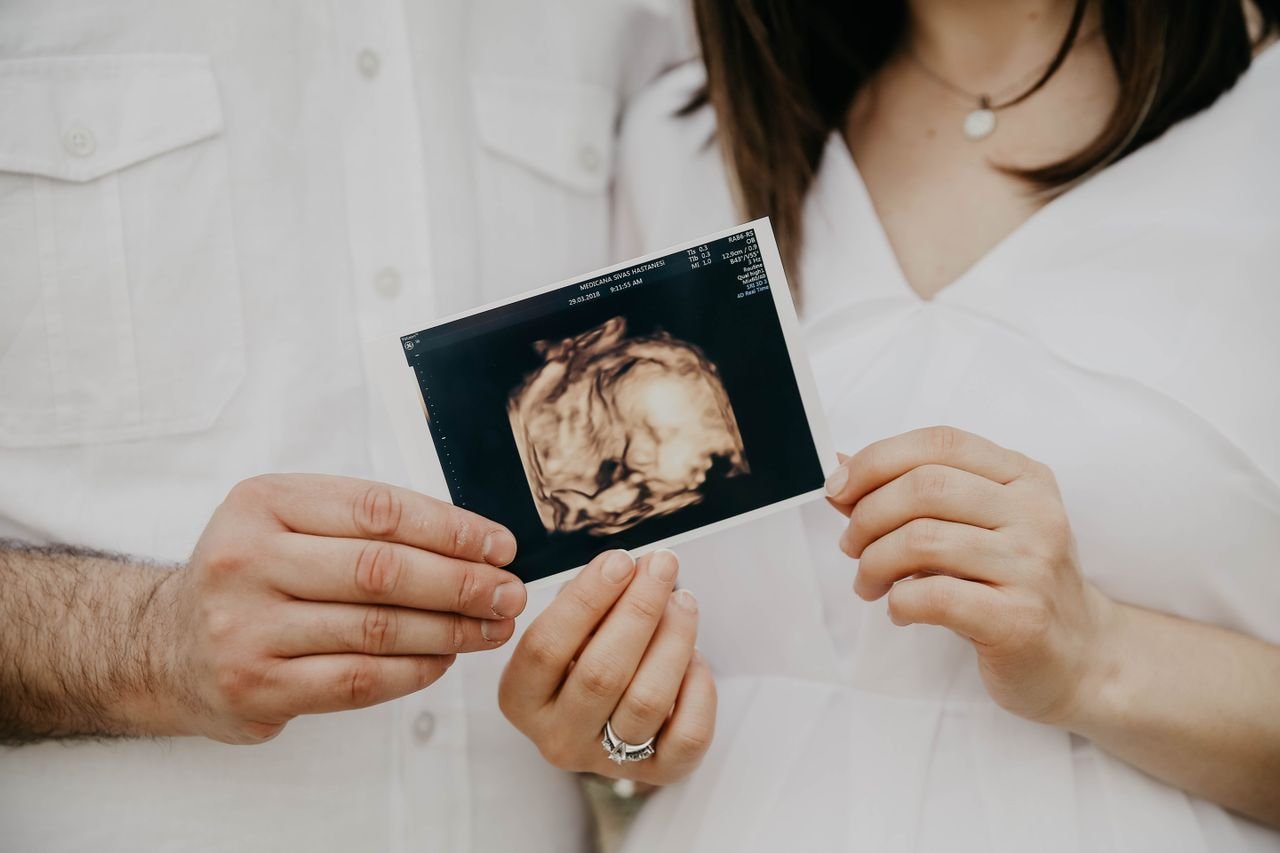
When a woman we’ll call Jessica lost her baby to a second-trimester miscarriage, she chose to hold a funeral and shared an image of her baby’s face, submerged in saline to bring out its features for photography. A friend, upon hearing about the service, expressed sympathy that Jessica had been “forced” into having it. Jessica corrected her: it was her choice, a way to honor her baby.
That friend, it turned out, had undergone an abortion at a similar gestational age and had no idea how formed the baby had been. The miscarriage, in a painful twist, revealed the humanity of the unborn child.
This story, recounted in a recent piece at The Federalist, illustrates a growing gap in the pro-life movement: while many churches and pregnancy centers focus on preventing abortion and supporting women who carry to term, few have dedicated programs for pregnancy loss—whether from miscarriage, stillbirth, or abortion. As chemical abortions and home miscarriages become more common, advocates argue that offering burial and cremation options is a natural and necessary extension of the movement’s mission.
A New Frontier in Pro-Life Care
Pregnancy loss is devastating, whether it’s a miscarriage (usually defined as a loss before 20 weeks’ gestation) or a stillbirth (after 20 weeks). Yet many pro-life organizations—defined as including abortion recovery ministries, pregnancy centers, clinics, mobile units, hotlines, and maternity homes—do not formally include pregnancy loss care in their definition. That’s a missed opportunity, according to the piece, which argues that a culture of life that honors the unborn in death can also shape hearts and minds on the abortion issue.
The idea is now gaining traction. As The Federalist reports, offering burial resources is a tangible way to reduce trauma and affirm the dignity of the unborn. For many women, the lack of options leads to a grim outcome: flushing their baby’s body. This common practice, while not illegal, often becomes the most traumatizing aspect of the loss, leading to stunted or complex grief, according to pregnancy loss ministries that hear from women after the fact.
The Rise of Chemical Abortion and Its Aftermath
The urgency of this issue is tied to the rise of chemical abortions. With the majority of abortions now taking place via medication rather than surgery, many women are giving birth at home, sometimes seeing their child’s remains—often without being told how formed the baby would be. The hormonal rush of birthing a deceased baby, complete with oxytocin flooding the system, can deepen the emotional impact.

For women who abort at home between 7 and 13 weeks’ gestation, unexpected regret and bonding with the child they can now see are not uncommon, the article notes. This is where pro-life groups can step in, says the piece, by partnering with funeral homes, cemeteries, and churches to offer burial and cremation options after abortion for women who desire them. The hope is that such acts can help prevent repeat abortions by bringing mothers to a fuller awareness of the humanity of their child and connecting them with after-abortion healing programs.
One Ministry’s Vision
Donna Murphy, who founded Heaven’s Gain Ministries to help families facing pregnancy loss, says she heard a clear message from the Holy Spirit while watching the March for Life: “Women with abortions won’t be able to grieve and heal until women with miscarriages are able to grieve and heal.”
Murphy’s point is not that abortion and miscarriage involve the same grieving process—abortion adds the weight of wrongdoing—but that both losses deserve recognition of the life and dignity of the unborn child. As more women speak openly about miscarriage and stillbirth as the loss of a life, the broader culture is more likely to see the unborn as human.
Models for Action
The Catholic Church has been a leader in baby burial work, likely due to its theology of the body and the tradition of burying the dead as a corporal work of mercy. But the article argues there’s no reason this should be exclusively Catholic. Every bereaved mother deserves this option.
Skeptics worry that seeing the baby after loss could be more traumatizing. But individual women differ—some find it healing to face the reality and beauty of a baby’s life, especially with simple saline contact solution improving the baby’s appearance for photography. Tools like Miscarriage Kits and C.A.R.E. Kits now enable women to collect, rinse, and store babies lost at home in the first trimester, with clearer guidance than ever.
Practical steps are emerging. Churches can offer free miscarriage kits, as Heaven’s Gain does, so women can pick one up at any time. The Abiding Care pregnancy center distributes kits and runs a grief program called Willow Story, which has identified two funeral homes that provide cremations for free. Some churches have reserved sections for baby burial, such as the Catholic Cemeteries of the Archdiocese of Washington and St. James on the Glebe Anglican Church, which recently buried a stillborn child of a non-parishioner at no cost.
A Call to Action
Centers can also research state laws to obtain necessary death certificates or burial-transit permits where required—though many states don’t require them for first-trimester loss. The goal, as The Federalist puts it, is to ensure no woman feels forced to flush her baby’s remains out of confusion or desperation.
“As pro-life Christians addressing pregnancy loss, we can do better to meet the need for burial,” the article concludes. “Doing so helps build a culture of life.”
Source: thefederalist.com — https://thefederalist.com/2026/08/19/why-pro-lifers-should-help-bury-the-babies-they-cant-save/