
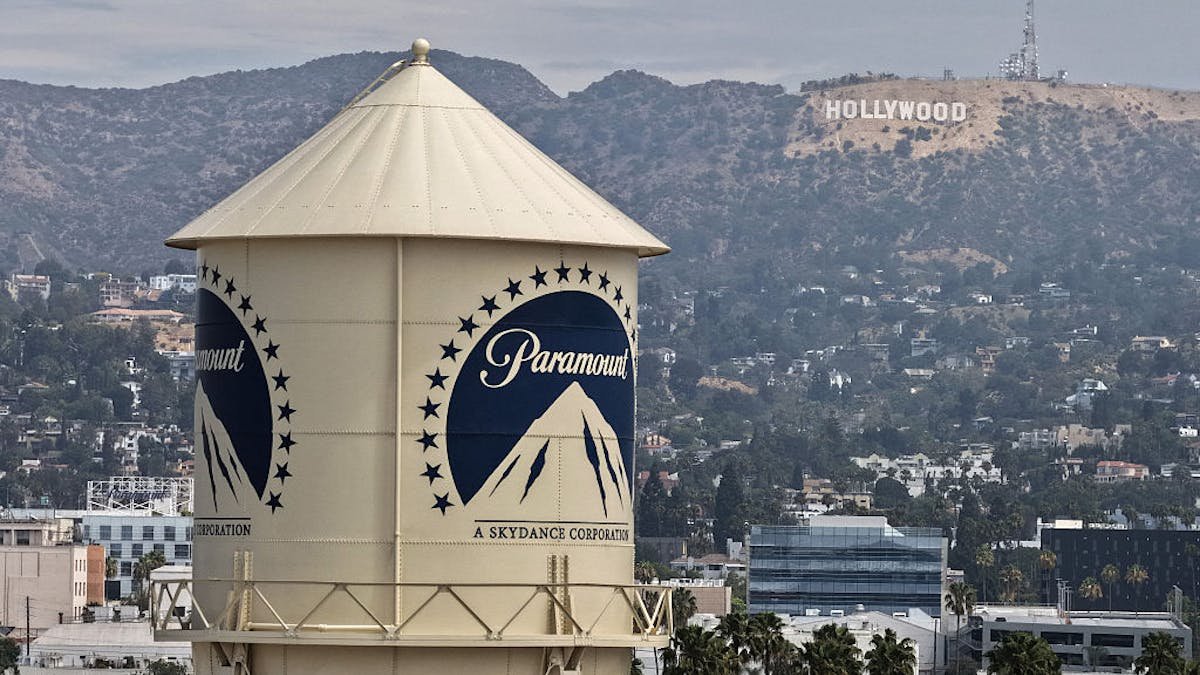
Iowa Attorney General Brenna Bird is taking an unusual legal step to unblock the proposed $110 billion merger between Paramount and Warner Bros. Discovery, filing a petition with the U.S. Supreme Court that challenges California’s role in stalling the deal. In an op-ed published by The Daily Wire, Bird argues that the merger would boost competition in the streaming market and that California’s lawsuit is an overreach that harms consumers nationwide.
The dispute began on July 13 when 12 state attorneys general, led by California, filed a federal lawsuit in San Francisco seeking to block the merger on antitrust grounds. A week later, a court order halted the transaction, putting the future of the two entertainment giants in limbo. Bird contends that this order effectively overrides the judgment of the 38 other states that reviewed the deal and declined to challenge it.
"That order does not stop at the California border," Bird wrote. "It reaches into Iowa, into all 38 states led by Republicans and Democrats alike that reviewed this deal and declined to challenge it. Twelve states have overridden that judgment for the entire country, and Iowans never got a vote."
The Merger’s Pro-Competitive Case
Bird’s central argument is that the merger would create a stronger competitor to Netflix, which currently dominates the streaming market. Combined, Paramount+ and HBO Max are smaller than Netflix, Disney, and Amazon, according to Bird. A successful merger would allow the combined company to invest an estimated $6 billion in savings and commit to releasing at least 30 movies in theaters annually.
"More movies mean more entertainment — and more competition means lower prices," Bird wrote, adding that the commitment to 30 films a year would provide more choice for families deciding which subscriptions to keep, more content for small-town theaters, and more work for film crews.
Bird highlighted the costs of delay: beginning in October, Paramount is contractually obligated to pay Warner Bros. roughly $7 million per day while the transaction remains in limbo. The trial in the state attorneys general lawsuit is not scheduled to start until March 2027, meaning millions of dollars could be burned before a ruling.

"That money could have lowered streaming costs but instead is being burned on a lawsuit that federal antitrust enforcers and 68 regulators around the world already concluded was unnecessary," she wrote.
Federal and International Approvals
The Department of Justice conducted an extensive review of the merger, examining over 2 million documents and interviewing industry participants, including competing bidders. State attorneys general, including California’s, had access to that record. The DOJ concluded that the merger would "increase competition across the media and entertainment ecosystem, with benefits for American consumers and workers."
International regulators reached similar conclusions. The European Commission, Canada, the United Kingdom, Australia, China, and dozens of other jurisdictions cleared the deal. Bird noted that 68 regulators worldwide approved the merger, making California’s challenge an outlier.

"When regulators in 68 jurisdictions with different laws, different politics, and no stake whatsoever in American elections all reach the same conclusion, the outlier is not the consensus," Bird wrote. "California is just dreaming up something radical."
Constitutional Argument for Supreme Court Review
Bird’s petition hinges on a constitutional argument: the dispute is between states, and the Constitution grants the Supreme Court original jurisdiction over such cases. She argues that Iowa cannot sue California in a district court because Congress has said so, and intervening in California’s chosen forum raises the same jurisdictional problem.
"Just like California should keep its hands off America’s bacon, California needs to understand that it doesn’t get to decide what Americans can choose to watch or stream," Bird wrote. She added that if California believes the merger is illegal, it should make that argument in the Supreme Court, which has the authority to bind all states, and it should do so before the costs of delay become permanent.
Bird also warned of the broader consequences: Warner Bros. cannot confidently green-light new films, upgrade technology, or sign long-term contracts while its future is uncertain. Paramount faces similar paralysis. Employees cannot plan careers, and films that are delayed may never be made at all.
"No court ruling in 2027 can go back and produce the film that was never shot," she wrote. "And no Iowan will ever get to see that movie either."
The Supreme Court has not yet indicated whether it will hear the case. Bird’s petition adds a new dimension to the legal fight over the merger, which has been praised by some as a way to reinvigorate theatrical releases and criticized by others as a consolidation that could harm workers and competition in the long run.
Source: www.dailywire.com — https://www.dailywire.com/news/to-save-american-movies-im-taking-california-to-the-supreme-court