
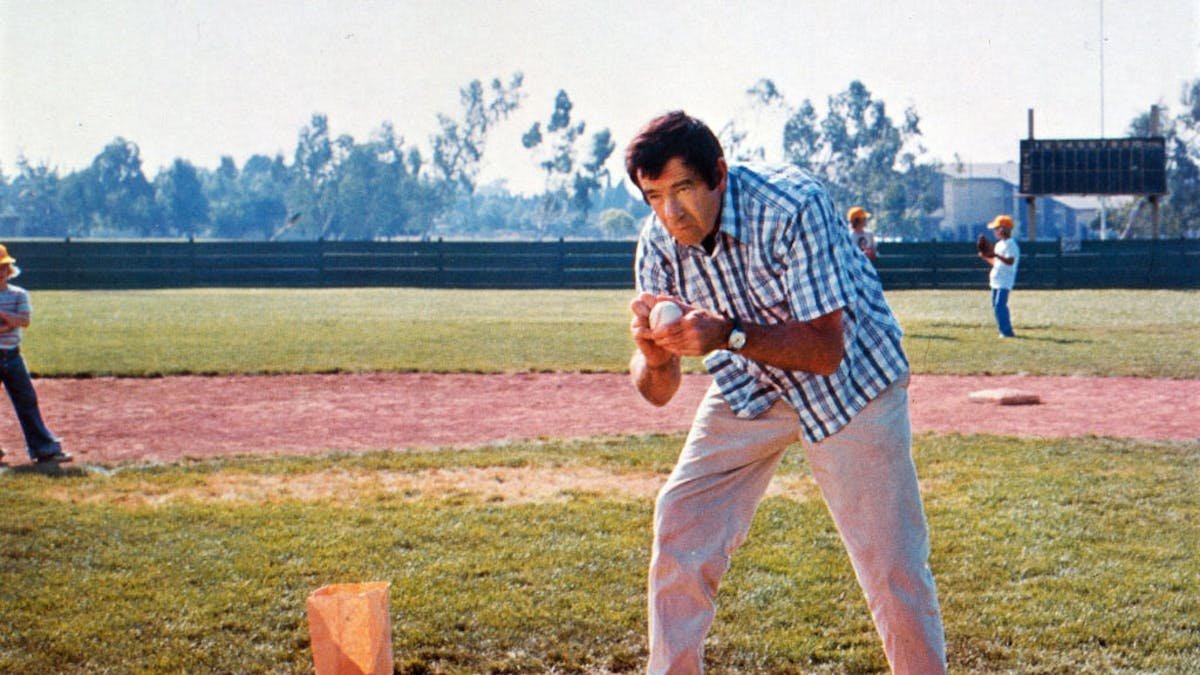
The days of the Bad News Bears are long gone. No longer can a drunk, a bail bond company, and a cigarette-smoking teenager propel an underdog team to victory in the world of youth sports. Today, it’s all about time, money, and travel. Mostly, though, it’s about over-involved parents—ones who are too often living vicariously through their little athletes.
That’s the argument from Rich Cromwell, a writer and longtime soccer dad, whose essay for The Daily Wire takes aim at the parents he says have turned youth sports into a high-stakes, high-cost grind. Cromwell’s piece, published this week, draws on his own 12 years of experience watching his daughter play club soccer, and it lands on a blunt conclusion: the money isn’t the real problem—parents are.
A sport that stopped being fun
Cromwell is careful to say he’s not blaming private equity, which has increasingly moved into youth sports. He acknowledges that money men have noticed all the cash flowing through travel-ball circuits and decided it was a worthy investment. But he argues that the industry only grows because parents won’t say no.
“Clubs wouldn’t charge what they charge if parents said no,” he writes. “Private equity wouldn’t be interested if the money weren’t there, because parents don’t say no.”
His own family contributed to that economy. His daughter started in a program called Happy Feet at her daycare, fell in love with the game, and eventually moved through club teams, tournaments, and travel. Cromwell says the costs were significant—though he admits he never totaled them up. “Sometimes it’s mentally easier to not total up every line item in the budget,” he writes.
The experience wasn’t all bad. Cromwell recalls museum visits, zoo trips, and walks through historic downtowns between games. But he also saw the darker side of youth sports, the kind detailed in a recent New York Magazine piece by Caitlin Moscatello titled “Pay to Play Childhood.” In that article, Moscatello describes guest players—so-called ringers—getting playing time over regular team members, parents screaming at kids, coaches, and referees, and families spending holidays and vacations traveling to ever more specialized tournaments.
Cromwell saw that too. He writes about a controversial tournament final his daughter’s team lost after a referee failed to call a foul on the opposing team. His daughter, the keeper, had the ball securely in her hands when the other team knocked it free—a clear violation—but no whistle came, and the opponents scored. Cromwell told his daughter it was a good game anyway. She didn’t speak to him for 30 minutes.
“That’s when she sheepishly asked from the backseat, ‘Can we stop and get some food?'” he writes.
The Gen X overcorrection
Cromwell’s central thesis is that Gen X parents—his own generation—are responsible for the current mess. He points to two culprits: birthrates and overcorrection.
When he was a kid, Cromwell says, there were enough children in a neighborhood to support pickup games and local rec leagues. By the time he was a father, that wasn’t the case. “There weren’t enough children within a mile radius to put together a decent pick-up game,” he writes. Travel brings together a dwindling number of children.

Then there’s the overcorrection. Gen X, Cromwell argues, loves to brag about “feral” upbringings, a lack of rules, and the toughness that came from being left alone. But when it came time to raise their own kids, they gave them the exact opposite experience.
“We complain about helicopter parenting and participation trophies while not thinking about where those problems came from, then get mad and try to organize our way out of being overly organized,” he writes.
The result, he says, is a travel-club system that leaves no time for being feral, is hyper-competitive, and—ironically—has no participation trophies, which he calls “one of the best things about club sports.”
And because there aren’t enough kids to fill local leagues, families drive hours for tournaments that sometimes end with a final against a team from the same town they drove from. Cromwell acknowledges the absurdity. “If it seems silly, it is,” he writes, “but kids also don’t want to play in a tournament that features a grand total of three teams.”
The pressure to be amazing
Cromwell is careful not to dismiss the American impulse to excel. That drive, he says, is part of what makes the country great. But he warns that the impulse needs to be evaluated, and he quotes UCLA coaching legend John Wooden: “Don’t mistake activity for achievement.”

In travel ball, Cromwell argues, activity is often mistaken for achievement. Parents push for one more practice, one more session with a college coach, one more night watching game tape. But what kids actually need, he says, is to be kids—not products to be developed through relentless activity.
He points to smart, successful people—often in careers with objective goals and low risk tolerance—who become convinced their kids will beat the odds. Maybe they’re former players whose own college careers were derailed by injury. Maybe they’re parents who came from nothing and want to give their children advantages they never had. But, Cromwell notes, no amount of private coaching can teach raw talent. “Raw talent is what’s going to get kids into college on a scholarship and a Name, Image, Likeness (NIL) deal,” he writes.
A family that walked away
Cromwell’s own story ended with his daughter quitting soccer to focus on choir. He says her club had become too focused on getting players to college ball, and the fun had drained out of it.
It wasn’t always that way. After being cut from one club, she ended up on what Cromwell calls “the greatest team she ever played for.” They won, but more importantly, they had fun—because the parents didn’t make it about themselves. Cromwell recalls a night before a tournament final when the coach and some parents spent time at a burlesque club across the street from the hotel instead of obsessing over the next two games. The team won the championship.
That club eventually fell apart after some defections to other sports and an influx of new parents—”and if you think it was the kids who led that uprising, you’d again be wrong,” Cromwell writes. His daughter ended up back on the team she’d been cut from years before, now coached by two passionate fathers. She’d been recruited after playing as a guest player, which is exactly the kind of arrangement Moscatello described in her piece.
But when the focus shifted from enjoying the game to chasing the next level, his daughter retired. Cromwell says they didn’t argue with her.
“She just wanted to get out there and have fun,” he writes. “And then, when the focus wholly turned to the next level rather than the current one, when it ceased being any sort of fun, she retired.”
Cromwell’s advice to parents: don’t mistake activity for achievement, and don’t live through your kids. “What the kids actually need is for their parents to let them be kids,” he argues, “instead of seeing them as a product to be developed through relentless activity.”
Source: www.dailywire.com — https://www.dailywire.com/news/how-gen-x-broke-youth-sports