
There are moments in life that we don’t recognize as sacred until they’re long gone. For Pete McArdle, writing in American Thinker, that moment came in the form of a photograph—a snapshot taken exactly twenty years ago, at a restaurant on the shores of Lake Seneca, New York. The photo shows McArdle, then 53 and still lean from daily swimming, standing behind his 86-year-old mother, Betty, pretending to strangle her. She’s seated, childlike, her bright-white bun of hair and piercing glare still intact despite the dementia that had already begun to steal her away.
The image is equal parts love and humor, a frozen moment that captures the essence of a relationship that was, by McArdle’s own admission, lifelong and highly combative. “Betty would surely have laughed at my, er, vibrant crime tableau,” he recalls. Indeed, the photo is a testament to their shared sense of humor—a humor that endured even as her memory faded.
A Last Meal on the Lake
McArdle writes that his mother loved restaurants with water views, good food, and martinis—not necessarily in that order. That day, he was desperate to spark something in her eyes, even though she was “only sending out messages at that point and no longer receiving any.” With her dementia rapidly worsening, he ordered her a vodka martini—dry, of course.
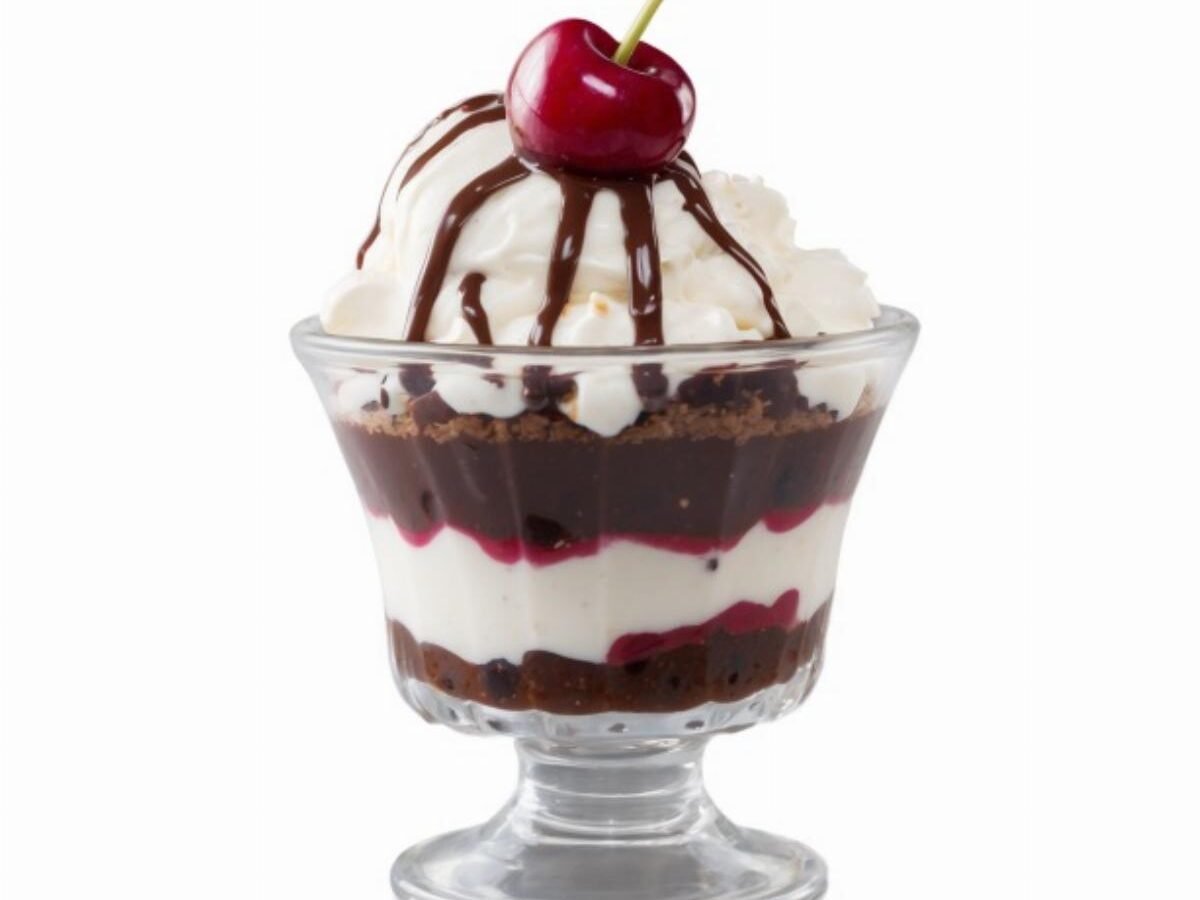
The drink did its job. Betty perked up, slowly sipping the martini while regaling him with old family tales, some of which were true. But then she fell asleep when her fish dinner arrived. The meal, as McArdle notes, was “boxed to go,” but not before Betty rallied for a chocolate ice-cream sundae. The photo on the table in front of her shows an empty martini glass and a well-cleaned sundae dish. “The lunch of champions, it was not,” he quips.
Their server, a man McArdle thinks was named Chet, was less than amused—especially after McArdle, in his own words, made the waiter complicit in a “disturbing matricide photo.” By meal’s end, Chet was glaring at him, and McArdle left a particularly nice tip in response. “Waitstaff didn’t cheerily announce themselves twenty years ago,” he notes, a small detail that grounds the story in its mid-2000s setting.
The Weight of Memory
That meal was the last conversation McArdle and his mother ever shared. She slept on the ride home to Corning, New York, and soon after entered hospice. He saw her once more, but she was completely comatose—no longer sending or receiving, not even eating. The photograph, taken by a waiter on a lakeside afternoon, is now a relic of a final act of connection.
Reflecting on the image, McArdle writes that he felt “love, longing, sadness, pride, and regret.” He also felt a deep appreciation for the mother who adopted him—a woman with whom he shared blue eyes, an abiding love for dogs, and certifiably bad attitudes. “We certainly looked related, even though I was adopted,” he notes, a simple sentence that carries the weight of a bond that transcended biology.
The Fragility of Emotion
McArdle is candid about the emotional turmoil that old age has brought. “While I’m enjoying old age for the most part, it’s disturbing how sensitive and emotional I’ve become,” he writes. Photographs, in particular, trigger time travel—and with those trips come powerful emotions, whether he wants them or not.

He describes the physical changes visible in the photo: lean shoulders that have since sloped, dark hair that has thinned, a face that would later be marred by precancers, lesions, and post-cancer scars. These markers of time are juxtaposed with the image of his mother, who looked well despite the dementia, her face full and her bun bright white.
“It’s clear to me that, for the duration, I’m no longer fully in control of my emotions,” McArdle admits. His solution is practical, if humorous: “I’ll simply have to, in addition to mirrors, microplastics, and three-bean chili, start avoiding old photographs.”
A Reflection on Loss and Love
The essay is a meditation on the many ways we lose the people we love—not all at once, but piece by piece. For Betty, the loss was incremental, a slow erasure of memories and self. For McArdle, the loss is in the looking back, in the recognition that the woman in the photo was already fading, and that this final meal was a gift he didn’t fully appreciate until it was gone.
There is no political agenda here, no cultural commentary. The piece, published on American Thinker, is a personal reflection—a reminder that even in the most combative of relationships, love can find a way to express itself, whether through a shared joke or a shared sundae.
As McArdle drinks in the old photo, he feels it all. And in his telling, we are invited to feel it with him—the bittersweet ache of a last meal, the absurdity of a pretend stranglehold, and the quiet grace of a mother who, even in her final days, rallied for a chocolate sundae on the shore of a lake.
Source: www.americanthinker.com — https://www.americanthinker.com/blog/2026/08/a-photo-of-mom-and-me/