
In a commentary published Tuesday, American Thinker columnist Mike McDaniel argues that the national reckoning that followed George Floyd’s death in Minneapolis in 2020 was not a response to a genuine injustice but a “moral panic” — a manufactured fraud that has outlived its usefulness. The headline frames the piece around a “genuine problem,” and McDaniel’s answer is blunt: it wasn’t the police.
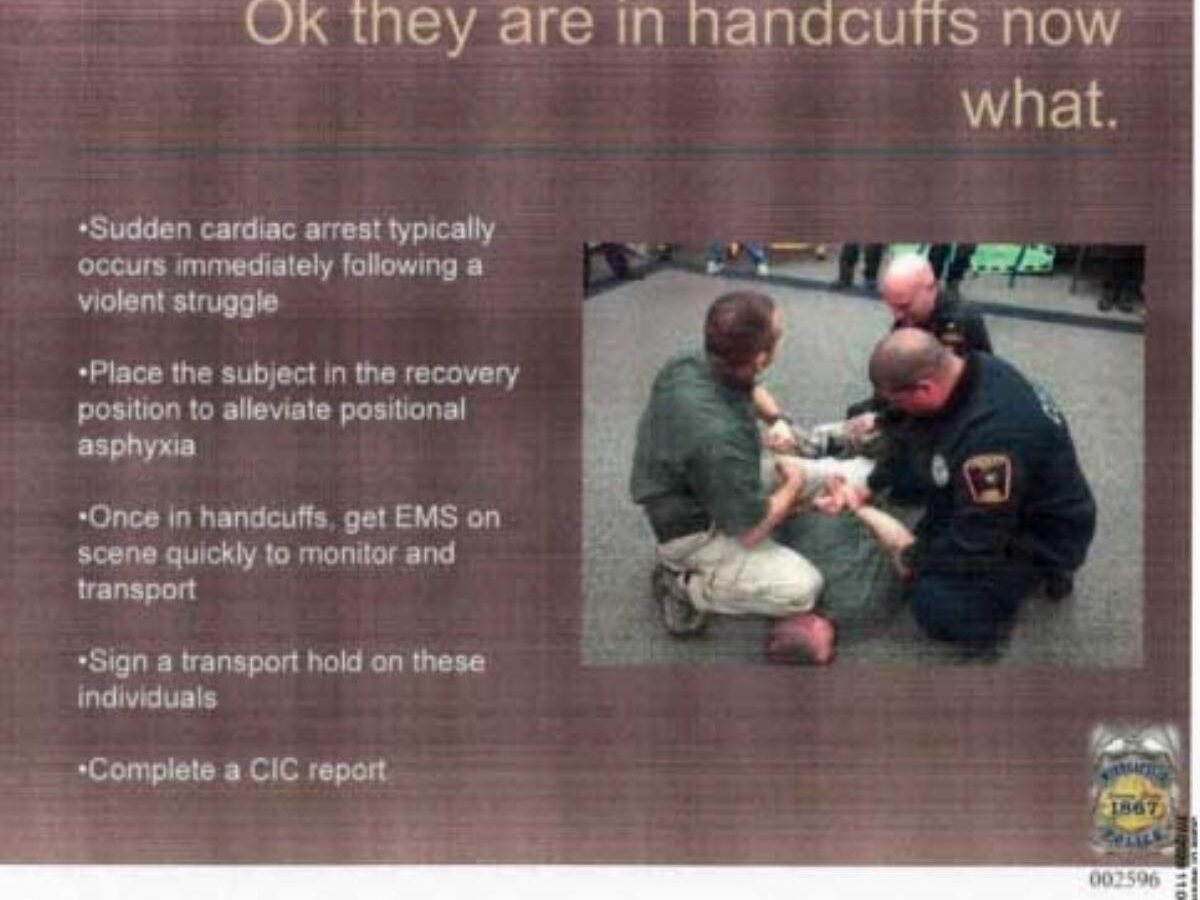
McDaniel, a retired police officer and blogger, writes that he covered the case from the start and offers what he calls a reminder of the facts as he sees them. He contends that Floyd was a “career felon” who had once held a gun to the belly of a pregnant woman, and that officers were called because Floyd was attempting to pass counterfeit money. According to his account, Floyd resisted arrest, and the officers restrained him using a technique taught in the Minneapolis Police Department academy.
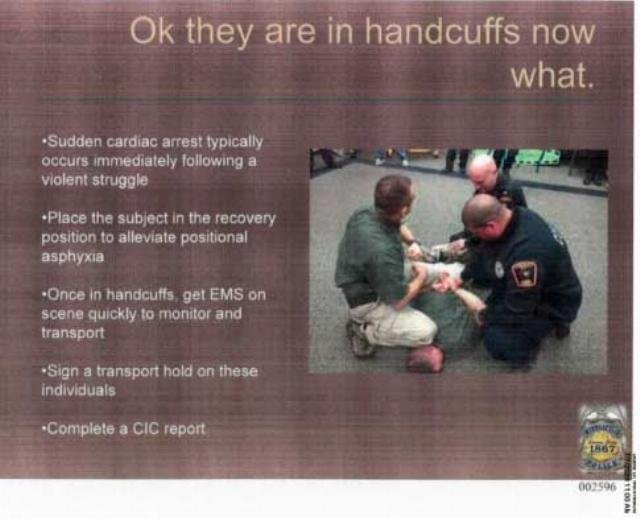
A central claim in the column is that the highest-ranking MPD officers committed perjury by testifying against the technique, despite what McDaniel describes as voluminous evidence of its use, including photographs from the department’s curriculum. He asserts that Floyd “committed suicide by cop,” a conclusion he says was revealed by the autopsy, though he acknowledges the doctor who performed it later recanted under what McDaniel characterizes as extreme pressure.
As McDaniel describes the autopsy findings, Floyd suffered from severe arteriosclerotic heart disease and hypertensive heart disease with a clinical history of hypertension, and showed no life-threatening injuries, including none to the neck or throat. The column also states that the level of fentanyl in Floyd’s blood was more than three times the known lethal dose, and that methamphetamine and cannabinoids were also present, compounding his medical issues.
McDaniel writes that Floyd had a documented history of trying to destroy drug evidence by eating it when confronted by police, and argues that the amount of fentanyl he ingested before encountering officers was more than enough to kill him. He calls it a medical miracle that Floyd wasn’t already dead. In his reading, Floyd’s complaints that he couldn’t breathe, his cries and foaming at the mouth were signs of a man dying from self-abuse rather than police brutality. He also claims Floyd knew his fragile condition but continued ingesting lethal levels of drugs.
On the question of racism, McDaniel states flatly that there was no sign of it, and notes that multiple people in the crowd urged Floyd to cooperate. He points out that the officers twice urgently called for an ambulance, which eventually arrived. His argument is that it was Floyd, not the officers, who demanded to be placed in the position he was in, because he sensed he was dying.
A city described as an incubator
The column then widens its lens to Minneapolis in 2020, which McDaniel calls a perfect incubator for revolutionary violence. He cites a pro-criminal, anti-police mayor and city council presiding over what he calls an ultra-woke city and state government, with Black Lives Matter at the height of its political influence and Antifa well established. He describes the local prosecutor and state attorney general as anti-police revolutionaries.
According to McDaniel, Derek Chauvin and the other officers were tried by a biased judge and jury in a carnival atmosphere, with evidence favorable to the defense ruthlessly suppressed and change-of-venue motions denied. He writes that the officers were convicted under those conditions.
McDaniel concludes by arguing that Floyd, whom he describes as a man no one should emulate, was anointed an unholy social justice martyr for a revolutionary cause. He notes murals depicting Floyd with angel wings and halos became pop art, and that he was lauded as an example of widespread national police murder of unarmed black men despite what McDaniel says is no evidence to support that contention.
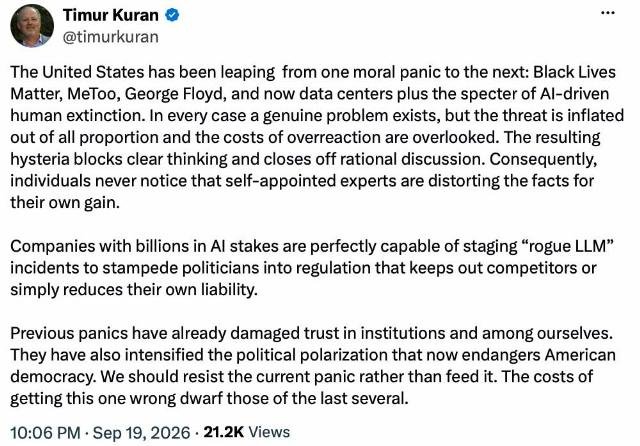
The piece closes by returning to its opening question: the “genuine problem” in the Floyd case, McDaniel writes, wasn’t the police. It was, in his words, cynical and evil politicians and race hustlers who caused enormous damage to everyone.
The column appears in American Thinker’s opinion section. It offers a maximalist version of a revisionist account of the Floyd case — one that rejects the conclusions reached by the jury that convicted Chauvin and by the medical examiner’s initial findings, and that reframes the national protests as the product of manipulation rather than grievance. McDaniel’s assertions about the autopsy, the fentanyl level, and the police technique are presented as established fact in the column, though they remain contested in the broader public record.
McDaniel’s biography, included at the end of the piece, lists him as a USAF veteran, classically trained musician, Japanese and European fencer, lifelong athlete, firearm instructor, retired police officer, and high school and college English teacher, as well as a published author and blogger at Stately McDaniel Manor.
For readers encountering this argument for the first time, the column is less a work of reporting than a polemic — a deliberate provocation aimed at an audience already inclined to see the summer of 2020 as a moral panic rather than a moment of reckoning. Whether it lands depends largely on whether one accepts McDaniel’s framing that the case was rotten from the start, or whether one sees in that framing yet another attempt to relitigate a verdict that a jury already reached.
Source: www.americanthinker.com — https://www.americanthinker.com/blog/2026/10/the-moral-panic-of-george-floyd/