
In a column published September 10 at American Thinker, writer Mike McDaniel makes a case that has become a recurring theme in conservative commentary: Democrats, he argues, cannot seem to locate or field “normal men” — and the party’s clumsy attempts to project toughness end up revealing how poorly it understands what voters actually admire.
McDaniel, a USAF veteran and retired police officer who writes the Stately McDaniel Manor blog, frames the piece around a list of qualities he treats as baseline rather than aspirational: no history of abusing or raping women, no “perverse sexual proclivities,” a grasp of reality that includes a traditionally male conception of God, and a social media footprint that isn’t a years-long trail of what he calls “bull goose loony” posts.
That last category, he suggests, is where the political damage compounds. A candidate who accidentally reveals genuine beliefs in an old post, then tries to scrub it, then issues a non-apology apology, leaves party leaders calculating when to throw him under the campaign bus — a cycle McDaniel treats as routine rather than exceptional.
Political theater and the tank helmet
The column’s most concrete material is its catalog of Democratic attempts at performed masculinity. McDaniel reaches back to Michael Dukakis poking his head out of an M1 Abrams tank turret in 1988, chinstrap askew, and treats it as the prototype of the genre — the moment a politician’s effort to look martial instead reads as small.
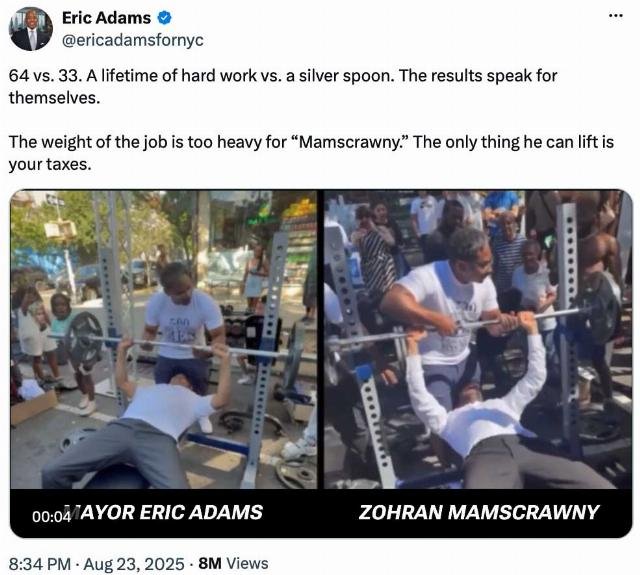
From there he moves to more recent examples. He cites then-New York mayoral candidate Zohran Mamdani attempting a bench press while his older opponent, Eric Adams, “easily pumped off reps” — a contrast McDaniel uses less to discuss fitness than to pivot into a broader attack on Mamdani’s politics, arguing that physical weakness shouldn’t be mistaken for a lack of willingness to find more capable allies if Islamists were ever to take power. He adds a jab at American Marxists, saying they aren’t producing much manliness either.
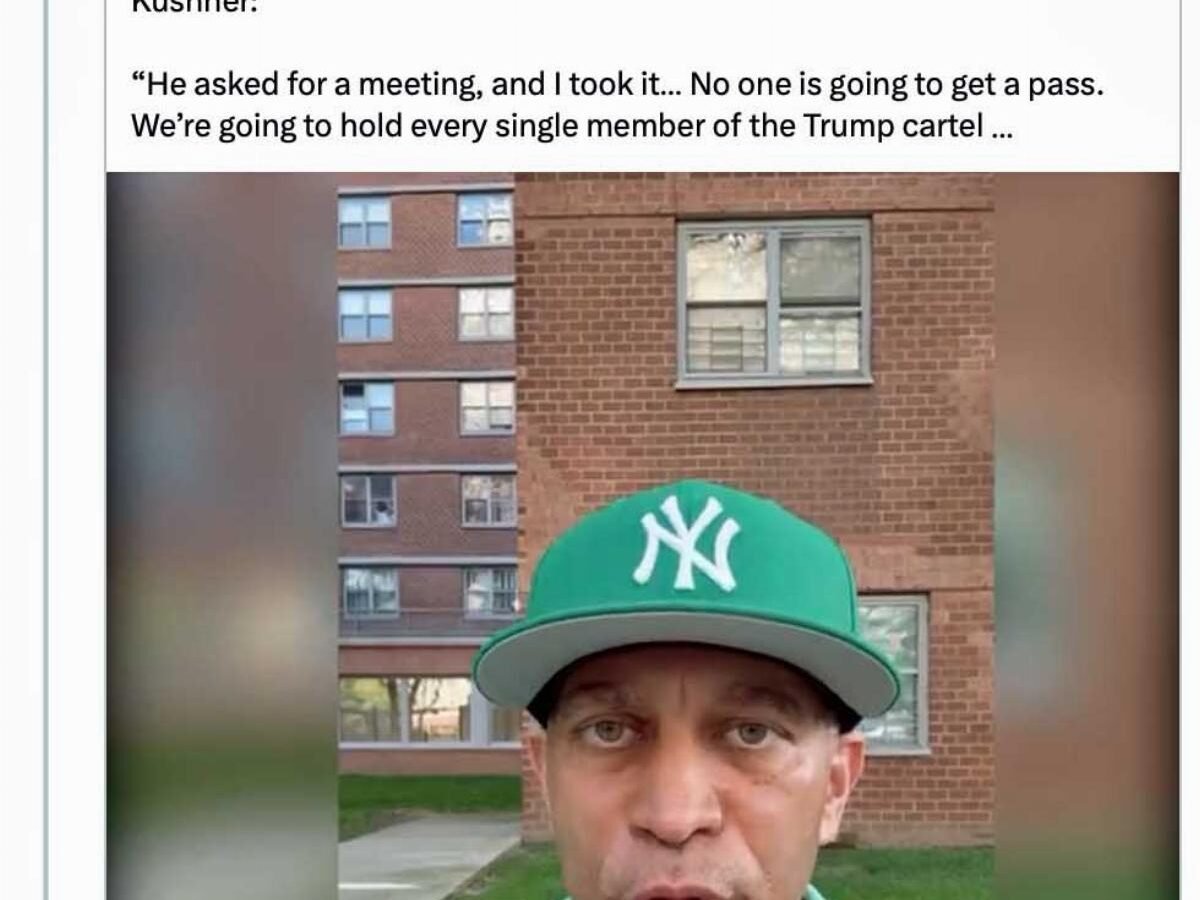
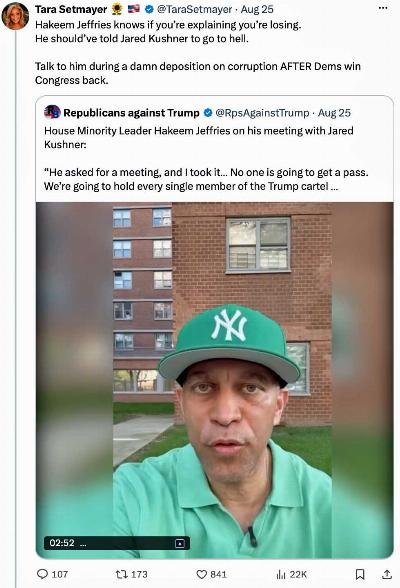
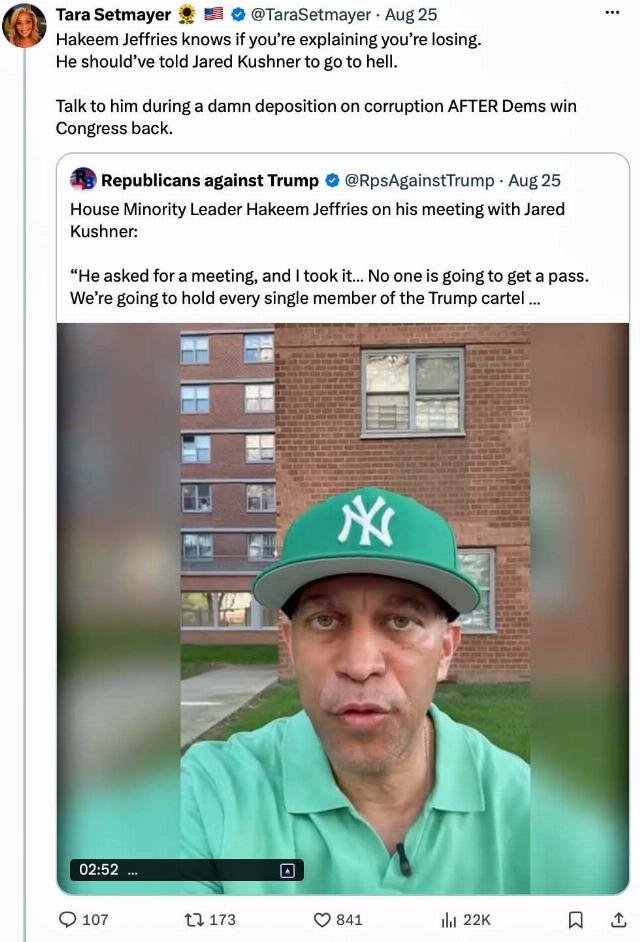
House Minority Leader Hakeem Jeffries gets extended treatment. McDaniel notes Jeffries’ call for “maximum warfare” against Republicans, then pairs it with a photograph of Jeffries holding a baseball bat and a second image in which, in McDaniel’s telling, the leader looks “like a particularly dense adolescent in his dad’s hat.” The column cites a tweet suggesting the bat photo failed to attract actual women, whom McDaniel credits with knowing what real men are. He also alludes to Democratic colleagues who, he says, have been “measuring bus wheels” for Jeffries for months — a reference to speculation about his standing that McDaniel treats as an invitation to quit while behind.
Media forecasts and the reality test
McDaniel turns briefly to the press, mocking predictions of a “blue wave” or even a “blue tsunami” in the midterms by noting that pollsters have recently been badly wrong. The underlying argument is that recognizing and dealing with reality, rather than what ought to be, is itself one of the most telling markers of manhood — and that a profession consistently misreading the electorate isn’t in a position to lecture anyone about it.
He anticipates a counterargument: that figures like Hasan Piker are physically imposing and Abdul El-Sayed is “kind of muscly.” His answer is dismissive — so what — followed by the charge that both men hate America and support foreign actors hostile to Americans. To anchor the point he quotes George Orwell’s line that people “sleep peaceably in their beds at night only because rough men stand ready to do violence on their behalf,” then amends it: these days, rough women qualify too, and are more manly than most Democratic politicians.
What McDaniel says voters actually want
The constructive half of the essay arrives late. McDaniel lists what he considers genuinely American male values: honesty, responsibility, reliability, decency, delayed gratification, no record of rape or domestic violence, natural compassion, no compulsion to threaten others or inflate accomplishments, and no instinct to pose with a baseball bat in an office in street clothes. He concedes, briefly, that some men do wear stupid hats.
His central claim is a psychological one: if you think you have to prove you’re manly, you aren’t. Normal Americans, and especially normal American women, already know this, he writes. Democrats either don’t — or abandon that knowledge out of desperation.
He closes by hoping enough voters will find traditionally masculine traits persuasive: duty, honor, self-sacrifice, and love of country and its people, which he credits with winning wars and preserving liberty. His final line inverts his own opening: it is electing “girly men” that produces the times in which voters rediscover and appreciate manly virtues.
The strategic bet underneath the essay
Stripped of its provocations, McDaniel’s argument rests on a familiar wager — that voters, including some Democrats and most Independents, respond to quiet competence and traditional masculine signaling more than to either aggressive posturing or its opposite. The evidence he offers is anecdotal and visual: photographs, a bench press, a tank turret. Whether that translates into midterm behavior is exactly what the polls he distrusts are trying to measure.
The column is also a reminder of how thoroughly the masculinity debate has been absorbed into electoral strategy. Both parties now spend real energy on how their candidates look doing physical things, wearing clothes, and standing near props. McDaniel’s contribution is to insist that the audience for these performances is smaller and more discerning than consultants assume — and that the qualities that actually move voters are the ones least amenable to staging.
For American Thinker’s audience, the piece functions as reassurance as much as argument: a claim that ordinary Americans still recognize the real thing, and that the party currently struggling to produce it will pay a price.
Source: www.americanthinker.com — https://www.americanthinker.com/blog/2026/09/rediscovering-the-manly-virtues/