
A group of track-and-field athletes has filed a lawsuit against Puma and Mercedes F1, alleging that the performance design of certain running shoes altered their biomechanics and led to repetitive stress injuries that derailed their careers. The claim, reported by The Daily Wire, centers on the Deviate Nitro 2 and Deviate Nitro Elite 3, shoes marketed for elite performance. The athletes say the footwear’s design—featuring carbon-fiber plates and thick foam—caused them to strike the ground in ways their bodies weren’t conditioned to handle, resulting in injuries they describe as career-altering.
The lawsuit lands as a growing number of recreational runners and weekend athletes are rethinking their own footwear, many turning to so-called barefoot or minimalist shoes that promise a more natural stride. But as one writer’s summer-long experiment shows, the shift comes with real trade-offs—and the benefits may be more modest than the marketing suggests.
What Barefoot Shoes Actually Promise
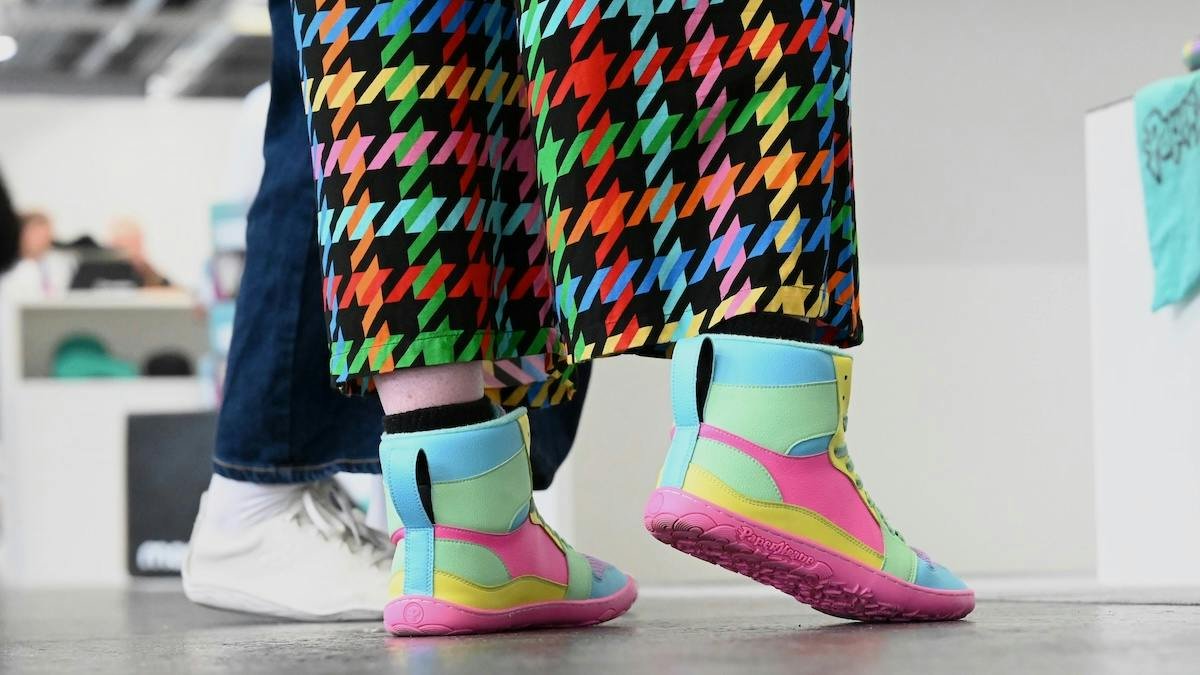
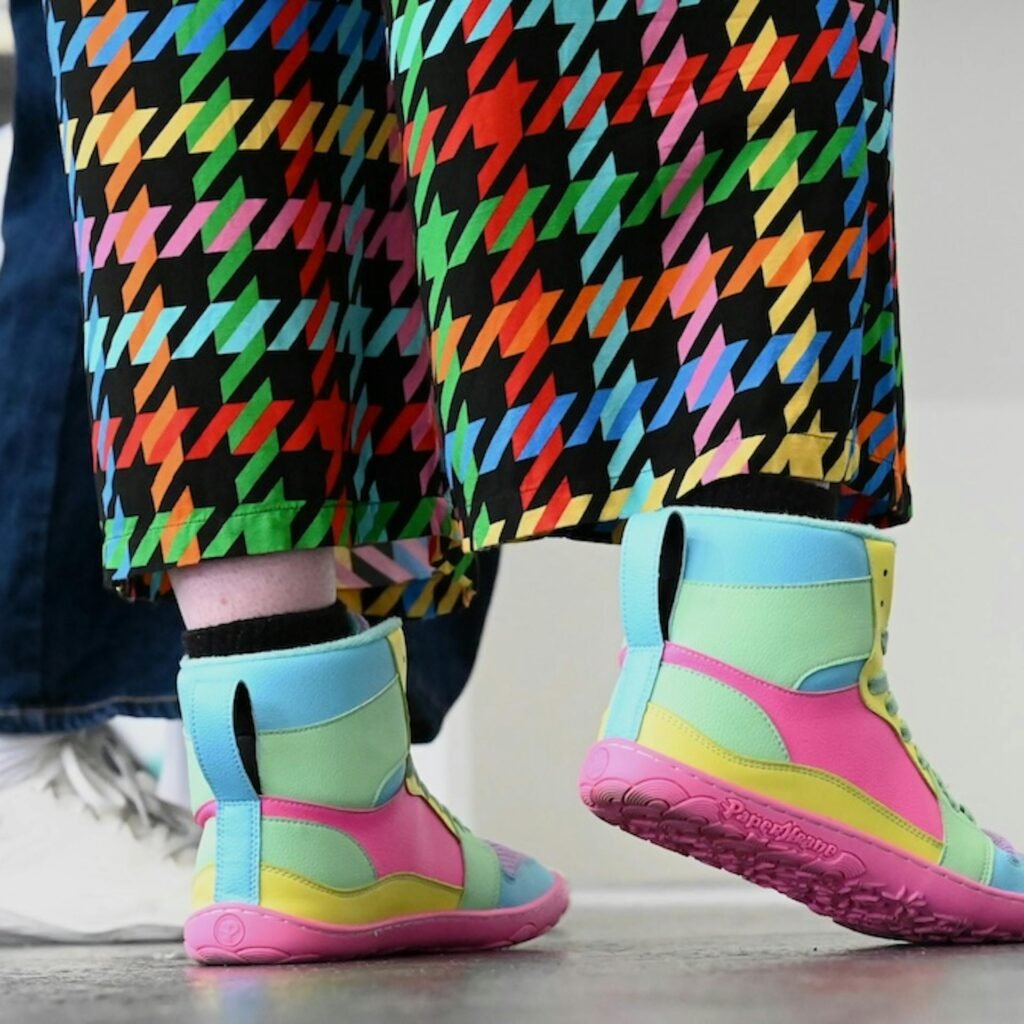
Barefoot shoes are designed to mimic the feeling of walking or running without shoes. They typically feature a foot-shaped toe box that’s longest at the big toe and tapers toward the pinky, rather than a conventional “wide” toe box that simply expands a standard shape. They also have a “zero drop” design, meaning the heel sits at the same height as the toes instead of being elevated. The soles are thin, flexible, and minimally cushioned, allowing the wearer to feel the ground beneath them.
Proponents advertise a list of benefits: stronger feet, improved posture, better running form, and reduced injury risk. The idea is that by letting the foot move naturally and sense small changes in terrain, the shoes encourage a more balanced, efficient gait. It’s a compelling pitch for anyone who’s ever suffered through a long run in conventional shoes—or, like the writer, experienced foot cramps that sent them searching for an alternative.

A Summer in Minimalist Shoes
The Daily Wire’s Jordan Jantz spent the summer wearing barefoot shoes almost exclusively, rotating through three pairs: Xero Shoes’ Prio for outdoor walks and jogs, the Prio Neo for the gym, and an ankle-strap sandal from Earthing Harmony for everything else. The first thing Jantz noticed was how much more of the ground came through—small bumps and gravel were palpable, though not painful. That increased ground feel is one of the touted benefits, intended to improve balance and form.
Over time, Jantz found that running form did improve. A habitual heel-striker, Jantz had always struggled to adopt the recommended mid-foot strike; in barefoot shoes, it became easier to practice. But there was a cost: running and walking speed dropped by about half a mile per hour. Performance shoes are engineered to return energy with each step, propelling the runner forward. While recreational running shoes lack some of the extreme methods of elite models—like carbon-fiber plates—they still use lifted heels and thick foam to achieve similar effects. For Jantz, speed was never the goal, but the slower pace was noticeable when walking with friends in conventional shoes.

The missing cushion was also apparent on pavement. Long-distance runs on city streets and sidewalks would be tough on knees and ankles, a concern echoed by other minimalist shoe adopters. The balance benefits, too, are less pronounced on hard, predictable surfaces than on trails or grass. Jantz noted that on the rare occasions when old conventional shoes were worn for garden work, the difference in stability—especially on hills—was night-and-day.
The Adjustment Period and Unmet Expectations
Barefoot advocates typically recommend a gradual transition to strengthen the foot and adapt to the new design. Because Jantz already worked from home and wore shoes infrequently, the shift wasn’t jarring; the first pair was worn only for walks and the gym months before going all-in. As a result, there were no major negative side effects—but also none of the dramatic health improvements some might hope for. Arches didn’t feel stronger, toes splayed only marginally wider, and old shoes still fit. There were no chronic injuries to heal, either.
The lawsuit against Puma and Mercedes F1 adds a more serious dimension to the debate over shoe design. The athletes claim that the very features meant to boost performance—the carbon plates, the elevated heels, the thick foam—can distort natural movement patterns and lead to overuse injuries. Puma and Mercedes F1 have not publicly responded to the allegations in the report. The case raises questions about how far performance engineering can go before it stops helping athletes and starts hurting them.
The Verdict: A Mixed Bag
As summer ends, Jantz plans to return to conventional shoes for some occasions—heels and platform Doc Martens still have a place. Replacing an entire wardrobe overnight would be costly, and the market, while growing, doesn’t yet offer a barefoot alternative for every style. But when it comes time to replace knee-high boots or canvas lace-ups, Jantz will look for barefoot options first. For this writer, the comfort of a roomier toe box and the sense of staving off potential injuries associated with performance shoes are enough to keep lacing up the minimalist pair.
The experience highlights a broader truth: barefoot shoes aren’t a cure-all, and they come with real adjustments—slower speeds, less cushioning, and a learning curve. But for those willing to trade a little speed for a more natural feel, they may be worth considering. The lawsuit against Puma and Mercedes F1, meanwhile, serves as a reminder that the pursuit of performance can have consequences—ones that athletes and weekend warriors alike are only beginning to understand.
Source: www.dailywire.com — https://www.dailywire.com/news/i-ditched-normal-shoes-all-summer-was-it-worth-it