
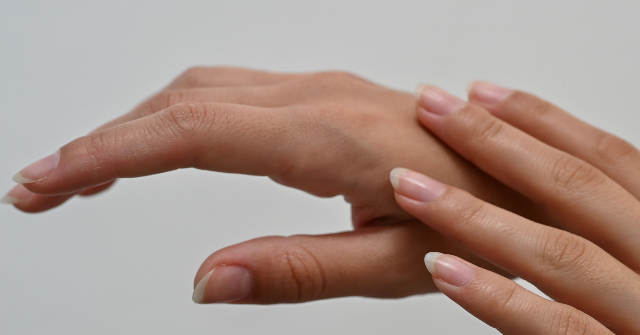
The BBC has removed an article from its website after a wave of criticism over its premise: that choosing not to paint one’s fingernails could be a sign of racial and class insensitivity, according to reporting by Breitbart News.
The piece, which ran roughly 1,400 words and included multiple interviews, was reported by Tiffanie Turnbull and Simran Sohal. It examined the trend of “bare nails” — the choice by some women, often celebrities, to leave their fingernails unpolished — and suggested that framing unmanicured nails as a marker of high status could carry troubling implications.
What the Article Argued
As Breitbart recounted, the BBC piece stated that “nail art’s historical and creative roots are linked back to black, Latino, and Asian communities and the suggestion that bare nails are now a sign of high status could stigmatise bold manicures.”
The article also quoted a beauty journalist who argued that the trend “really promotes blankness and this kind of sameness and erasure of culture and identity that is so important to black and brown communities.” Another passage noted that examples of the bare-nail look are “almost always white women or celebrities” and that observers “will often conflate class and taste with that bareness.”
Breitbart characterized the piece as an attempt to manufacture a controversy where none existed, arguing that the BBC invested significant reporting resources into a topic it described as “First World nonsense.” The outlet’s coverage framed the article as an example of a media outlet inventing racism rather than documenting it.
The Backlash
Criticism came quickly and from voices outside the usual partisan channels. Former Olympic swimmer Baroness Sharron Davies called the piece “divisive tosh,” while choreographer Rosie Kay described it as “utterly insane,” according to Breitbart’s account.
Opera historian Alexandra Wilson offered a lengthier rebuke. “The politicisation of absolutely everything is becoming deeply tedious,” she said. “We used to be a sane country. Women could wear nail varnish or not, according to their preference, and nothing further needed to be said, certainly not by the BBC.”
Wilson added: “This is the most absurd story ever and it demeans the BBC to be reporting as ‘news’ that going without nail varnish is (apparently) classist and racist.”
The intensity of the response ultimately led the BBC to take the article down, a rare move for the broadcaster, which typically stands by its published work even amid criticism. The removal was first reported by Breitbart.
A Broader Debate
For Breitbart’s readers, the episode fits a familiar narrative: that legacy media outlets remain committed to identity-focused framing even as public appetite for it appears to be waning. The outlet argued that while many Americans and Britons have grown tired of what they call “woke” content, elite media and entertainment institutions are reluctant to change course because doing so would require admitting error.
That interpretation is contested. Defenders of identity-conscious reporting argue that examining how cultural trends intersect with race and class is a legitimate journalistic pursuit, and that the backlash itself demonstrates how quickly such stories are weaponized in partisan media battles. The BBC has not issued a detailed statement explaining the removal, and it remains unclear whether the decision was driven by editorial reassessment or external pressure.
What is clear is that the article touched a nerve well beyond the usual culture-war combatants. The criticism from figures like Davies, Kay, and Wilson — none of whom are aligned with Breitbart’s politics — suggests that the piece struck many as a step too far even by the standards of a media environment saturated with identity-focused content.
Whether the BBC’s decision to remove the article represents a genuine shift in editorial approach or simply a tactical retreat in the face of bad press is an open question. For now, the episode serves as a case study in how quickly a story about something as mundane as fingernails can become a flashpoint in the ongoing argument over media, culture, and whose sensibilities get catered to.
Source: www.breitbart.com — https://www.breitbart.com/the-media/2026/09/29/nolte-backlash-forces-bbc-to-remove-article-claiming-bare-nails-are-racist/