
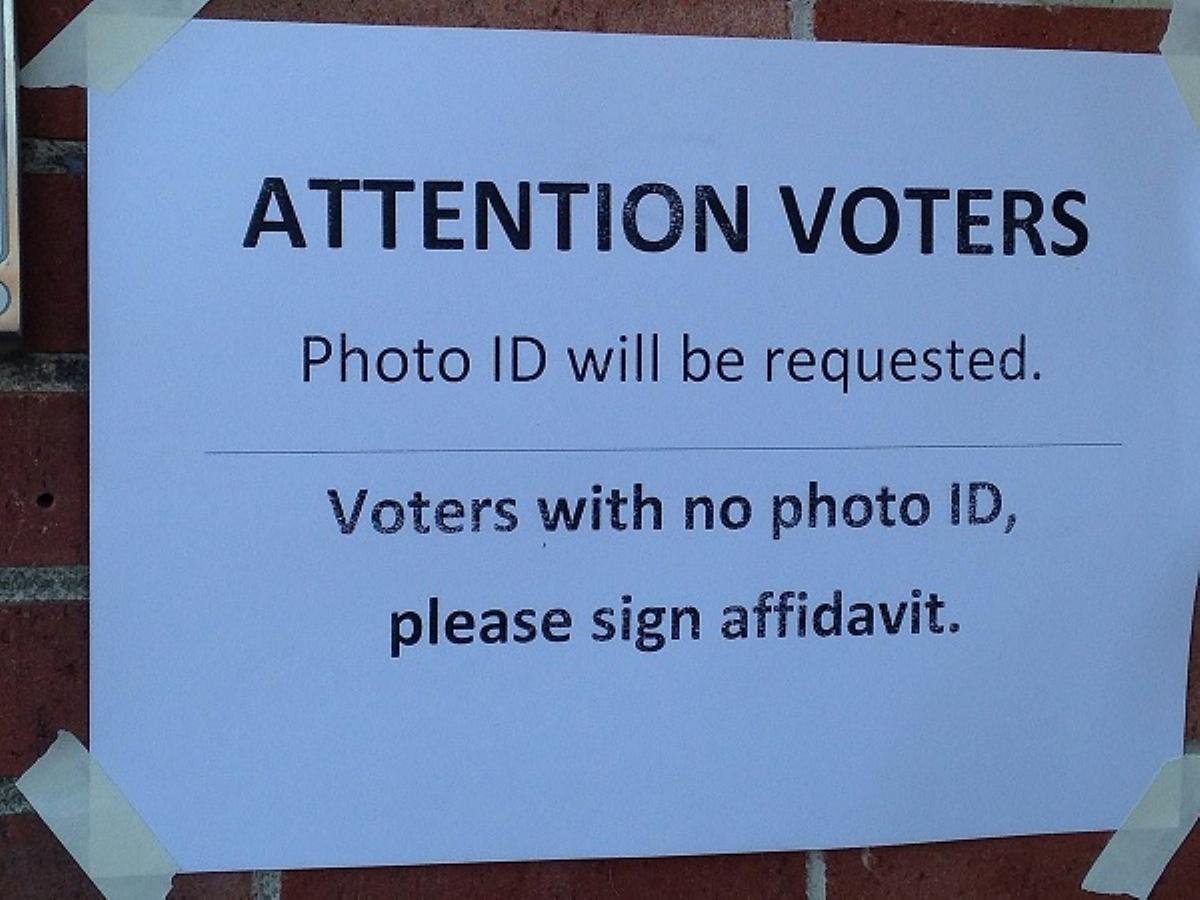
California has a law that says only citizens, only living people, only the person whose name is on the roll can vote. The question before voters this November is whether the state should finally check.
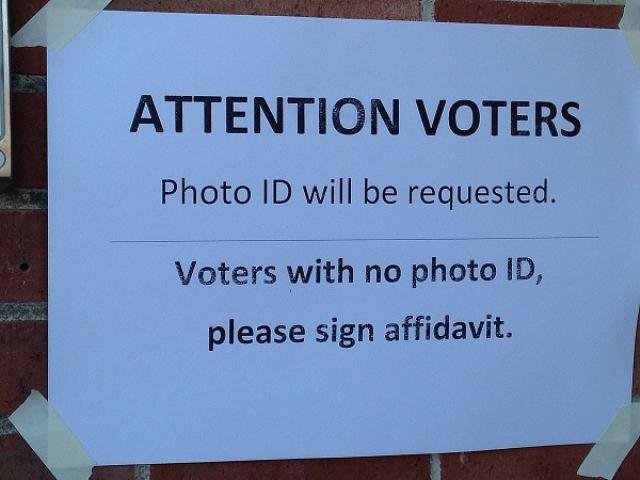
That is the heart of Proposition 39, a ballot measure that would require government-issued identification at the polls, the last four digits of a designated government ID number on mail ballots, and a free state voter ID card for those who need one. It also mandates a citizenship verification process using data the state already possesses, along with public reporting so counties can no longer hide how much of their voter rolls have actually been checked.
Supporters, including Republican lawmakers and grassroots organizers, frame the measure as a modest, practical step toward election integrity. Opponents, led by Democratic officials and voting rights advocates, describe it as an unnecessary barrier that could disenfranchise voters. The clash has become one of the most contentious issues on the state’s ballot.
A common-sense requirement or a solution in search of a problem?
Proposition 39’s backers point to the fact that 36 states already require some form of voter ID, with most mandating photo identification. California, they argue, is an outlier among large states, asking for ID to board a plane, pick up a prescription, cash a check, or rent a car, but not to cast a ballot. “That is not generosity. It is negligence dressed up as virtue,” wrote Kyle McClay, a Huntington Beach entrepreneur and Orange County Republican, in an opinion piece supporting the measure.
The measure is designed to address concerns about voter fraud and, perhaps more importantly, the perception of fraud. “The larger problem is a system that cannot prove itself,” McClay argues. “Signature review is subjective. When a race is close, that subjectivity becomes a political weapon. Prop 39 does not pretend fraud is everywhere. It removes the excuse for cynicism.”
Opponents counter that documented voter fraud is exceedingly rare, and that ID requirements disproportionately impact low-income voters, the elderly, and people of color. They point to extensive research showing that strict ID laws often suppress turnout among these groups without corresponding evidence of widespread fraud. The measure’s provision for a free state ID card and the preservation of mail voting, early voting, and same-day registration are meant to blunt those criticisms, but opponents remain skeptical.
The citizenship question
Proposition 39 would require officials to use existing databases to verify citizenship and then publicly report what share of each county’s voter roll has been checked. Supporters say this transparency is essential. “If the rolls are clean, the reports will show it. If they are not, voters will finally see it. Either result is better than the current arrangement, which is: trust us,” McClay writes.
Non-citizen voting is already illegal in California, but the measure’s backers argue that the law is rarely enforced because no robust verification mechanism exists. They point to places like Huntington Beach, which passed its own local voter ID ordinance and spent two years in court defending it against state challenges. That experience, they say, demonstrates that Sacramento is unwilling to implement basic verification without being forced by the state constitution.
A partisan battle over labeling and legality
The path to the ballot was itself contentious. Assembly member Carl DeMaio and State Senator Tony Strickland sponsored the initiative, and the groups Reform California and Californians for Voter ID collected more than 1.3 million signatures to qualify it. It is the first citizen initiative to qualify this cycle, a feat its supporters highlight as evidence of grassroots enthusiasm.
The measure’s opponents, however, have fought it at every turn, including over the official ballot language. Attorney General Rob Bonta titled it “Prohibits citizens from voting unless they present government-issued identification,” a formulation supporters argue is misleading and prejudicial. They sued over the wording, but a court allowed Bonta’s language to stand. “That is the tell,” McClay writes. “When the other side cannot beat the policy, they try to poison the label.”
The stakes for California’s elections
California runs the largest vote-by-mail operation in the country, and its reliance on signature matching has come under increasing scrutiny. Signatures change over time, and signature review can be subjective, leading to disputes in close races. Proposition 39 would shift the verification burden to a government ID number, a more objective standard.
For McClay, the measure is about restoring trust in a system that has lost it. “Institutions fail the same way companies fail: they stop checking the simple things and then act shocked when trust collapses,” he writes. “A bank that never verifies a signature does not get credit for being welcoming. It gets blamed when the account is emptied.”
Prop 39 won’t fix every problem facing California, its supporters concede. It won’t lower energy prices or reduce regulation. But it would, in their view, make casting a ballot look like every other serious transaction in American life.
As voters head to the polls on November 3, the decision will hinge on a fundamental question: Does California need to prove that its elections are secure, or is the current system sufficient? The answer will shape the state’s electoral landscape for years to come.
Source: www.americanthinker.com — https://www.americanthinker.com/articles/2026/09/california-still-needs-prop-39/