
George Clooney’s free speech absolutism sounded noble at the Venice Film Festival—until you realize he never actually said what Mark Ruffalo’s rhetoric was, or why it might be unacceptable.
According to a new American Thinker op-ed by Erez Levin, Clooney’s response to questions about Ruffalo offers a “masterclass in moral evasion masquerading as high-minded principle.” Instead of repudiating or even naming what Ruffalo said, Clooney offered an abstract platitude about defending speech he “completely disagrees” with, describing Ruffalo as “a good man.”
But Levin argues this is the “free speech straw man”: a rhetorical trick that converts an urgent moral question—Do you repudiate this rhetoric?—into a trivial legal one: Is he legally allowed to utter it?
The Real Question Nobody Asked
As Levin points out, no one asked Clooney whether Ruffalo should be jailed or silenced by statute. The state wasn’t at the door. The controversy wasn’t about legal rights; it was about whether what Ruffalo said crossed a line into conspiratorial, bigoted territory.
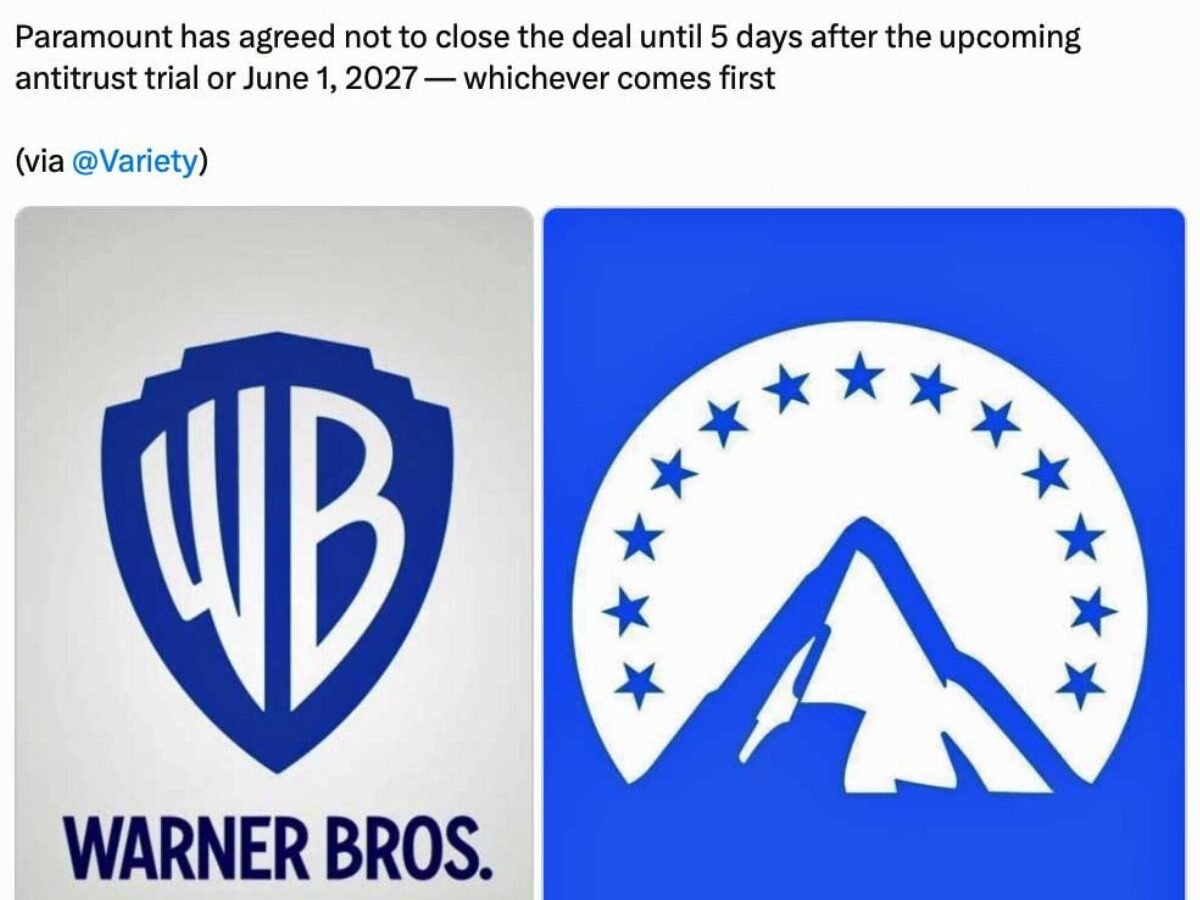
Levin argues that Ruffalo’s recent focus on the proposed Paramount–Skydance merger, singling out the Ellison family and board member Safra Catz and tying corporate transactions to alleged Israeli war crimes, “crossed cleanly from legitimate geopolitical debate into ancient tropes of sinister, shadowy control.”
By retreating to First Amendment truisms, Levin writes, Clooney pulled off “a cheap deflection” that lets influential figures traffic in dangerous tropes with zero reputational downside.
Legal Tolerance vs. Cultural Repudiation
Levin is careful not to dismiss free speech absolutism entirely. He notes that organizations like the Foundation for Individual Rights and Expression (FIRE) do “essential work” shielding citizens from administrative censorship. But he draws a sharp distinction between legal protection and social immunity.
The Constitution guarantees you won’t go to prison for what you say, Levin argues. It does not guarantee you an audience, a pass from peers, or insulation from disgust.
Citing the ACLU’s 1977 defense of neo-Nazis marching in Skokie, Levin notes that civil libertarians upheld a vital constitutional boundary against municipal tyranny—but they didn’t call the marchers “good men” or treat swastikas as an intellectual puzzle. Legal tolerance was matched by “unequivocal cultural repudiation.”
Organizing to hold someone morally accountable isn’t censorship, Levin insists. It’s the fundamental exercise of free association and free speech.
Perilous Perimeter Testing
Levin argues that prejudice rarely enters public discourse announcing its own malice. It arrives wrapped in activist slogans or populist outrage. When influential figures test the cultural perimeter, their friends’ silence expands that perimeter.
This dynamic, he argues, cuts across the political spectrum. On the progressive left, commentators like Hasan Piker blur lines between regional advocacy and platforming extremists, while allies like Abdul El-Sayed look away to avoid alienating online mobs. On the right, Tucker Carlson uses his platform to mainstream Holocaust revisionists, while figures like JD Vance dodge condemnation with vague talk of “independent thought” and “cancel culture.”
Levin’s diagnosis: tribal loyalty eclipses moral duty. Leaders refuse to enforce guardrails against their own friends because they fear conceding ground to political adversaries.
Intra-Tribal Accountability Works
External outrage from political enemies rarely works, Levin argues. A right-wing host wears progressive condemnation as a badge of honor; a left-wing celebrity dismisses conservative critiques as bad-faith posturing. Deterrence only works when it’s intra-tribal—when consequences come from peers whose respect the speaker actually values.
Levin points to historical examples: William F. Buckley Jr. excising the John Birch Society from the conservative movement, and Bill Clinton rebuking Sister Souljah at Jesse Jackson’s 1992 event. Both understood that coalitions require clean moral boundaries.
Holding someone accountable doesn’t require permanent social death, Levin writes. Society must preserve grace and open doors for redemption—but those doors only open after boundaries are enforced, not while offenses are being excused.
The essay concludes with a pointed challenge: Cultural icons like Clooney have stepped into the public square as political kingmakers. That makes them institutional gatekeepers—and because they can’t be voted out of office, the public obligation to hold them accountable is even higher.
“We can’t let them sanitize hate,” Levin writes, “and we certainly cannot let them gaslight us with the free speech straw man.”
Source: www.americanthinker.com — https://www.americanthinker.com/articles/2026/09/george-clooney-mark-ruffalo-and-the-free-speech-straw-man-how-cowardice-sanitizes-hate/