

A Washington Post article touting low regret rates among transgender youth who underwent hormone therapy is drawing sharp criticism for overlooking significant methodological flaws in the underlying study, including a 43% non-response rate and much higher regret among those who discontinued treatment.
The Headline Numbers vs. The Missing Data
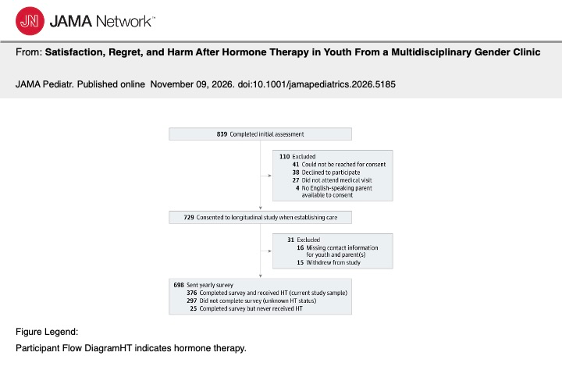
The Post’s November 11 report highlighted findings from a JAMA Pediatrics study claiming 97% of transgender youth who started hormone therapy reported no regrets five years later. But the Federalist notes the study initially contacted 698 participants – only 401 responded, with 25 excluded for never taking hormones. That leaves 376 valid responses, not the full cohort.

More critically, 297 potential participants – 43% of those contacted – never completed the survey. Researchers couldn’t determine whether these individuals continued treatment or regretted their decisions, leaving a major gap in the data.
Discontinuation Tells A Different Story
Among the 376 who started hormones, 65 had stopped treatment by the survey date. Within this group, regret rates jumped to 14% – nearly five times higher than the 3% figure widely reported. Seven of the eight participants who reverted to their biological sex accounted for over half of all regret reports.

Written comments from regretful participants cited feeling unprepared due to young age, mental health struggles, or lack of support. The average five-year treatment duration also masked that some respondents had begun hormones just months before the survey.
Conflicts And Funding Questions
Critics highlight potential conflicts: researchers worked at the facility providing the treatments, which follows WPATH guidelines the study ultimately endorsed. The team previewed findings at a WPATH symposium, and the sole outside expert quoted by the Post sits on WPATH’s board.
The $2.5 million NIH-funded study paid participants $45-$65 per survey. Other research paints a different picture – a 2022 military health study found 30% stopped hormones within four years, with testosterone users discontinuing at 36% rates.
When permanent medical interventions for minors are at stake, critics argue, journalists have an obligation to scrutinize studies thoroughly – not just report the rosiest percentages.
Source: thefederalist.com — https://thefederalist.com/2026/11/13/wapo-ignores-huge-errors-in-study-claiming-97-percent-of-opposite-sex-hormone-takers-have-no-regrets/
Background and context
The latest developments around Critics Slam WaPo For Overlooking Key Flaws In Study On Transgender Hormone Therapy Regret come amid a broader debate over politics, institutional accountability, and the policy choices that shape everyday life. Understanding the immediate facts is only the first step; the wider impact depends on how officials, institutions, and the public respond in the days and weeks ahead.
FedFront’s coverage focuses on verifiable details, identifiable sources, and the practical consequences of political decisions. Readers should review official statements, primary documents, and court or agency records before drawing final conclusions about any disputed claims.
Why it matters
Stories like this can influence legislation, regulatory enforcement, public trust, and the balance of power between government institutions. Even when the immediate headline fades, the underlying policy, legal, or political questions often continue to shape future decisions.
What to watch next
- Official responses, statements, or policy changes
- Legislative, regulatory, or court action
- Follow-up reporting and independent verification
- Public reaction and broader political fallout
FedFront will continue monitoring this story and update coverage as new information becomes available.
Source: thefederalist.com