
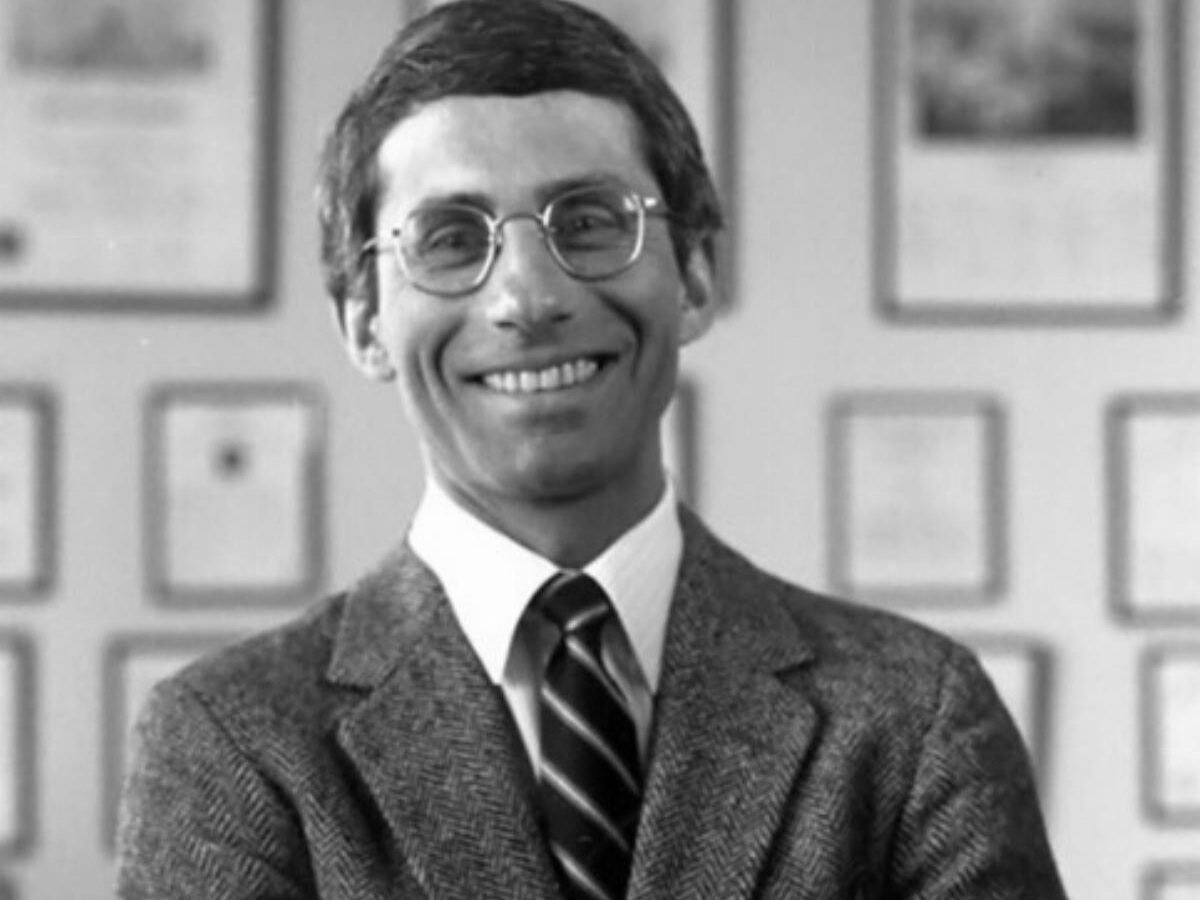
A physician who worked as a resident at a university medical center in 1974 has published a detailed account alleging that Dr. Anthony Fauci misrepresented a diagnosis to colleagues during a patient consultation—an incident the author suggests reveals character traits that persisted throughout Fauci’s controversial tenure during the COVID-19 pandemic.
Writing in American Thinker, Dr. S. Atcheson recounts treating a young man who was, in his words, “vomiting to death” from an undiagnosed illness. The patient had developed balance problems, difficulty swallowing, and severe nausea over a two-month period, with symptoms so severe he couldn’t keep down even tube-fed nutrition.
After extensive testing in an era before CT scans or MRIs, the medical team eventually diagnosed the patient with what was then called Wegener’s granulomatosis (now known as granulomatosis with polyangiitis), a rare autoimmune disease. The diagnosis was particularly unusual because the patient presented with meningitis, a manifestation never before documented with the condition.
The Disputed Consultation
When the patient was referred to the National Institutes of Health in Bethesda for evaluation, he was seen by the young Dr. Fauci, who had just taken over the clinic after the departure of Dr. Sheldon Wolff, then considered the world’s leading authority on the disease.
According to Atcheson, Fauci telephoned the senior attending physician and reportedly agreed with the Wegener’s granulomatosis diagnosis, recommending continuation of the same treatment regimen. However, when Atcheson requested a copy of the NIH medical records, he discovered what he describes as a troubling discrepancy.
“The doctors at the NIH did not agree with our diagnosis of WG—they thought he had something I will call LG,” Atcheson writes. “Dr. Fauci was the attending physician, and the notes in the Bethesda chart said that he agreed the patient had LG. But Dr. Fauci told our team that WG was the correct diagnosis.”
Atcheson characterizes this contradiction as “unforgivable” and describes the patient as “the victim” of the conflicting diagnoses. He argues that if the patient had worsened and been referred back to Bethesda, he would have received treatment for the wrong condition—daily high-dose steroids with “inevitable, severe side effects”—rather than the intermittent steroid treatment that was working well.
Medical Practice in the 1970s
The account offers a window into clinical medicine before modern diagnostic technology. Atcheson describes hospital work in 1974 as “just plain hard,” with residents forced to rely on physical examination, limited laboratory tests that took hours or days to process, and consultation with senior specialists who served as “walking, talking encyclopedias of medicine.”
“We had to think about our patients! We had to talk to them—for several minutes, at least,” he writes, quoting his mentor Dr. Herb Fred’s frequent question: “Why don’t people think?” The answer they learned: “Because thinking is painful, difficult, and time-consuming.”
In this environment, Atcheson emphasizes, “integrity among physicians was paramount” because so much was unknown and medical records often took weeks to transfer between institutions. He describes these records as part of “The Chain—the chain of knowledge we hung on to as we groped forward, trying to learn as much about our patients as we could.”
Connecting Past to Present
The article explicitly links this decades-old incident to Fauci’s recent appearance before the Senate, which Atcheson describes as “most illuminating,” particularly regarding Fauci’s diaries. He pushes back against the notion that Fauci changed due to “fame and adulation” during the COVID-19 pandemic.
“Dr. Fauci was dishonest with his colleagues more than half a century ago, and there is no evidence that he ever changed,” Atcheson concludes.
The account represents one physician’s recollection of events from 52 years ago, and Atcheson acknowledges he “never met Dr. Fauci or communicated directly with him” during the 1974 consultation. The article does not indicate whether Fauci has been asked to respond to these specific allegations about the patient case.
Fauci served as director of the National Institute of Allergy and Infectious Diseases from 1984 to 2022 and became a polarizing figure during the COVID-19 pandemic, with critics questioning his recommendations on lockdowns, masks, and the origins of the virus. His recent Senate testimony has reignited debates about his conduct during the pandemic and throughout his career.
For Atcheson, the 1974 case remains vivid despite the passage of time—one of those memories that “stick like epoxy” even as more recent events fade. Whether this account represents a formative incident in understanding a public health official’s career or a single disputed consultation in an era of medical uncertainty may depend largely on one’s existing view of Fauci’s later controversies.
Source: www.americanthinker.com — https://www.americanthinker.com/articles/2026/07/young-doctor-fauci/