
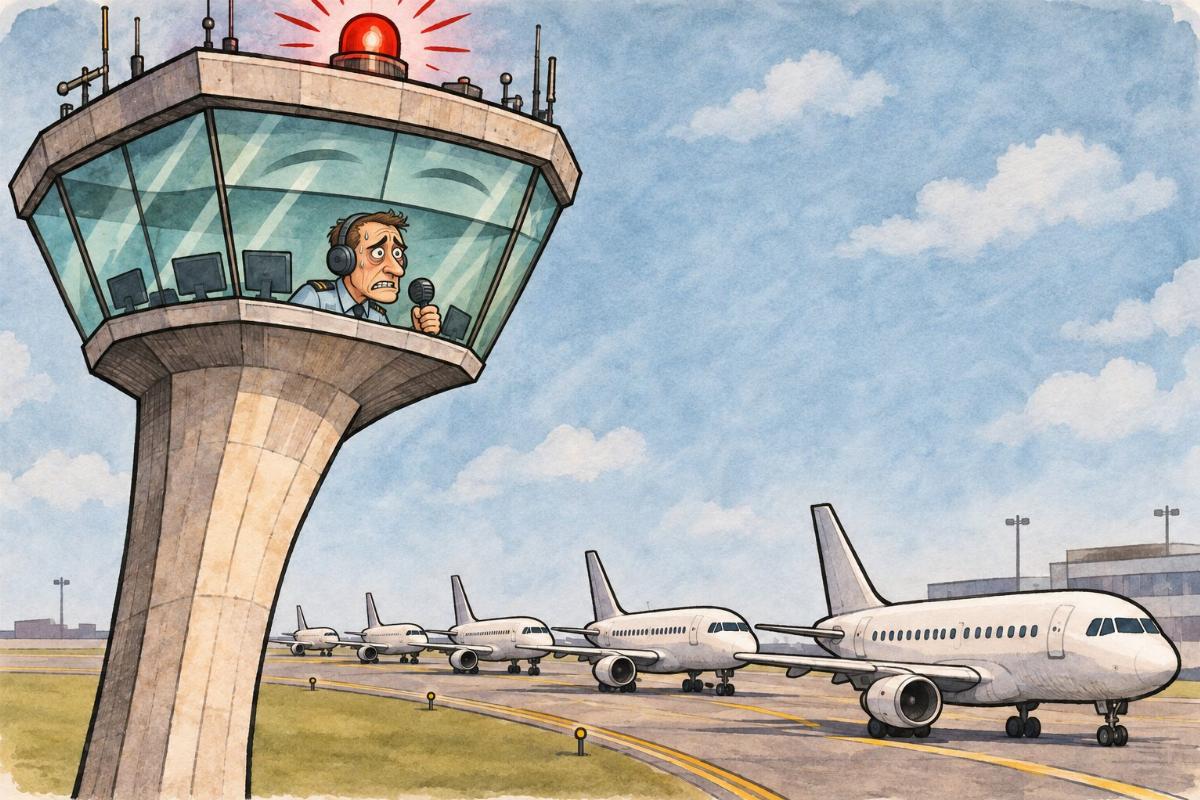
The FAA’s nationwide ground stop last week wasn’t just a temporary inconvenience—it was a stark reminder of how easily America’s airspace can be paralyzed. When air traffic control systems faltered, thousands of flights were grounded, revealing a fragile network with alarming single points of failure. And while officials insist the outage was accidental, experts warn that the same vulnerabilities could be exploited by hostile actors.
A Cascade of Digital Failures
The FAA incident wasn’t an isolated event. Days earlier, Microsoft services like Outlook and Teams crashed globally, and European supermarkets faced cyberattacks that sabotaged refrigeration systems, spoiling food supplies. Though these disruptions had different causes, they underscore a troubling reality: modern life depends on digital systems that, if compromised, can trigger chaos.
In the FAA’s case, a contractor’s infrastructure upgrade overloaded the network—including its backups. That meant a single technical glitch crippled communications across multiple air traffic control centers. Over 9,000 flights were canceled, and while no accidents occurred, the scenario could have been far worse if the outage had been intentional or prolonged.
Cyber Threats Loom Over Aviation
Aviation is uniquely vulnerable to digital disruption. Unlike supermarkets, where attacks cause financial and logistical headaches, a cyber breach in air traffic systems could endanger lives. Pilots and controllers rely on real-time data; if communications fail or radar feeds are corrupted, split-second decisions become perilous. An attacker wouldn’t need to hijack a plane—just disrupting the flow of information could force dangerous delays or misrouted flights.
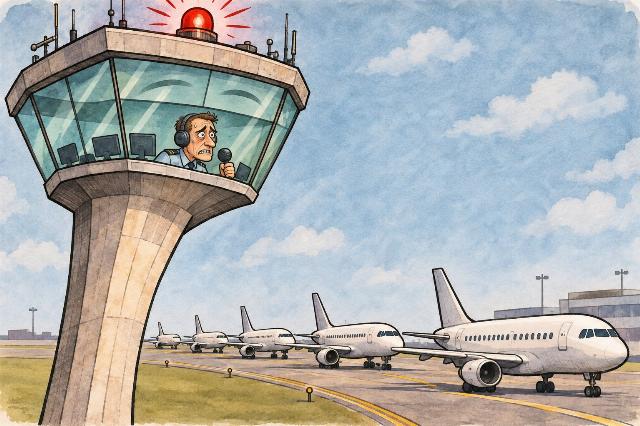
Last week’s ground stop was a controlled response, but what if the outage lasted days? Airports would clog with stranded passengers, crews would be stranded out of position, and the ripple effects could take weeks to resolve. The FAA’s backup systems, as it turns out, weren’t truly independent—a flaw that cyber adversaries could exploit.
Time to Fortify Critical Systems
The solution isn’t just better technology—it’s better preparation. Aviation needs redundant, isolated backup systems, rigorous cyber defenses, and coordinated drills to handle extended outages. Airlines, airports, and regulators must treat digital infrastructure as a security priority, not an afterthought.
So far, America has been lucky. The FAA outage was a technical hiccup, not an attack. But luck isn’t a strategy. As one analyst put it: ‘We should prepare now—not after the next outage, and not after the next attack.’
Source: www.americanthinker.com — https://www.americanthinker.com/blog/2026/11/the-faa-ground-stop-proved-how-easily-america-s-airspace-can-be-paralyzed/
Background and context
The latest developments around FAA Ground Stop Exposes Fragility of U.S. Air Traffic Systems—Is America Ready for a Cyberattack? come amid a broader debate over opinion, institutional accountability, and the policy choices that shape everyday life. Understanding the immediate facts is only the first step; the wider impact depends on how officials, institutions, and the public respond in the days and weeks ahead.
FedFront’s coverage focuses on verifiable details, identifiable sources, and the practical consequences of political decisions. Readers should review official statements, primary documents, and court or agency records before drawing final conclusions about any disputed claims.
Why it matters
Stories like this can influence legislation, regulatory enforcement, public trust, and the balance of power between government institutions. Even when the immediate headline fades, the underlying policy, legal, or political questions often continue to shape future decisions.
What to watch next
- Official responses, statements, or policy changes
- Legislative, regulatory, or court action
- Follow-up reporting and independent verification
- Public reaction and broader political fallout
FedFront will continue monitoring this story and update coverage as new information becomes available.
Source: www.americanthinker.com
Related coverage
- Sen. Slotkin’s Warning to Trump Staffers Sparks Debate Over Political Retaliation
- American Thinker Column Claims Immigration Without Assimilation Is a ‘Death Knell for the West’
- USAF Major Faces Court-Martial After CNN Interview on Capitol Steps Protest
- England’s Mosque Count Rose 34,900% Since 1950. Is That ‘Conquest’?