
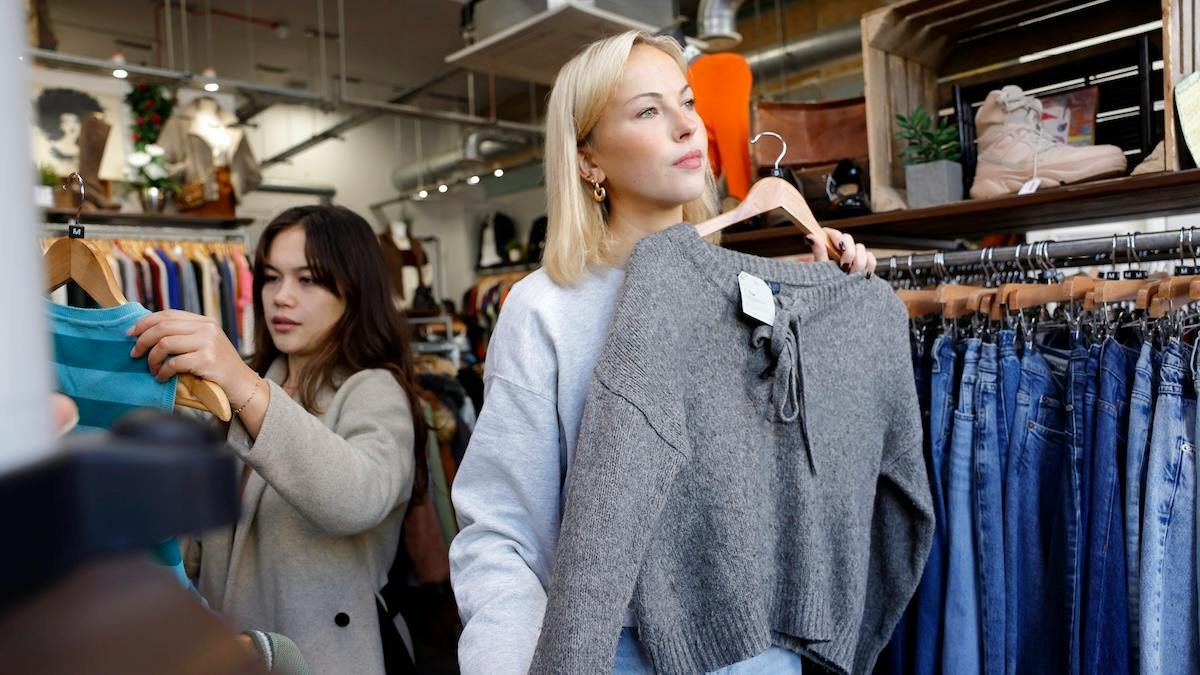
Secondhand shopping has shed whatever stigma it once carried. According to a Daily Wire lifestyle piece, Saturdays at Goodwill are no longer a niche pastime but a full-blown Gen Z hobby — driven by a mix of fast-fashion fatigue and a genuine appetite for a bargain.
The catch, as any would-be thrifter quickly learns, is time. Combing through packed racks can eat up an afternoon with nothing to show for it. The Daily Wire’s self-described expert thrifter offers five practical tricks to make the hunt more efficient — and more rewarding.
Start with the fabric, not the item
Rather than pulling every piece off the rack for inspection, the first tip is to scan for materials that look expensive or well-made. When something catches the eye, the next step is the label. The author specifically watches for garments made from 100% wool, linen, cotton, or silk — fibers that tend to signal quality and longevity.
Well-made vintage pieces get extra credit for a simple reason: they have already proven they can hold up over years of wear. That track record, the piece argues, is a better selling point than nostalgia alone.

Do your homework before you go
Department stores hand shoppers trends on a silver platter. Thrift stores demand more mental effort. According to the Daily Wire, the fix is preparation: before facing the racks, take time to figure out what you actually want to wear.
Pinterest, Instagram, and Google searches can supply inspiration and help build a mental checklist for the season. The author’s own boards, for example, are currently full of oversized sweaters, button-ups, suede jackets, and trench coats — giving her a specific list of items to hunt down instead of examining everything in the store. Keeping an eye out for certain brands can further speed things up. The piece names Levi’s, Ralph Lauren, Calvin Klein, and Tommy Hilfiger as 1990s labels worth watching for.
But there is a warning attached: don’t let “Pinterest eyes” become “thrift blindness.” A piece can look promising on the rack and feel dated the moment it gets home. The suggested test is blunt — ask whether you actually like it and will actually wear it, or whether you simply like the price.
The flip side of thrift blindness is thrift regret. If something is a genuine fit, the odds of it still being there on a return trip are slim.

Ignore the number on the tag
Sizing in the secondhand world rarely behaves the way shoppers expect. According to the Daily Wire, the label number shouldn’t be treated as gospel. When a fitting room is available, use it. The goal, the author writes, is clothing you’ll wear — not a closet full of items you won’t.
The unassuming sections often deliver
Some of the best finds, in the author’s experience, come from the men’s section. The women’s racks can require more digging to get past fast fashion and dated cuts. The men’s side, by contrast, frequently yields timeless sweaters, button-ups, and jackets — precisely the categories on her current wish list. The piece acknowledges the obvious downside for men: they now share limited rack space with female shoppers hunting the same staples.
The kids’ section is another overlooked source. Because children outgrow clothing so quickly, those racks are full of basics that appear barely worn and don’t feel tied to a particular trend. For parents, the math is straightforward — buying everything new for a child who will soon outgrow it feels wasteful.
Shoes are the exception. The author admits to being caught in public more than once in vintage boots that were, quite literally, falling apart. That section now gets skipped, or at least a very quick pass.

Expect it to take time — and consider a hybrid approach
A single trip to a local Goodwill rarely produces a full wardrobe overhaul. Sometimes it happens, according to the Daily Wire, but not often. Building a collection of secondhand finds is a gradual process, and empty-handed visits are part of it. The author and her husband have left plenty of times with nothing — but one strong haul can offset a long string of misses.
For shoppers hunting specific items without the patience for repeated trips, the piece recommends Facebook Marketplace. Landing the right sweater on a thrift-store rack might take weeks or months; a targeted online search can shorten that timeline considerably. It isn’t as predictable as ordering new from a department store, but it can serve as a middle ground between buying retail and waiting indefinitely for the perfect used find.
The broader pitch is simple. High-quality clothing at affordable prices is hard to come by, and the brands known for quality tend to be expensive at full retail — often limiting shoppers to a single dress or jacket rather than an entire wardrobe. Thrift stores fill that gap.
And this fall’s trends, the author notes, look a lot like what tends to turn up on Goodwill racks. She frames the dynamic as Gen Z effectively hacking the system: a thrifting habit that has helped shape trends at prices more people can actually afford. Fall 2026, in her view, offers a solid excuse to shop secondhand.
The piece was published as part of Upstream, The Daily Wire’s culture and lifestyle vertical.
Source: www.dailywire.com — https://www.dailywire.com/news/five-secrets-to-scoring-expensive-clothes-for-thrift-store-prices