
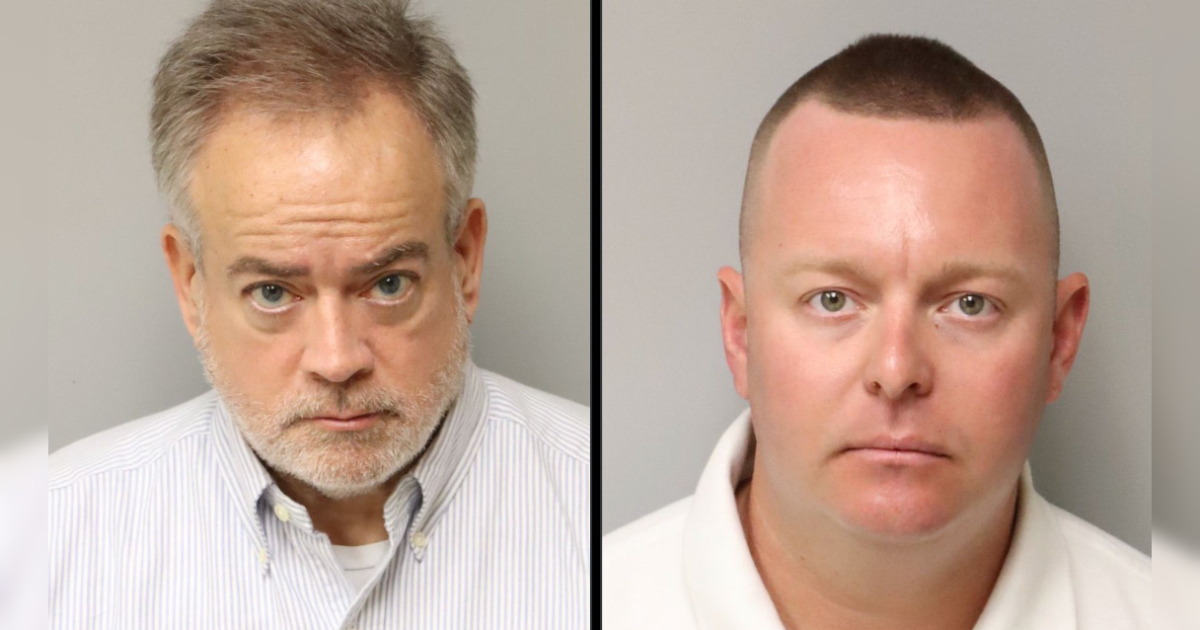
Two Florida sheriff’s deputies have resigned and face criminal charges after investigators said they improperly accessed sensitive law enforcement databases — including an automated license plate reader system tied to Flock Safety cameras — to gather information on women they were interested in, according to reporting by The Gateway Pundit.
Pinellas County Sheriff Bob Gualtieri announced the arrests Wednesday, describing two unrelated cases: one involving a former deputy’s interest in a 17-year-old girl, and another involving a deputy’s repeated searches of a 35-year-old woman’s information across multiple databases.
381 Searches on a Woman He Once Arrested
The more extensive case involves Deputy Carl Gwynn, 57, who allegedly queried a 35-year-old woman’s information 381 times. According to Gualtieri, Gwynn had arrested the woman years earlier and wanted a relationship with her.
Of those 381 queries, 300 were run through the sheriff’s office automated license plate reader system, commonly associated with Flock Safety cameras. Gwynn has since resigned and was arrested on four counts of unlawfully accessing secure systems. His bond was set at $25,000.
Second Case Involved a Teenage Complainant
The second case centers on former Deputy Travis Stanton, 33, who resigned on Sept. 25 after the sheriff’s office began investigating his conduct involving a 17-year-old girl who had filed a complaint with the agency.
Gualtieri said Stanton used several databases to gather information about the girl and her vehicle, including running her license plate through Florida’s vehicle registration system using a computer in his patrol car. Stanton was reportedly romantically interested in the girl.
Stanton was charged with unlawfully accessing secure systems, and his bond was set at $10,000.
A Pattern of ALPR Misuse
The Pinellas County cases are the latest in a string of incidents involving alleged misuse of Flock Safety camera systems, which have been adopted by law enforcement agencies across the country for automated license plate recognition.
In August, The Gateway Pundit reported that a South Carolina police officer was fired after allegedly using a Flock camera system to spy on her ex-boyfriend. In that case, the officer was accused of abusing the system 166 times.
The recurring nature of these cases has raised questions about oversight and access controls for the rapidly expanding network of ALPR cameras, which capture and store vehicle location data that can be queried by officers with system credentials. Departments typically have policies restricting queries to legitimate law enforcement purposes, but the Pinellas cases suggest those safeguards failed to prevent repeated personal use.
Gualtieri’s announcement did not detail what internal safeguards, if any, flagged the deputies’ activity, or whether the sheriff’s office plans to change its policies in response. The sheriff’s office did not immediately respond to additional questions about the investigations.
Both former deputies now face criminal proceedings in Pinellas County. The charges — unlawfully accessing secure systems — carry potential penalties that could include jail time, though the specific sentences will depend on how the cases proceed in court.
The arrests also raise questions about how often similar misuse goes undetected. Because ALPR systems log queries, departments have the technical ability to audit who searches for what — but whether those audits happen routinely varies widely by agency. In Gwynn’s case, the volume of searches — 381 total — suggests the activity may have continued for some time before it was discovered.
For the 17-year-old girl who filed the complaint against Stanton, the case represents a different kind of harm: a minor whose personal information was allegedly accessed by an officer she had reason to believe might use it against her. The sheriff’s office has not said whether the girl or her family have received additional protections or notifications as the case moves forward.
As ALPR networks continue to expand — Flock Safety says its cameras are used by thousands of agencies nationwide — the Pinellas cases are likely to fuel ongoing debates about how much access individual officers should have to pooled surveillance data, and what mechanisms exist to catch those who abuse it.
In the South Carolina case reported earlier this year, the officer was fired after an internal investigation, but no criminal charges were announced at the time. The Pinellas cases are notable because they resulted in both resignations and criminal charges, signaling that at least some agencies are willing to pursue prosecution rather than handling such matters internally.
Both former deputies are presumed innocent until proven guilty. Court dates for their cases have not been announced.
Source: www.thegatewaypundit.com — https://www.thegatewaypundit.com/2026/09/florida-deputy-charged-after-using-flock-license-plate/