
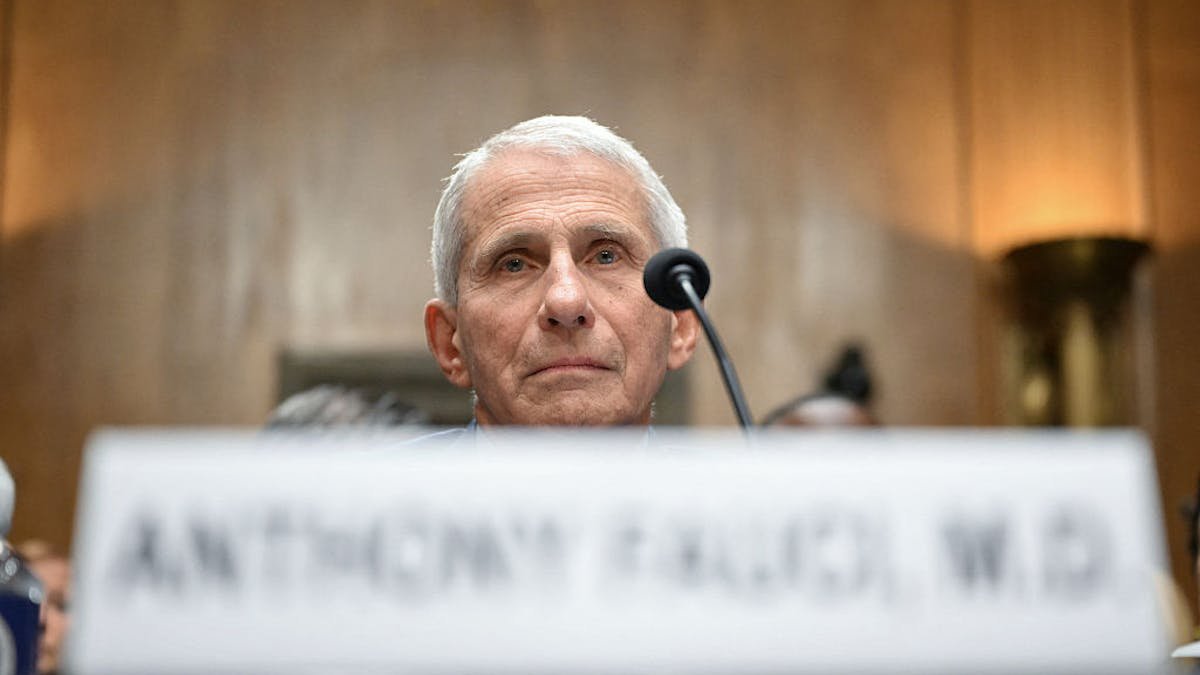
Dr. Anthony Fauci faced renewed scrutiny this week during a congressional hearing led by Ohio Senator Bernie Moreno, reigniting debate over the former White House chief medical advisor’s pandemic response and research funding decisions that critics say created lasting national security risks.
Tricia McLaughlin, who served as Assistant Secretary for Public Affairs at the Department of Homeland Security, is among those arguing that Fauci’s handling of coronavirus research funding and his role in shaping public discourse during the pandemic have left America vulnerable to future biological threats.
Research Funding Under Fire
At the center of the controversy is Fauci’s oversight of National Institutes of Health funding that supported coronavirus research at the Wuhan Institute of Virology through EcoHealth Alliance grants. According to McLaughlin’s analysis, this research was conducted in facilities that did not meet American biosafety standards, yet Fauci repeatedly denied the work constituted gain-of-function research — experiments that enhance a pathogen’s transmissibility or lethality.
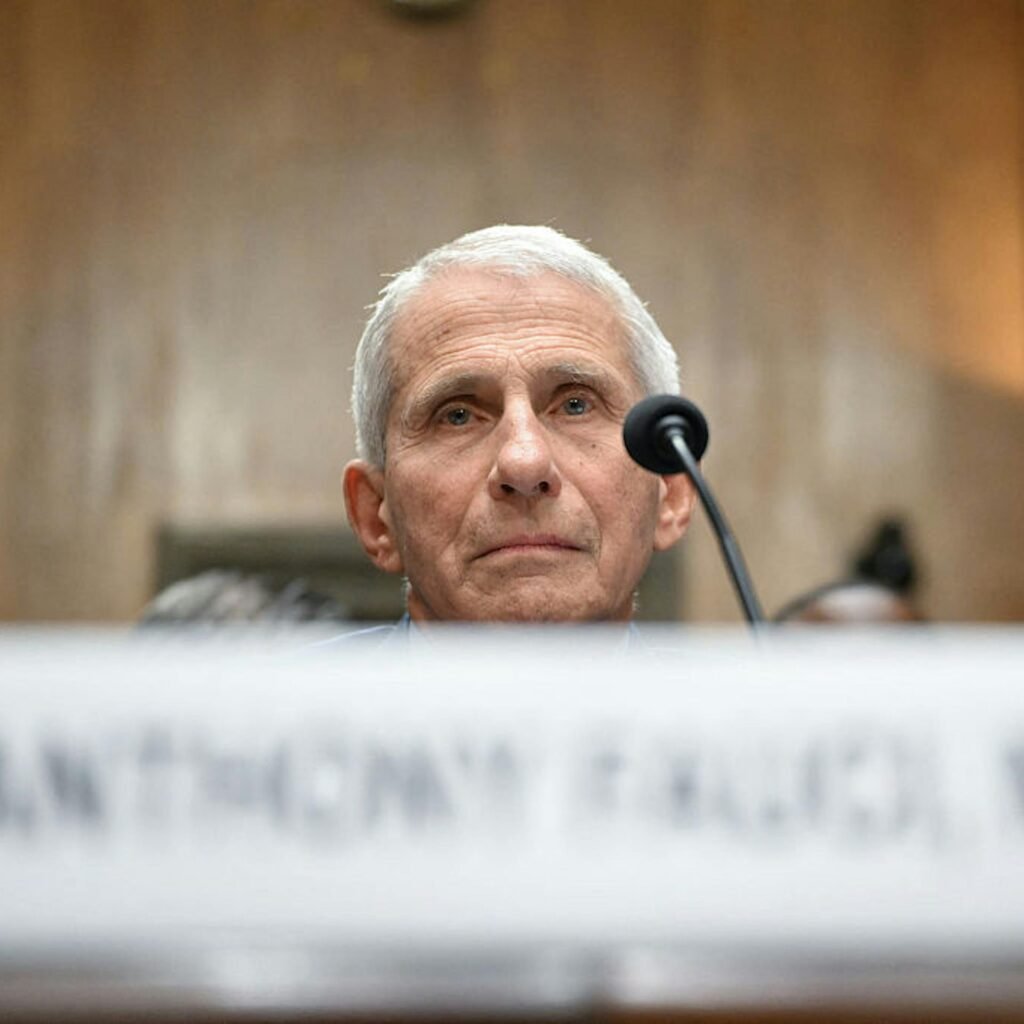
The House Select Subcommittee has reportedly characterized NIH procedures for this category of research as deficient and a direct threat to both public health and national security. Critics argue that outsourcing high-risk pathogen research to a geopolitical rival with reported connections to military programs created multiple vulnerabilities beyond the risk of accidental release.
“Knowledge, techniques, and materials could be retained, replicated, or redirected by a communist government that views the United States as its chief rival,” McLaughlin wrote, suggesting that American safeguards can be exploited by hostile actors.
Suppression of Lab-Leak Theory
The handling of questions about COVID-19’s origins represents another dimension of the security concerns. Early in the pandemic, speculation about a laboratory origin was widely dismissed as conspiracy theory, with Fauci and allied institutions playing a key role in shaping that narrative.

This approach, according to critics, slowed serious investigation into Chinese facilities, reduced pressure for transparency from Beijing, and potentially stifled intelligence assessments. The concern is that in future biological incidents — whether accidental or intentional — adversaries will employ the same strategy: protect a preferred narrative while scapegoating questioners to evade accountability.
Pandemic Response and Its Aftermath
The pandemic response itself, which included shifting guidance, lockdowns, and mandates, produced what McLaughlin describes as staggering human costs. She cites increased suicides and overdoses during forced isolation, massive learning loss among children from prolonged school closures, and the destruction of small businesses.
Individuals who questioned official positions on topics including herd immunity, the virus’s origins, mask efficacy, alternative treatments, or vaccine injuries were, according to this account, systematically silenced, deplatformed, or terminated from employment. Some mainstream media outlets have since called for “pandemic amnesty,” a suggestion that has met resistance from those who believe accountability is necessary.

Trust Deficit as Security Vulnerability
Perhaps the most enduring national security concern, in McLaughlin’s view, is the erosion of public trust in health authorities and scientific institutions. A population that has lost faith in these institutions will be inherently slower to respond effectively to future biological or chemical threats.
This trust deficit also creates openings for foreign disinformation campaigns designed to exploit existing skepticism and create additional chaos during a crisis. America’s adversaries observed how the United States inflicted what McLaughlin characterizes as trillions in economic damage and generational setbacks in education through its pandemic policies.
Looking Forward
The core argument presented by critics is that without a thorough accounting of pandemic-era decisions and consequences, hostile actors may attempt to replicate or weaponize similar dynamics in future crises. The concern extends beyond any single incident or decision to the broader question of institutional safeguards and accountability mechanisms.
Senator Moreno’s questioning of Fauci this week reflects what supporters describe as continuing frustration among millions of Americans about the pandemic response. The tension between those seeking accountability and those advocating for moving forward without extensive retrospection appears likely to continue shaping political discourse.
The debate encompasses fundamental questions about research oversight, crisis communication, the balance between public health authority and civil liberties, and how democratic institutions should function during emergencies. As McLaughlin frames it, the failure to fully examine these issues could leave America vulnerable to adversaries who observed the pandemic response closely and may seek to exploit revealed weaknesses.
Source: www.dailywire.com — https://www.dailywire.com/news/faucis-lies-and-the-lasting-national-security-damage