
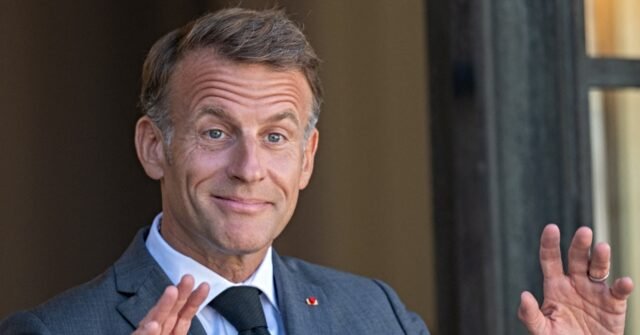
France has issued a rare apology to the United States, ending a weeks-long diplomatic standoff that had blocked the appointment of President Emmanuel Macron’s chosen ambassador to Washington. The dispute, triggered by a French social media post criticizing U.S. human rights policy, now appears resolved after Paris expressed regret and the State Department signaled its satisfaction.
Aurélien Lechevallier, currently chief of staff to French Foreign Minister Jean-Noël Barrot, is now clear to assume his post as France’s new envoy to the U.S., replacing Laurent Bili. Lechevallier was personally selected by Macron for the role, but his confirmation had been stalled since late July as the State Department awaited a French backdown, according to Breitbart News.
How the Dispute Began
The rift opened on July 24 when the United States joined 10 other countries in voting against extending the term of Volker Turk as U.N. human rights chief. Turk, who has repeatedly questioned U.S. policies under President Donald Trump, faced strong opposition from Washington. Following the vote, the French mission to the U.N. in Geneva posted a pointed message on X: “The U.S. used to be a beacon of human rights. Not anymore.”
The comment drew immediate backlash. Days later, the U.S. representative walked out of a U.N. Security Council meeting when France’s ambassador took the floor, in protest of the online remark. The State Department then held up Lechevallier’s approval as it waited for France to soften its stance, effectively freezing the ambassador nomination.
Paris Backs Down
In a statement this week, France’s mission to the U.N. in Geneva sought to make amends. “France and the United States recently adopted divergent positions during a vote at the United Nations General Assembly. This divergence concerned a single vote and did not relate to the defense of human rights,” the statement read. It added that “differences in public opinion on a vote do not impede close dialogue with the United States and do not call into question our historic alliance, nor our ability to work together to promote peace, stability and prosperity, including within multilateral forums.”
The U.S. State Department responded positively to the apology. “We take note of France’s statement and appreciate it; we look forward to collaborating with them to promote our common values and interests,” a State Department official told AFP on condition of anonymity. The official’s comment, reported by AFP, underscored Washington’s willingness to move past the incident.
Ambassador Clear to Take Post
With the apology issued, Lechevallier is now free to take up his duties as France’s ambassador to the United States. His appointment had been in limbo since the dispute began, leaving a key diplomatic post unfilled during a period of tension between the two allies. Lechevallier, a seasoned diplomat who currently serves as chief of staff to Foreign Minister Barrot, will replace Laurent Bili, who has held the position since 2023.
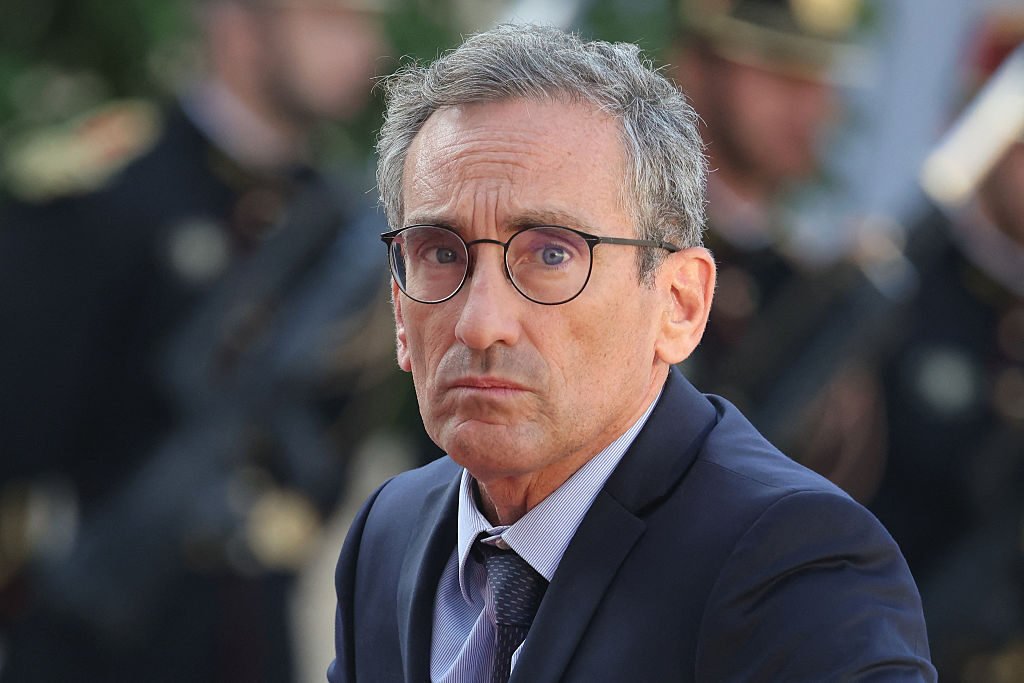
The episode highlights the delicate balancing act France faces as it navigates its relationship with the Trump administration. While Paris often diverges from Washington on multilateral issues, the swift apology suggests a desire to avoid a prolonged rift. The U.S. had made clear that the critical post would not go unchallenged, and France’s decision to back down resolved the impasse.
Observers noted that the apology was unusually direct for French diplomacy, which typically prefers to frame disagreements as mere differences of opinion. The statement’s emphasis on the “historic alliance” and the “single vote” nature of the divergence appeared designed to reassure Washington without fully retracting the substance of the original criticism.
The State Department’s positive response indicates that the matter is now closed, and both sides are looking ahead. Lechevallier’s confirmation is expected to proceed without further delay, restoring a key channel of communication between Paris and Washington.
The incident also serves as a reminder of the heightened sensitivity in U.S.-France relations under the current administration. The U.S. vote against Turk’s extension, joined by 10 other countries, reflected Washington’s broader skepticism of U.N. human rights mechanisms, which it views as biased against Israel and overly critical of the U.S. France’s initial criticism, while mild by diplomatic standards, touched a nerve.
With the apology accepted, the focus now shifts to Lechevallier’s arrival in Washington. His background as a senior aide to Barrot suggests he will play a key role in managing the bilateral relationship, particularly on issues like trade, security, and multilateral cooperation. For now, the diplomatic row appears to have been defused, allowing both countries to return to business as usual.
A Rare Apology
France’s decision to apologize is notable, as public apologies in diplomacy are uncommon, especially between longstanding allies. The move underscores the importance Paris places on maintaining a functional relationship with Washington, even when policy differences arise. The State Department’s quick acceptance of the apology further signals a mutual desire to move on.
Lechevallier’s appointment had been in doubt for nearly two months, but with the apology issued, the path is now clear. The new ambassador is expected to present his credentials in the coming weeks, officially taking up his post and beginning his tenure as France’s top diplomat in the United States.
Source: www.breitbart.com — https://www.breitbart.com/europe/2026/09/16/france-surrenders-issues-rare-apology-for-mocking-u-s-foreign-policy/