
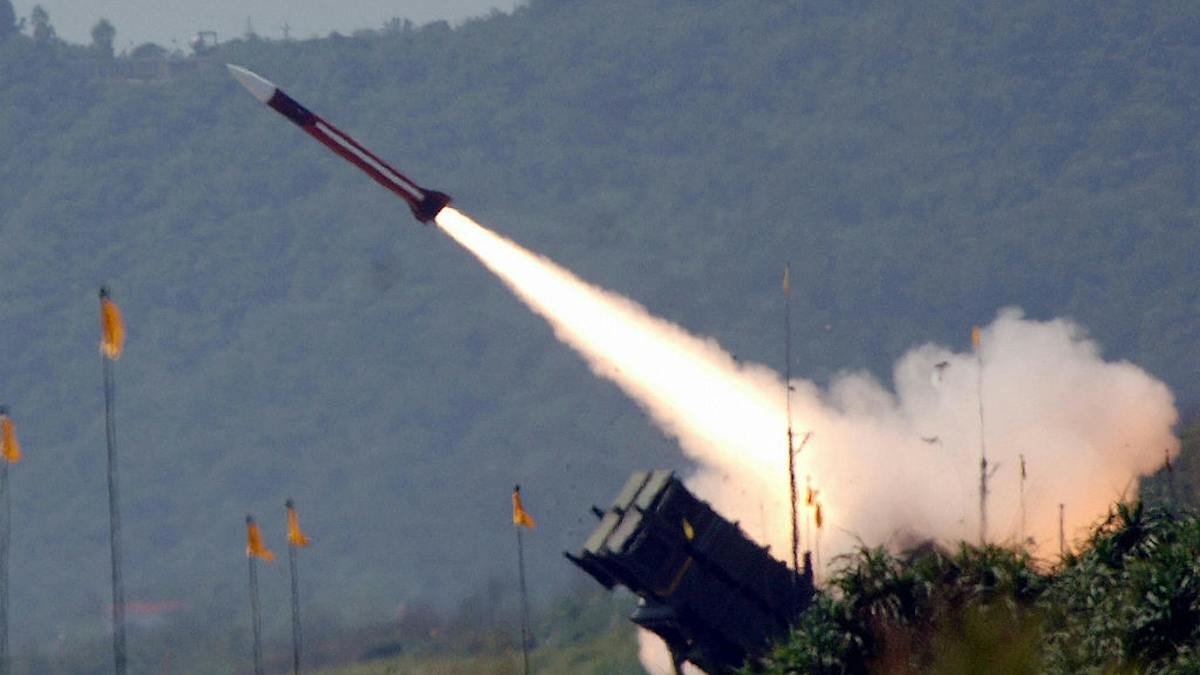
General Motors has begun delivering components for Patriot missiles to Lockheed Martin, marking the first tangible output from a partnership aimed at rebuilding the Pentagon’s depleted munitions stockpile, according to a Lockheed Martin announcement reported by The Daily Wire.
The defense contractor said Thursday that GM had completed its initial batch of parts, a delivery that came just three weeks after the two companies signed their agreement on August 6 — a timeline Lockheed described as dramatically faster than the months or years such components traditionally require.
“We’re proud to support production of this country’s critical defense capabilities,” GM Defense President Stephen duMont said in a statement. “We look forward to putting these strengths to work in support of our nation’s security and the people who protect it.”
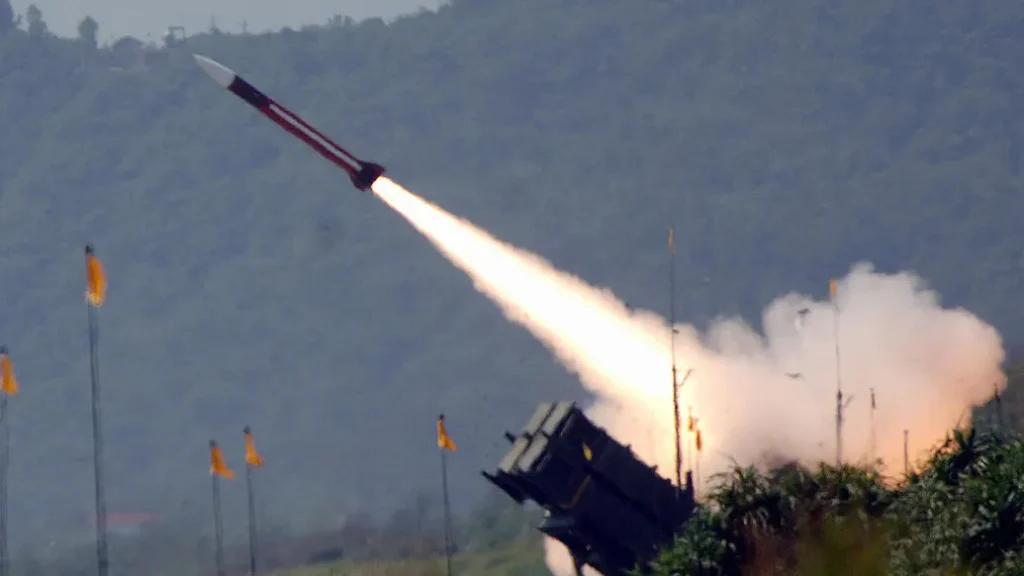
The deal tasks the historic automaker with manufacturing parts for Patriot interceptors, which the Pentagon has identified as a critical need as the war with Iran grinds on months longer than initial projections suggested. Lockheed Martin also said it plans to invest more than $8 billion to accelerate munitions production.
A Widening Shortfall
The partnership lands amid mounting evidence that U.S. weapons stockpiles were strained well before the current conflict. A recent inspector general report found the Pentagon working to ease shortages by streamlining “procurement processes and production lead times” while stockpiling critical materials, components, and selected munitions to respond rapidly to a contingency.
President Donald Trump initially dismissed reports that missile supplies were running low in the war’s early days. In a March 2 post, he insisted the U.S. maintained a vast arsenal.

“We have a virtually unlimited supply of these weapons. Wars can be fought ‘forever,’ and very successfully, using just these supplies (which are better than other countries finest arms!),” Trump wrote. “At the highest end, we have a good supply, but are not where we want to be. Much additional high grade weaponry is stored for us in outlying countries.”
Those remarks followed reporting by The Wall Street Journal that Joint Chiefs of Staff Chairman Gen. Dan Caine had raised concerns about interceptor supplies before the attack was launched, questioning whether the United States would have enough munitions to protect its outposts.
The shortfalls were not new. According to the reporting, Pentagon munitions supplies were already stretched thin before Trump launched the Iran war in February, a situation compounded by American support for Ukraine during its ongoing war with Russia.

An Unlikely Defense Supplier
For GM, the partnership represents a notable reentry into defense manufacturing at scale. The Detroit automaker’s GM Defense subsidiary has increasingly sought Pentagon work in recent years, but supplying components for one of the military’s most sought-after interceptors is a different order of magnitude.
The speed of the first delivery is likely to be as significant as the parts themselves. Weapons production timelines are typically measured in years, not weeks, and the Pentagon has faced persistent criticism over the slow pace of replenishing its stocks. Lockheed’s framing of the three-week turnaround suggests both companies are positioning the arrangement as a template for how quickly commercial manufacturers can be folded into the defense industrial base.
Whether that model can be sustained — and whether it can meaningfully close the gap between current inventories and what military planners say they need — remains an open question. The inspector general’s findings indicate the Pentagon is still in the mitigation phase rather than the recovery phase.
Lockheed Martin did not specify how many components GM delivered, what specific parts were involved, or what the deal is worth. GM Defense also did not disclose production targets or the length of the agreement.
The announcement comes as the Department of War continues to confront strategic munitions shortfalls, with the Iran conflict now stretching well past the timeline officials initially outlined. The inspector general report described ongoing efforts to stockpile critical materials and components, acknowledging that the department is working to respond more rapidly to contingencies.
For now, the GM-Lockheed arrangement offers one concrete data point in an otherwise murky picture of America’s defense production capacity: a first shipment, delivered fast, with billions more in planned investment behind it.
Source: www.dailywire.com — https://www.dailywire.com/news/iconic-american-company-steps-up-to-help-revive-americas-defense-sector