
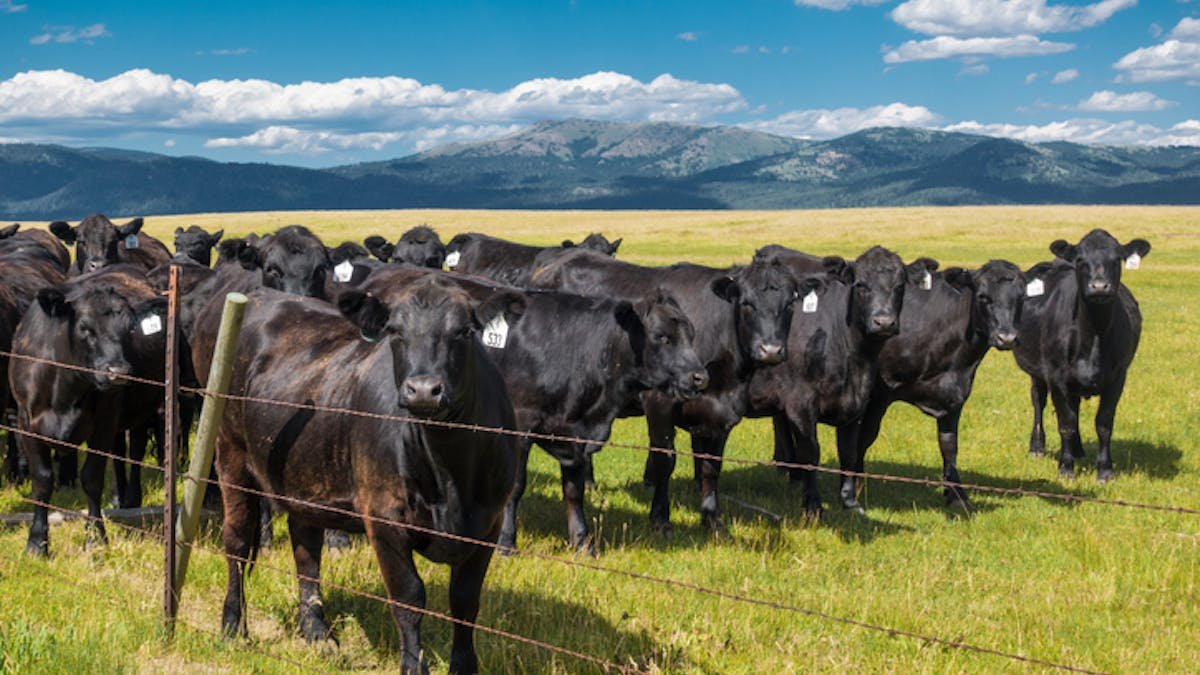
For most of the two years since Butterworth’s opened in Washington, D.C., chef and owner Bart Hutchins refused to put a hamburger on the menu. Not out of pretension, he insists—though he admits some of that plays a role—but because finding quality ground beef in America has become nearly impossible. The burger he finally serves, when he can get it, comes from a single Wisconsin farm. The rest of the country, he argues, is eating something else entirely: a blend of scraps from around the globe that bears little resemblance to the all-American staple.
In an essay for The Daily Wire, Hutchins lays out a case that Washington’s policy choices—not consumer taste—have wrecked the hamburger. The story begins in 2002, when Congress passed a law requiring country-of-origin labels on beef and pork. For over a decade, shoppers could know where their meat was born, raised, and processed. Then, in 2015, after Canada and Mexico threatened retaliatory tariffs through a World Trade Organization ruling, Congress repealed the labeling requirement. Beef and pork lost their labels. The repeal, Hutchins writes, ‘opened the door for mixed ground beef,’ allowing processors to blend cheap trimmings from anywhere into the package labeled simply as hamburger.
The result, he says, is a ‘scrap-room process’ where American ranchers sell cattle into a system that cuts their beef with whatever is cheapest that week—trim from Mexico, Argentina, or ‘God knows where.’ The economic incentive for raising high-quality cattle deteriorated, and the American herd began to shrink. A percentage point here, a percentage point there, and for years almost no one noticed. Then, in 2025, the problem became impossible to ignore.
A Herd at a 74-Year Low
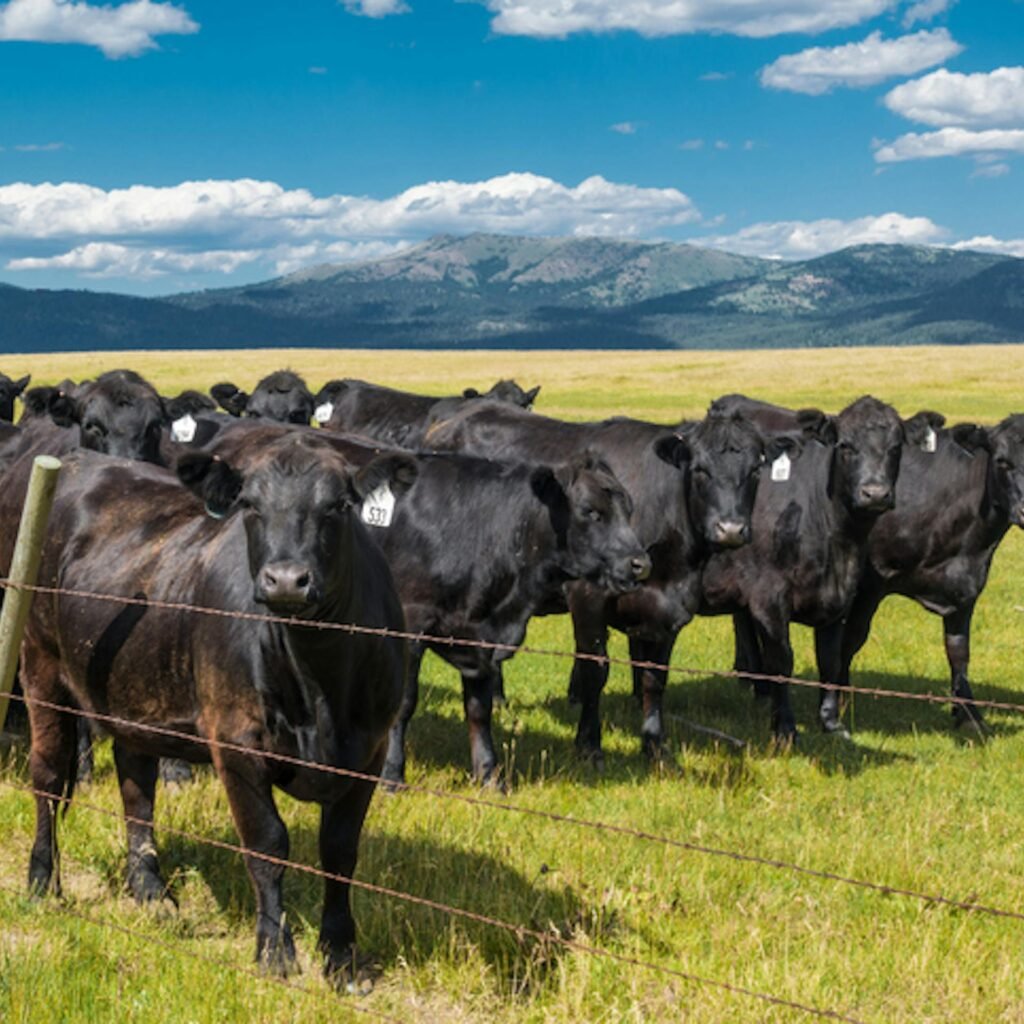
In January, the USDA’s annual Cattle Inventory Report put the U.S. herd at 86.2 million head—the smallest since 1951. The number, Hutchins reports, ‘made even the economists tighten their sphincters.’ The slow decline ranchers had been living with on the ground finally reached American wallets. The shrinking supply, compounded by trade disruptions, pushed prices upward.
Just months earlier, in July 2025, the USDA shut livestock ports to Mexico after a flesh-eating parasite called the New World Screwworm began spreading north through cattle smuggled across a border that couldn’t be fully policed. The parasite, which can infest living tissue and kill animals, forced a temporary halt to legal cattle imports from Mexico, adding another shock to an already strained supply chain.
Trump Expands Import Breaks
This week, President Trump added to the list of actions Hutchins sees as undermining domestic ranchers. The administration expanded a trade break for imported beef and other products, a move designed to lower ground beef prices for American consumers. Hutchins understands the political logic: in an election year where every politician is trying to work ‘affordability’ into their stump speech, cheaper beef is a popular promise. But he argues the policy is a ‘bandage on a wound that needs a tourniquet.’

‘It will not fix the problem,’ Hutchins warns. ‘It is one more step toward the end of American ranching as a way of life.’ The expansion, he contends, will finish off the American rancher. Facing competition from cheaper imports, ranchers will ‘do the math, and tell his son to go work in computers instead.’
The irony, Hutchins notes, is that Trump’s base—voters from Minnesota to the Texas border—is frustrated precisely because cheaper economies abroad are hollowing out American industries. Expanding import breaks, he argues, runs directly against that sentiment.
The Burger That Started It All
Hutchins’s essay opens with a personal anecdote: a July 4th trip to Wyoming with friends, expecting a slow-roasted lamb with truffle sauce. Instead, his friend Peter Allen, a Wisconsin farmer, brought 40 pounds of ground beef—the ‘ground stuff.’ Hutchins rolled his eyes, but the beef changed his mind. The packages were a ‘jewel-like red,’ the grind coarser than grocery-store beef, the fat content holding together in the patty. ‘The bite was absurd,’ he writes, calling it the best thing he’s eaten all year.

That experience convinced him to occasionally put a burger on the Butterworth’s menu—whenever Peter can send his beef. Hutchins says he serves it ‘because it’s delicious, because it speaks to America’s greatness, and because I’m secretly terrified we’re barreling toward a future where I won’t be able to find beef like his anymore.’
His critique isn’t just about taste; it’s about national identity. The American hamburger, he argues, was once a symbol of a self-sufficient food system. Now, it’s become a ‘mixed-bag orgy’ of international scraps, and the country is left with a choice: keep supporting cheap imports until the domestic industry withers, or start paying attention to where beef actually comes from.
‘Americans didn’t vote for this,’ Hutchins concludes. ‘It happened the way most horrors do, one small, defensible decision at a time.’
Source: www.dailywire.com — https://www.dailywire.com/news/how-washington-ruined-the-american-hamburger